Sandiip Sikcand on Rohit Roy's 'dustbin' remark: 'TV storytelling is declining'
Synopsis
Veteran producer Sandiip Sikcand has broken ranks from the outright critics of Rohit Roy’s ‘dustbin medium’ comment, offering a nuanced take: wrong word, right worry. His call for decision-makers to arrest the decline in Hindi TV storytelling — and to wean the industry off regional remakes — adds a senior industry voice to a debate that has already drawn responses from Devoleena Bhattacharjee, Naman Shaw, and Mukesh Chhabra.
Key Takeaways
Producer Sandiip Sikcand said he disagrees with Rohit Roy’s ‘dustbin’ description of television but agrees that Hindi TV storytelling is declining .
Sikcand called on decision-makers in the industry to act before the medium becomes too difficult to revive.
He warned against over-reliance on regional show remakes , urging a return to original storytelling .
Rohit Roy had described television as a ‘dustbin medium’ in a recent interview, comparing its content to a quickly-discarded newspaper.
Actors Devoleena Bhattacharjee , Naman Shaw , and casting director Mukesh Chhabra had previously voiced disagreement with Roy’s remarks.
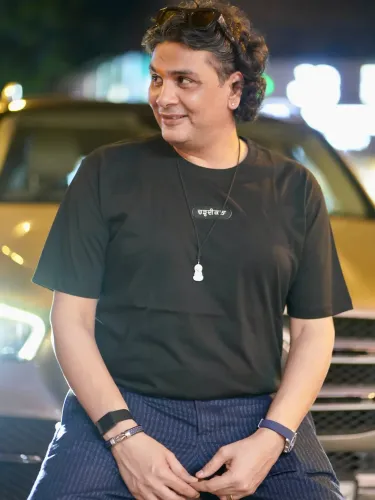
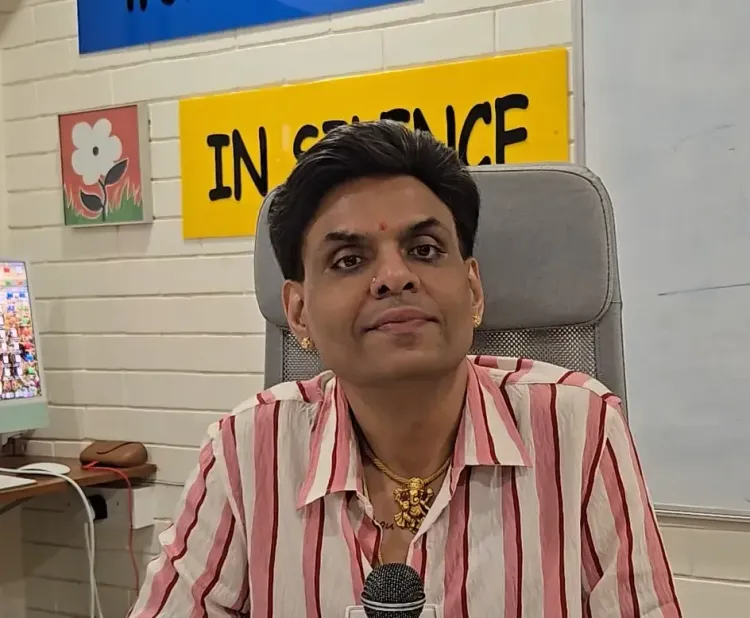
Television producer Sandiip Sikcand has weighed in on the controversy sparked by actor Rohit Roy's description of television as a “dustbin medium,” saying he disagrees with the choice of words but finds merit in the underlying concern about the state of Hindi television content.
What Sikcand Said
“I definitely don’t agree with the words he used. But I feel what he was trying to say was that the kind of shows being made today are not up to the mark, and with that sentiment, I completely agree,” Sikcand said. He added, “If he has called the medium a ‘dustbin,’ then we have to ask ourselves why the medium has reached such a low point.”
The producer placed responsibility squarely on decision-makers within the industry. “The kind of shows that are being made, the programmes that are on air and the characters being created are all products of the system we have built,” he said. “The people sitting in decision-making positions have to realise that television storytelling is declining. Before it falls so far that it becomes difficult to revive, we have to do something about storytelling.”
The Case Against Regional Remakes
Sikcand also flagged the industry’s growing dependence on regional content remakes as an unsustainable crutch. “How many regional shows can you remake? That too will eventually come to an end. We have to return to original storytelling. That is the backbone of any industry,” he said.
The remarks reflect a broader frustration among television veterans about the creative direction of the medium, which has increasingly leaned on reality formats, finite adaptations of regional hits, and long-running daily soaps with repetitive story arcs.
What Rohit Roy Actually Said
Actor Rohit Roy ignited the debate during a recent interview when he was asked whether television had grown more professional at the cost of its creative edge. Roy acknowledged that he sometimes worried about appearing ungrateful before describing television as a “dustbin medium” and comparing its content to a newspaper that is read once and quickly discarded.
The comments drew swift reactions across the industry. Actors Devoleena Bhattacharjee and Naman Shaw, along with casting director Mukesh Chhabra, publicly disagreed with Roy’s characterisation, underscoring the sensitivity of the remark within the television fraternity.
A Wider Industry Debate
The episode has reignited a long-running conversation about the creative and commercial health of Indian television. Hindi general entertainment channels have faced mounting pressure from streaming platforms, which have pulled both talent and audiences away from traditional broadcast. Critics argue that ratings-driven programming decisions have hollowed out narrative ambition, while defenders of the medium point to its unmatched reach across smaller cities and rural India.
Whether Roy’s blunt framing or Sikcand’s more diplomatic diagnosis gains traction, the industry appears to have reached a point where even insiders are openly questioning its storytelling credentials.
Point of View
Because it comes without the outsider’s cover. The real structural problem — that Hindi GEC programming is shaped almost entirely by overnight ratings and advertiser mandates rather than narrative quality — goes unaddressed by both men. Calling for ‘original storytelling’ is easy; the industry needs to explain why the economics currently punish it.
NationPress
18 Sept 2026
Frequently Asked Questions
What did Rohit Roy say about television?
Rohit Roy described television as a ‘dustbin medium’ in a recent interview, comparing its content to a newspaper that is read once and quickly forgotten. He made the remarks when asked whether the industry had become more professional at the cost of its creative edge.
How did Sandiip Sikcand respond to Rohit Roy’s remark?
Sikcand said he strongly disagrees with the word ‘dustbin’ but agrees with the sentiment that Hindi television storytelling is in decline. He called on industry decision-makers to act before the medium becomes too difficult to revive.
Why does Sikcand want the industry to reduce its dependence on regional remakes?
Sikcand argued that remaking regional shows is not a sustainable content strategy because that pool of source material will eventually run dry. He said original storytelling is the backbone of any healthy media industry.
Who else has reacted to Rohit Roy’s 'dustbin' comment?
Actors Devoleena Bhattacharjee and Naman Shaw, as well as casting director Mukesh Chhabra, have publicly disagreed with Roy’s characterisation of television as a dustbin medium.
What is the broader context of this television debate?
Hindi general entertainment channels have been under pressure from streaming platforms, which have drawn away talent and audiences. Critics argue that ratings-driven programming has reduced narrative ambition, prompting senior figures like Sikcand to call for a creative reset.