Smriti Irani backs Salman Khan: 'Public life shouldn't mean losing dignity'
Synopsis
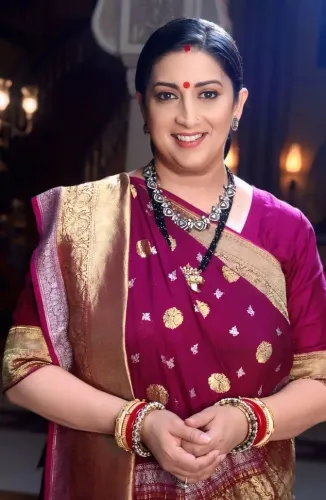
Smriti Irani — actress turned politician — stepped into the trolling row sparked by Salman Khan's on-air outburst, arguing that fame should not be a forfeit of dignity. Her collective post with Kyunki Saas Bhi Kabhi Bahu Thi castmates gives the debate a rare political-celebrity crossover dimension.
Key Takeaways
Smriti Irani posted a note on 21 September 2026 defending public figures' right to dignity against online trolling.
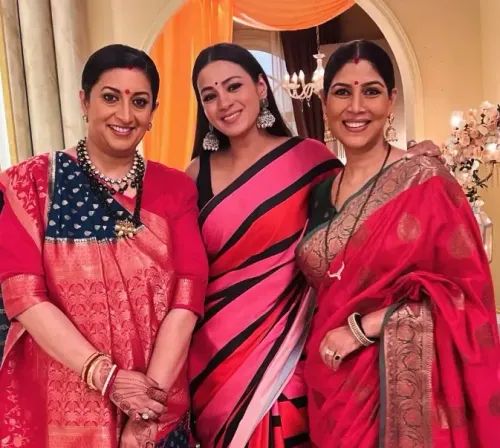
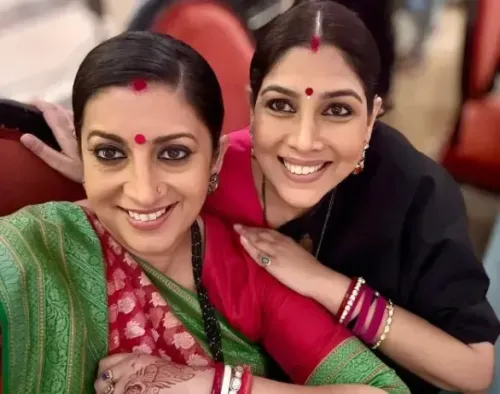
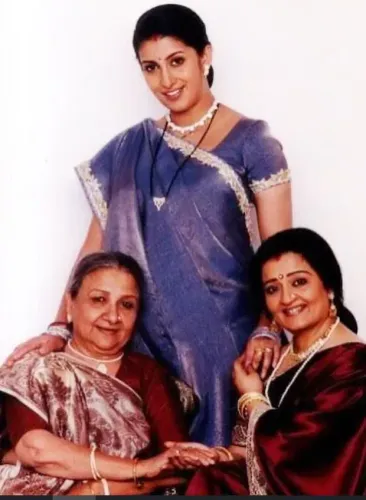
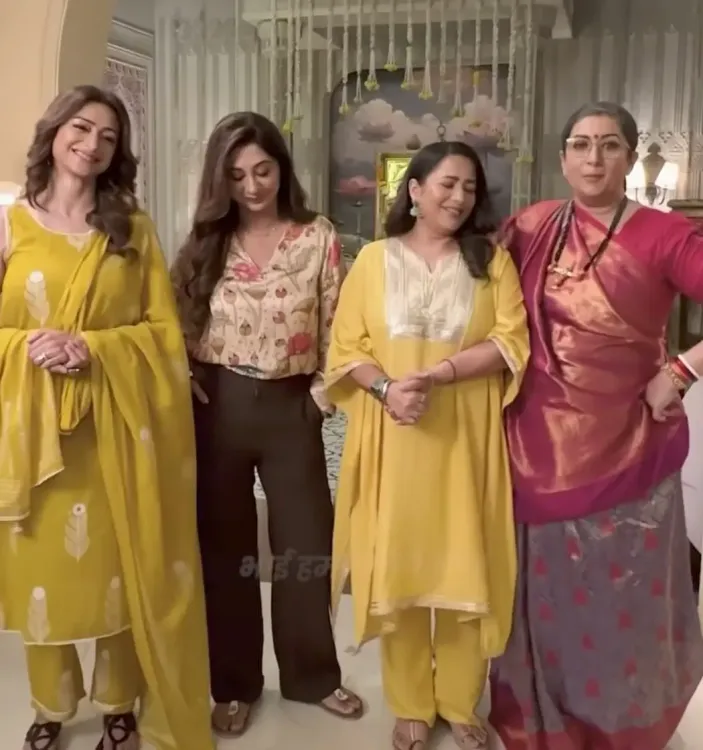
She posted alongside Kyunki Saas Bhi Kabhi Bahu Thi costars Gauri Pradhan , Ravee Gupta , and Ritu Chaudhary Seth .
The post was triggered by Salman Khan 's public confrontation of trolls on Bigg Boss Weekend Ka Vaar over body, look, and age shaming.
Irani wrote: 'Why should stepping into public life mean stepping away from the right to dignity?' She called for free speech to be exercised with responsibility, saying Mera handle, meri opinion cannot justify cruelty.
Actress and politician Smriti Irani has publicly pushed back against the growing culture of online trolling, arguing that entering public life should not strip anyone of their fundamental right to dignity. Her remarks, shared via a collective social media post on 21 September 2026, came in solidarity with Salman Khan and other celebrities targeted by body shaming and online abuse.
What Smriti Irani Said
Posting alongside fellow costars from the long-running television serial Kyunki Saas Bhi Kabhi Bahu Thi — including Gauri Pradhan, Ravee Gupta, and Ritu Chaudhary Seth — Irani framed digital freedom as a responsibility, not a blank cheque for cruelty.
In the post, she wrote: 'Social media has democratised the right to be heard. It has given a voice to millions who may otherwise never have had one. But somewhere along the way, some began to mistake that freedom for a licence to hurt, humiliate and dehumanise.'
She went on to directly challenge the 'put up or shut up' attitude often directed at public figures: 'Those in public life are often told that this simply comes with the territory. But should it? Why should stepping into public life mean stepping away from the right to dignity? Why should anyone be expected to quietly withstand humiliation simply because the person inflicting it is protected by the anonymity of a bot, hidden behind a faceless handle, or even emboldened enough to do it under their own name?'
Irani also called out the misuse of perceived free-speech entitlement: 'Mera handle, meri opinion cannot become a fig leaf for cruelty,' she wrote, urging followers to disagree and debate without dehumanising. She concluded: 'Freedom to speak is precious. So is the responsibility that comes with it. Disagree. Debate. Criticise. Question. Hold people in public life accountable. But surely, none of that requires us to forget that there is a human being on the other side of the screen.'
The Salman Khan Context
The post followed a recent episode of Bigg Boss Weekend Ka Vaar, during which Bollywood superstar Salman Khan publicly confronted online trolls who had targeted him and fellow celebrities with body shaming, look shaming, and age shaming. Khan's on-air outburst drew widespread attention and set off a broader conversation about the treatment of public figures in digital spaces.
Irani's intervention lends political weight to what had been largely an entertainment-industry debate. As a former Union minister and a veteran of both screen and Parliament, she occupies a rare intersection of celebrity and governance — making her support for Khan's position more than a peer solidarity gesture.
The Broader Trolling Debate
Online abuse of public figures has become an increasingly contentious issue in India, with mounting calls for stronger accountability mechanisms on social media platforms. Critics argue that existing legal remedies — defamation and IT Act provisions — remain difficult to enforce against anonymous or pseudonymous accounts, giving abusers practical impunity.
Irani's note did not call for specific legislation, but her phrasing — 'the anonymity of a bot, hidden behind a faceless handle' — implicitly flags the gap between platform policies and on-ground enforcement. Advocates for digital rights, however, caution that over-regulation risks chilling legitimate criticism of powerful public figures.
What Happens Next
The post has reignited debate around platform accountability and the boundaries of online expression in India. With prominent voices from entertainment, politics, and civil society increasingly aligning on the issue, pressure on social media companies to act on coordinated abuse campaigns is likely to intensify. Whether that translates into legislative or regulatory action remains to be seen.
Point of View
Including ones she served in, have been criticised for using IT Act provisions selectively against critics of the powerful. The real test of her conviction is whether she applies the same 'human behind the screen' logic to trolls targeting journalists, activists, or her political opponents.
NationPress
21 Sept 2026
Frequently Asked Questions
Why did Smriti Irani post in support of Salman Khan against trolls?
Smriti Irani posted in solidarity after Salman Khan publicly called out trolls during a Bigg Boss Weekend Ka Vaar episode for body shaming, look shaming, and age shaming him and other celebrities. She argued that entering public life should not mean surrendering one's right to dignity.
What did Smriti Irani write in her social media post about trolling?
Irani wrote that social media has given millions a voice but that some have mistaken that freedom for a licence to hurt and dehumanise. She urged people to debate and criticise responsibly, stating that 'Mera handle, meri opinion cannot become a fig leaf for cruelty.'
Who else was part of Smriti Irani's anti-trolling post?
The post was a collective statement featuring Irani's Kyunki Saas Bhi Kabhi Bahu Thi costars Gauri Pradhan, Ravee Gupta, and Ritu Chaudhary Seth, giving it the character of a joint statement from the veteran cast of the iconic serial.
What happened with Salman Khan and trolls on Bigg Boss?
During a recent Weekend Ka Vaar episode of Bigg Boss, Salman Khan publicly confronted trolls who had been body shaming, look shaming, and age shaming him and several other celebrities, triggering a wider conversation about online abuse of public figures in India.
What is the broader debate around trolling of public figures in India?
Critics argue that existing legal provisions are hard to enforce against anonymous or pseudonymous accounts, leaving celebrities and public figures with little practical recourse. Irani's intervention has heightened calls for clearer platform accountability, though digital rights advocates warn against measures that could suppress legitimate criticism.