Sona Mohapatra defends Tanushree Dutta over Nana Patekar remarks

Synopsis
Sona Mohapatra's Instagram video defending Tanushree Dutta cuts to the heart of a recurring tension in Indian entertainment: can a survivor be expected to mourn her alleged harasser? With Anu Malik back on live stages and Dutta being pilloried for candour, Mohapatra's 'Death deserves dignity. So do the living' is less a social media post and more an indictment of how short — and selective — public memory remains.
Key Takeaways
Sona Mohapatra posted a video on Instagram on 9 October defending Tanushree Dutta after Dutta faced backlash over her comments on Nana Patekar's death.
Dutta had accused Patekar of sexual harassment on set — a complaint central to India's #MeToo movement .
Mohapatra revealed she was dropped from a national television reality show after nearly 19 episodes for speaking up during the #MeToo period.
She criticised the public tendency to equate old age and death with moral virtue, arguing survivors should not be forced to rewrite their histories.
Mohapatra also pointed to musician Anu Malik's return to live stages as evidence of industry amnesia toward #MeToo accused.
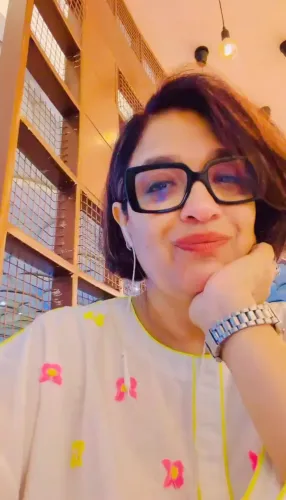
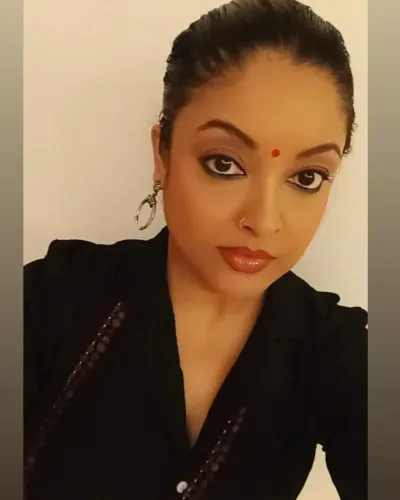
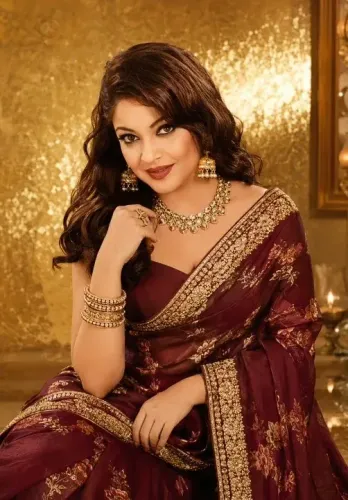
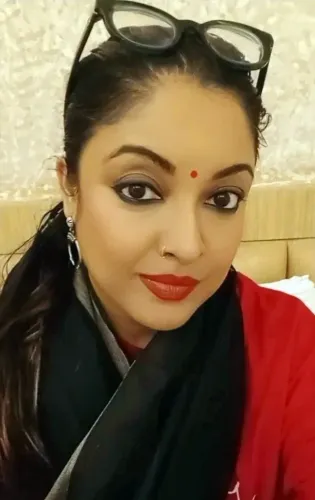
Playback singer Sona Mohapatra has publicly backed actress Tanushree Dutta after Dutta faced widespread criticism for her comments following the death of actor Nana Patekar. Dutta, who had accused Patekar of sexual harassment on a film set — a complaint that helped ignite India's #MeToo movement — offered condolences to his family while also noting that his passing would affect her professional commitments. The remarks drew sharp public backlash, prompting Mohapatra to respond on Friday, 9 October.
What Sona Mohapatra Said
Mohapatra shared a video on Instagram in which she spoke directly to the camera, defending Dutta's reaction and the anger behind it. 'I've practically earned a PhD in being the most unpopular person in a room, not because I enjoy it, nobody does, but because I've never mastered the art of keeping quiet when something is deeply wrong,' she said in the video.
She questioned the public's expectations of Dutta, saying, 'This woman spoke up about her sexual harassment on sets with this gentleman, fought an exhausting battle, faced public humiliation and professional consequences, and now she is expected to forget her experience and perform what for you? Grief. That'll comfort you.'
Criticism of Women Attackers and MeToo Parallels
Mohapatra notably called out what she described as women influencers and content creators leading the charge against Dutta, characterising their behaviour as 'chasing their little moment in the sunshine.' She drew on her own experience during India's #MeToo reckoning, revealing she was removed from a national television reality show after nearly 19 episodes because she spoke up, while many working artists chose silence to protect their careers.
'I know what speaking up costs a woman,' she said. 'And people ask, why didn't you go to court? Where is the proof? Do women go to work wearing hidden cameras in such situations? Does harassment conveniently happen before witnesses? #MeToo happened because power, fear, and retaliation made speaking up so difficult.'
On Aging, Death, and Moral Rewriting
Mohapatra challenged what she called a cultural tendency to equate old age with virtue and death with sainthood. 'Why do we associate old age with virtue and death with sainthood? Growing old doesn't make anyone morally infallible. Dying shouldn't erase uncomfortable chapters of someone's life,' she said, adding that it was possible to celebrate an artist's work, mourn his passing, and still not demand that a survivor rewrite her own history.
'Death deserves dignity. So do the living,' she said, in what became the sharpest line of her video.
Anu Malik Referenced as Broader Pattern
Mohapatra also pointed to musician Anu Malik — another figure named during the #MeToo wave — as evidence of how quickly the industry rehabilitates accused individuals. She said Malik was 'being platformed on big live stages' and had returned 'to the industry in every possible way,' citing what she described as collective amnesia. This observation widens her argument beyond the immediate Dutta controversy into a broader critique of accountability in the Indian entertainment industry.
Point of View
While a survivor's unresolved trauma is treated as bad manners. Mohapatra's broader point — that Anu Malik is back on festival stages with barely a murmur — is the one that should unsettle the industry more than Dutta's remarks did. India's #MeToo moment produced headlines but few durable accountability structures; rehabilitation of the accused has been swift and quiet, while the women who spoke up continue to bear the professional costs. The loudest criticism of Dutta coming from other women, as Mohapatra notes, also reflects how platform incentives can override solidarity.
NationPress
9 Oct 2026
Frequently Asked Questions
Why is Sona Mohapatra defending Tanushree Dutta?
Sona Mohapatra is defending Tanushree Dutta because Dutta faced public criticism for her remarks following the death of actor Nana Patekar, whom she had accused of sexual harassment on a film set. Mohapatra argues it is unreasonable to expect a survivor to perform grief for her alleged harasser.
What did Tanushree Dutta say about Nana Patekar's death?
Tanushree Dutta offered condolences to Nana Patekar's family but also said his death would affect her professional commitments. The remarks drew widespread criticism, which in turn prompted Sona Mohapatra's public defence.
What is Sona Mohapatra's personal connection to the #MeToo movement?
Mohapatra has said she was removed from a national television reality show after nearly 19 episodes because she spoke up during India's #MeToo movement. She has used this experience to argue that speaking up carries real professional costs for women.
Who is Anu Malik and why did Mohapatra mention him?
Anu Malik is a Bollywood music composer who was among the figures named during India's #MeToo wave. Mohapatra cited his return to live performance stages as evidence of what she called collective amnesia toward accused individuals in the entertainment industry.
What is the broader point Mohapatra is making?
Beyond defending Dutta, Mohapatra is arguing that Indian society falsely equates old age and death with moral virtue, and that survivors should never be pressured to suppress their own accounts to ease others' mourning. Her phrase 'Death deserves dignity. So do the living' encapsulates the argument.