Will Prasar Bharati’s Ujjwal Chatterjee-directed film ‘Tilottama’ redefine cinematic storytelling?
Synopsis
Prasar Bharati is set to unveil 'Tilottama,' a poignant Bengali film directed by Ujjwal Chatterjee, inspired by a tragic real-life incident. This powerful narrative transforms a mother's grief into a rallying cry for justice, reflecting the broader societal conscience.
Key Takeaways
Ujjwal Chatterjee directs a profound narrative exploring themes of justice.
The film is rooted in a real-life tragedy, shedding light on significant societal issues.
Artistic expressions are used as powerful tools for protest and healing.
Chatterjee emphasizes cinema's role in sparking conversations about uncomfortable truths. 'Tilottama' serves as a reminder of the ongoing fight for justice and empathy.
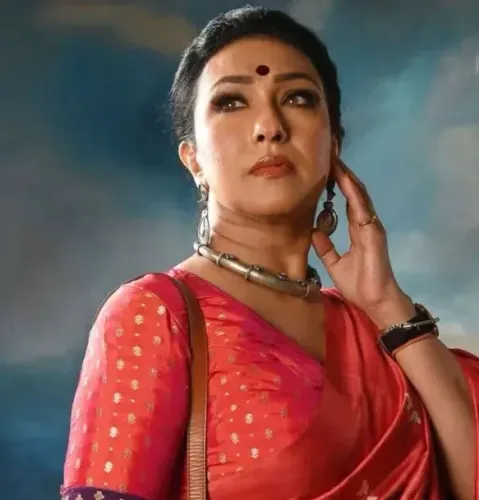
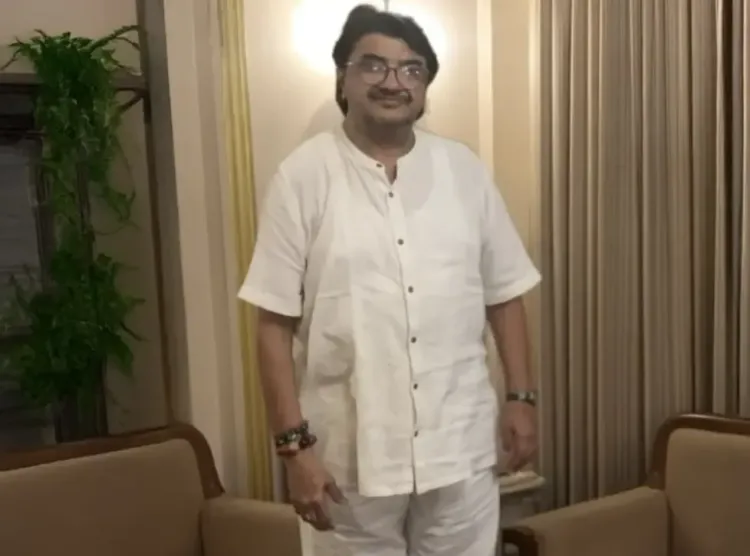
Mumbai, Oct 30 (NationPress) State-owned public broadcaster Prasar Bharati is poised to unveil Tilottama, a Bengali feature film crafted by the acclaimed Ujjwal Chatterjee, a two-time National Award-winning director.
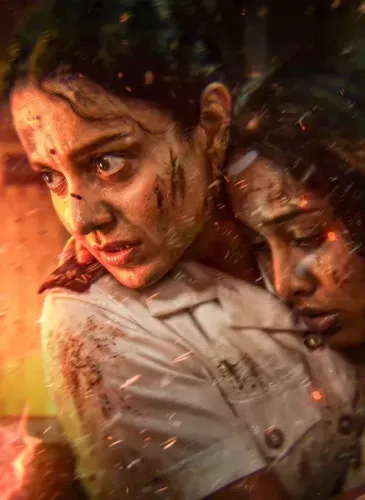
Inspired by the horrific rape and murder of a junior doctor at RG Kar Medical College in Kolkata on August 9, 2024, this film, produced by UCC Entertainments, transforms a tragic incident into a powerful testament—a mother’s lament that echoes as the conscience of a nation.
“She lost her daughter. The world lost its shame. Her struggle became our narrative.” These poignant words encapsulate the essence of Tilottama, a film that confronts uncomfortable truths head-on.
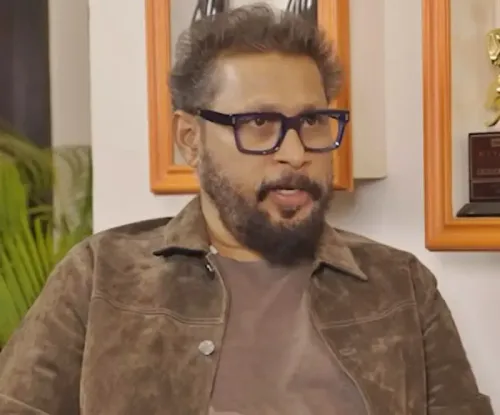
“I’ve never subscribed to the belief that cinema is solely for entertainment,” remarked Ujjwal Chatterjee.
He elaborated, “For me, it is about witnessing—standing firm in front of truth when the world chooses to look away. Tilottama is not a tale I wished to narrate; it's a story that compelled me to speak. Upon witnessing the events unfold, I knew silence was no longer an option. A filmmaker may not heal a wound, but they can ensure that wound isn’t forgotten.”
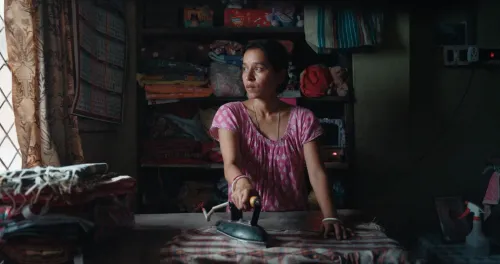
In Tilottama, the mother channels her anguish through street theatre, jiban mukhi gaan, and mime, turning artistic expressions into weapons of protest. Every act serves as a defiance; every song resonates with the rhythm of justice. Her journey reflects that of Marianne Bachmeier, the German mother who took justice into her own hands by shooting her daughter’s rapist in court—not as imitation, but as a connection forged in rage and hope.
This philosophy permeates every frame of Tilottama.
Chatterjee explains that the mother in the film “is not merely a character—she embodies our collective conscience. Through her suffering, I aim to illustrate the transformation of despair into resilience. Her theatre, her songs, her gestures—each one is an act of rebellion.”
“In her tears, I discern strength, and in her silence, I hear thunder. I am convinced that when a woman stands up against injustice, she is not only fighting for herself; she restores the equilibrium of the universe.”
For Chatterjee, this cinematic endeavor is not just a project but a sacred journey.
“This film is my tribute to every silenced daughter, every mother still yearning for justice,” he stated.
“I do not create films to soothe; I create them to awaken. Tilottama is my visual prayer—reminding us that empathy is the initial step toward revolution, and remembrance is the only form of justice that time cannot erase.”
“When silence becomes intolerable,” he asserts, “cinema must raise its voice.”
Chatterjee’s visuals are steeped in conscience. He does not capture beauty; he captures meaning. Rain-soaked streets, a flickering diya, a mother’s trembling voice rising against injustice—these are the dialogues he crafts.
The mother’s tears do not mark the conclusion of her journey; they signify the inception of ours. “In her eyes—a tempest. In his lens—the undeniable truth.”
Point of View
I stand firmly with the values and narratives that resonate with our collective conscience. 'Tilottama' serves as a reminder that storytelling through cinema can ignite change and foster discussions around pressing social issues. It is essential that we support projects that not only entertain but also provoke thought and inspire action.
NationPress
28 Sept 2026
Frequently Asked Questions
What is the main theme of the film 'Tilottama'?
The main theme revolves around a mother's fight for justice following the tragic loss of her daughter, transforming her grief into a powerful narrative against societal injustices.
Who directed 'Tilottama'?
The film is directed by Ujjwal Chatterjee, a two-time National Award-winning filmmaker known for his impactful storytelling.
What inspired the story of 'Tilottama'?
The story is inspired by the brutal rape and murder of a junior doctor at RG Kar Medical College in Kolkata, reflecting real societal issues.
How does the film convey its message?
The film uses various forms of artistic expression, including street theatre and music, to convey its message of resilience and justice.
What does Ujjwal Chatterjee hope to achieve with this film?
Chatterjee aims to awaken the audience's empathy and provoke thought about the issues of justice and societal awareness.