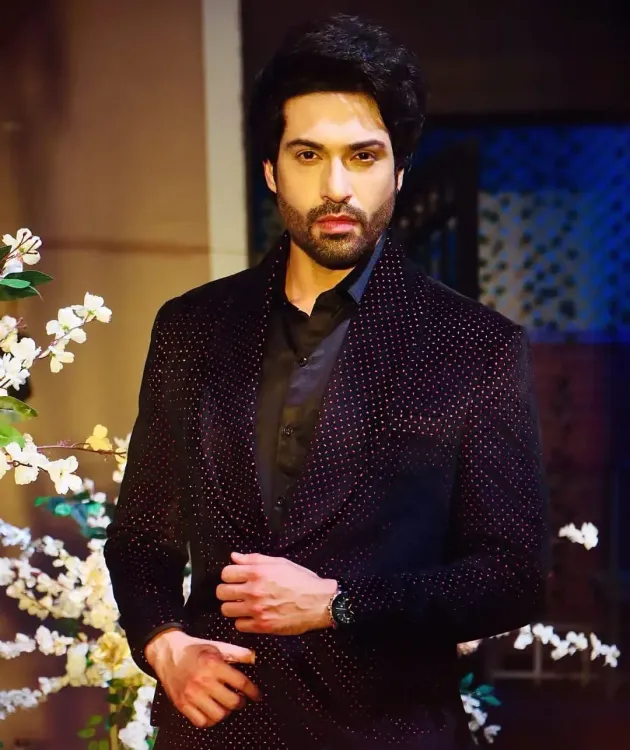
Vijayendra Kumeria calls out TV clichés: 'Zoom-zoom shots must go'
Synopsis
Vijayendra Kumeria, 15 years into a TV career, is calling time on the zoom-zoom trolley shot and the achanak shaadi twist. His remarks, timed to his current show Juhi Mui on Colors, capture a wider industry mood: Hindi television is slowly, if unevenly, shedding the visual grammar that once defined it.
Key Takeaways
Vijayendra Kumeria has been in Indian television for 15 years , debuting in 2011 with Chotti Bahu 2 - Sawar Ke Rang Rachi .
He singled out 'sudden marriage' twists and kitchen-drama storylines as clichés he hopes do not return.
He also criticised the circular trolley camera with repeated zoom-ins, a visual device closely associated with Hindi soap melodrama.
Kumeria currently stars alongside Eisha Singh in Juhi Mui on Colors , a show centred on a young autistic woman named Juhi Suri .
His comments reflect broader pressure on Hindi GEC channels from OTT platforms pushing producers toward more restrained storytelling.
Actor Vijayendra Kumeria, who has spent 15 years in Indian television, is speaking out against the small screen's most enduring storytelling habits — from sudden wedding twists to the infamous circular trolley camera shots that became shorthand for melodrama across a generation of Hindi serials.
The Clichés He Wants Left Behind
Kumeria, who made his television debut in 2011 with Chotti Bahu 2 - Sawar Ke Rang Rachi, named the tropes most viewers will instantly recognise. 'Clichés? There are so many. Wahi shadi ho gayi achanak se... Namak, kisne namak daal diya, kisne chana zyada upaal diya. All these things, you know. Those have already stopped, I guess,' he said.
The 39-year-old actor was referring to the once-ubiquitous 'sudden marriage' plot device and domestic drama built around kitchen mishaps — storylines that dominated prime-time Hindi television through much of the 2000s and early 2010s.
The 'Zoom-Zoom' Camera Problem
Beyond plot devices, Kumeria also took aim at a specific visual grammar that defined the era. 'Those over-the-top dramatic scenes where everyone is shouting, the camera keeps circling on a trolley with endless zoom-ins — that style may still exist in some places, but things have changed a lot. I hope those clichés never make a comeback,' he said.
The repeated zoom-in shot — typically used to punctuate a revelation or confrontation — became so associated with Hindi soap operas that it entered mainstream pop culture as a reference point for exaggerated drama. Kumeria's comments reflect a growing sentiment among television actors who have watched the medium evolve, particularly as OTT competition has pushed producers toward more restrained storytelling.
His Current Project: Juhi Mui
Kumeria is currently seen alongside actress Eisha Singh in Juhi Mui, airing on Colors. The show centres on Juhi Suri, a young autistic woman whose cognitive strengths set her apart in a world that frequently misunderstands her. In the current track, Juhi is navigating grief after the death of her father — the figure who had shielded her from society's harsher judgements.
The show's subject matter marks a departure from the family drama format Kumeria is critiquing, positioning itself around a protagonist whose neurodivergence is framed as a strength rather than a narrative obstacle.
Television's Changing Landscape
Kumeria's remarks come at a moment when Hindi general entertainment channels are under sustained pressure from streaming platforms, which have drawn younger audiences away from linear TV. Several long-running daily soaps have wound down in recent years, and producers have experimented with shorter episode runs and more contemporary storylines.
Whether the medium has decisively moved past its cliché era remains debated — but voices like Kumeria's, from within the industry, add weight to the argument that audiences and creators alike are ready for a different kind of television.
Point of View
Which grew up on precisely the clichés he is dismissing, and a younger demographic that has migrated to OTT. The zoom-zoom shot and the achanak shaadi were not accidents — they were tested formulas that delivered ratings for years. The real question is whether channels are abandoning them out of creative conviction or competitive necessity. If it is the latter, those clichés will return the moment ratings demand it.
NationPress
8 Oct 2026
Frequently Asked Questions
What TV clichés does Vijayendra Kumeria want stopped?
Vijayendra Kumeria has called out 'sudden marriage' plot twists, kitchen-drama storylines, and the repeated circular trolley zoom-in shots that became synonymous with Hindi soap operas. He said he hopes these never make a comeback, while acknowledging that Indian television has already changed significantly.
What show is Vijayendra Kumeria currently in?
Kumeria is currently starring in Juhi Mui on Colors, alongside actress Eisha Singh. The show follows Juhi Suri, a young autistic woman navigating grief after her father's death while using her cognitive strengths in a world that often misunderstands her.
When did Vijayendra Kumeria start his television career?
Vijayendra Kumeria made his television debut in 2011 with Chotti Bahu 2 - Sawar Ke Rang Rachi. He has been working in the Hindi TV industry for 15 years as of 2026.
Why are Hindi TV clichés like zoom shots being criticised now?
Growing competition from OTT streaming platforms has pushed Hindi general entertainment channels toward more restrained and contemporary storytelling. Actors and producers within the industry have increasingly distanced themselves from the melodramatic visual grammar — including repeated zoom-ins and exaggerated family drama — that defined the format for over a decade.