West Bengal mandates weekly medicine stock audit in govt hospitals to curb expired drug use
Synopsis
West Bengal's Health Department is introducing mandatory weekly medicine stock audits across all government hospitals after complaints that newborns and new mothers were given expired saline and Ringer's lactate. Expired drugs linked to TMC leader Abhishek Banerjee's Sebaashray health camps have triggered a parallel CID probe — giving this health reform an unusually sharp political edge.
Key Takeaways
West Bengal Health Department has approved a new SOP mandating weekly medicine stock audits in all state-run hospitals and medical college hospitals.
Medicines expired by even 24 hours will be immediately rejected and destroyed to prevent recycling or diversion.
The move follows complaints that new mothers and newborns were administered expired saline and Ringer's lactate in government facilities.
Expired drugs were also reportedly found at Sebaashray health camps linked to TMC leader and Lok Sabha MP Abhishek Banerjee .
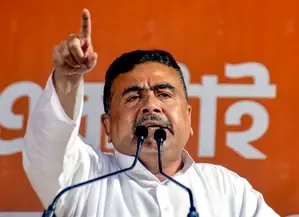
Chief Minister Suvendu Adhikari has ordered parallel probes by the CID, West Bengal Police and the state health department.
Repeat-offender hospital authorities face show-cause notices from the health department.
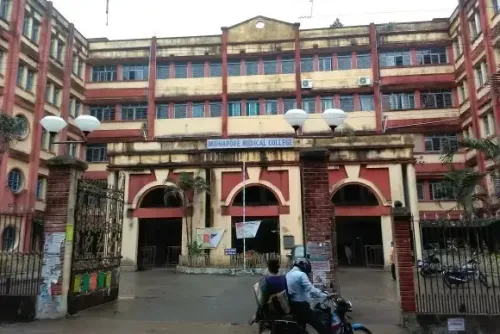
The West Bengal Health Department is set to roll out a new standard operating procedure (SOP) requiring weekly audits of medicine inventories across all state-run hospitals and medical college hospitals, in a bid to eliminate the administration of expired drugs to patients. State Health and Family Welfare Minister Dr Sharadwat Mukhopadhyay has formally approved the SOP, according to a senior official within the department.
What the New SOP Mandates
Under the proposed framework, every state-run medical facility in West Bengal will be required to conduct a thorough weekly review of its medicine stocks. The audit will specifically scrutinise manufacturing and expiry dates. Medicines found to have lapsed even 24 hours past their expiry will be immediately rejected and destroyed on-site, according to the official, to foreclose any possibility of their being recycled or diverted outside hospital premises.
Hospitals or officials found to be repeat offenders — detected across multiple weekly reviews for retaining expired stocks — will face show-cause notices issued directly by the state health department. The accountability mechanism is intended to move beyond one-off corrective action and establish a pattern of consequence for persistent lapses.
What Triggered the Move
The decision follows a series of complaints received over the past several years alleging that patients in state-run facilities — including new mothers and newborns — were administered expired saline and expired Ringer's lactate, a commonly used intravenous fluid. These are among the most critical inputs in maternity and neonatal care, making the lapses particularly alarming, according to the official.
A second concern driving the SOP, as explained by the official, is the reported unauthorised circulation of expired medicines from government hospitals to voluntary health camps, where patients are treated with little regulatory oversight. This practice, if confirmed, would represent a systemic failure extending well beyond hospital walls.
Political Dimension: Sebaashray Camps Under Scrutiny
The issue has acquired a sharp political dimension. Complaints of expired medicine recovery were also linked to Sebaashray health camps — formerly organised by All India Trinamool Congress (TMC) general secretary and Lok Sabha member Abhishek Banerjee. Reports of expired drugs being found at these camps have added pressure on the state administration to act.
Chief Minister Suvendu Adhikari has ordered parallel investigations by the Criminal Investigation Department (CID) of the West Bengal Police and the state health department into the matter. The twin-probe approach signals the seriousness with which the administration is treating the allegations, though outcomes remain pending.
Scope of the SOP and Next Steps
Beyond weekly stock checks, the SOP is designed to ensure that expired medicines are not merely quarantined but destroyed immediately, removing any window for their diversion. The procedure will apply uniformly across district hospitals, sub-divisional hospitals, and medical college hospitals in the state.
With both a regulatory mechanism and a parallel criminal inquiry now in motion, the coming weeks will test whether West Bengal's health infrastructure can translate policy intent into verifiable outcomes at the ward level.
Point of View
But it addresses the symptom rather than the supply-chain failure that allowed expired drugs to reach patients and unauthorised health camps in the first place. The link to Sebaashray camps — and the Chief Minister's decision to order a CID probe alongside a departmental inquiry — suggests this is as much a political reckoning as a public health reform. The real test will be whether the destruction mandate is enforced at district-level facilities where oversight is thinnest, or whether the SOP becomes another paper procedure that lapses between inspection cycles.
NationPress
27 Oct 2026
Frequently Asked Questions
What is the new SOP introduced by the West Bengal Health Department?
It is a standard operating procedure requiring weekly audits of medicine stocks in all state-run hospitals and medical college hospitals in West Bengal. Medicines found to be expired by even 24 hours must be immediately rejected and destroyed, and repeat-offender authorities face show-cause notices.
Why is West Bengal introducing weekly medicine stock audits?
The SOP follows multiple complaints over recent years that patients — including newborns and new mothers — were administered expired saline and Ringer's lactate in government hospitals. Expired drugs from state facilities were also reportedly circulated at unauthorised voluntary health camps.
What is the Sebaashray camp controversy linked to this issue?
Sebaashray health camps were formerly organised by TMC general secretary and Lok Sabha MP Abhishek Banerjee. Complaints of expired medicines being recovered from these camps contributed to the current scrutiny, prompting Chief Minister Suvendu Adhikari to order a CID and departmental probe.
What action can hospitals face for non-compliance with the new SOP?
Hospital authorities found to be repeat offenders — detected across multiple weekly reviews for retaining expired medicine stocks — will be issued show-cause notices by the West Bengal Health Department.
Who approved the new medicine audit SOP in West Bengal?
State Health and Family Welfare Minister Dr Sharadwat Mukhopadhyay has given formal approval for the SOP. The initiative was driven by the state health department following sustained complaints about expired drug use in government medical facilities.