Giriraj Singh pays tribute to Guru Ram Das Ji on Prakash Purab
Synopsis
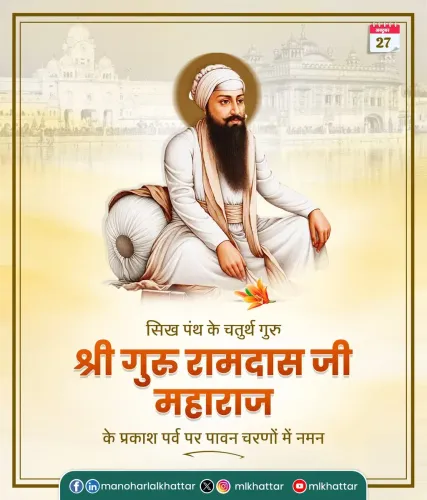
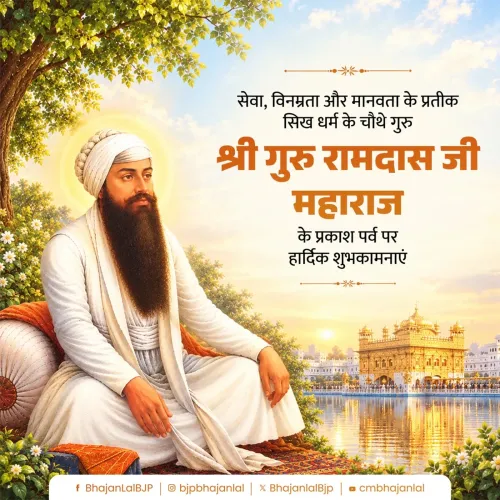
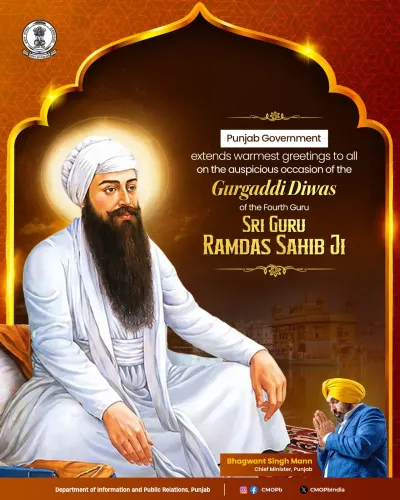
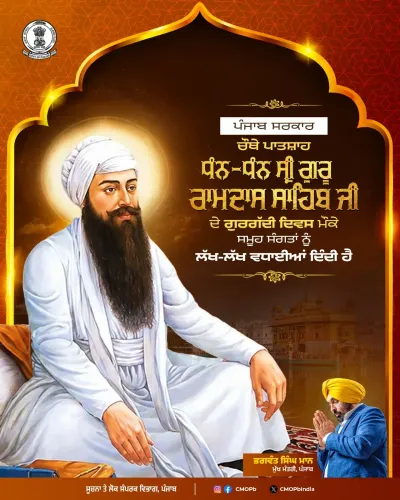
Union Textiles Minister Giriraj Singh paid tribute to Guru Ram Das Ji, the fourth Guru of Sikhism and founder of Amritsar, on his Prakash Purab, honouring his teachings of seva, devotion and brotherhood.
Key Takeaways
Giriraj Singh , Union Textiles Minister and senior BJP leader, posted a tribute to Guru Ram Das Ji on his Prakash Purab on 27 October 2026 .
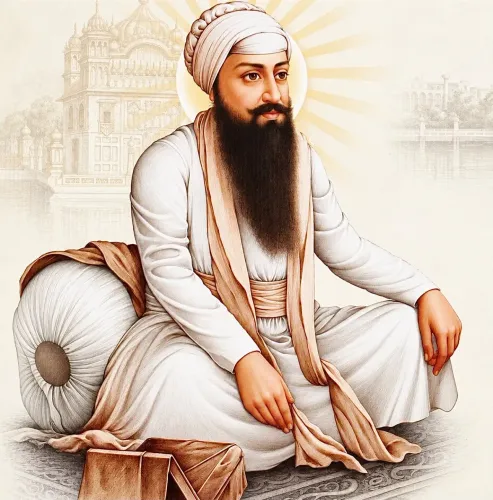
Guru Ram Das Ji (1534–1581) was the fourth Guru of Sikhism and founder of the city of Amritsar .
He excavated the sacred Amrit Sarovar pool, the site around which the Golden Temple (Harmandir Sahib) was later constructed.
His hymns are enshrined in the Guru Granth Sahib , and his emphasis on seva (selfless service) remains central to Sikh practice globally.
Indian political leaders across parties routinely issue tributes on Sikh Guru anniversaries, reflecting a broad consensus on honouring religious diversity.
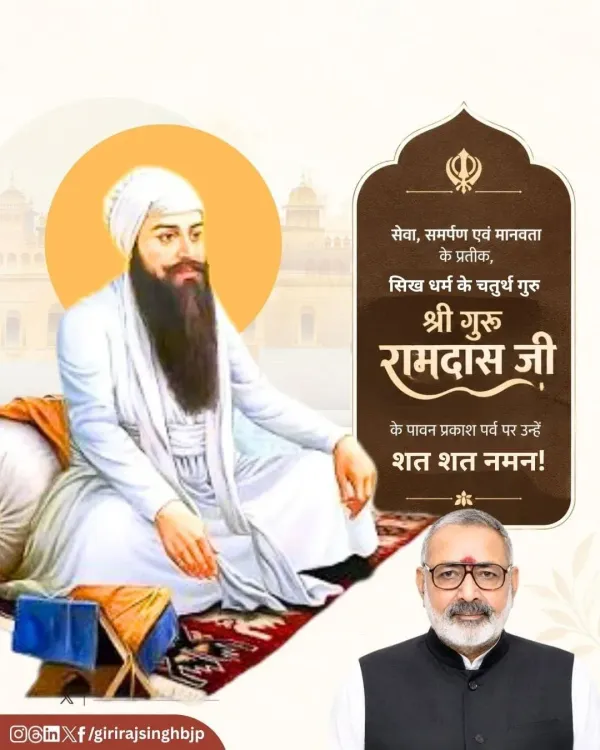
On the auspicious occasion of the Prakash Purab of Guru Ram Das Ji, the fourth Guru of Sikhism, Union Textiles Minister Giriraj Singh offered reverential homage, invoking the Guru's timeless teachings of selfless service, devotion, and brotherhood on Tuesday, 27 October 2026.
In a post on X, the senior BJP leader wrote — 'seva, samarpan evam manavta ke apratim pratik' ('an unparalleled symbol of service, dedication and humanity') — saluting Guru Ram Das Ji with 'shata-shata naman' (a hundredfold bow of respect). He noted that the Guru's 'entire life and sacred teachings inspire humanity, selfless service, devotion and brotherhood.'
Who was Guru Ram Das Ji, the founder of Amritsar
Guru Ram Das Ji (1534–1581) was the fourth of the ten Sikh Gurus and one of the most consequential figures in the faith's early history. He founded the city of Amritsar — today the spiritual capital of global Sikhism — and oversaw the excavation of the sacred pool, Amrit Sarovar, around which the Harmandir Sahib (the Golden Temple) would later be built.
His hymns, compiled in the Guru Granth Sahib, are among the most beloved in the Sikh canon. He placed seva — selfless service to humanity without expectation of reward — at the very heart of Sikh practice, a principle that continues to animate langar kitchens and relief camps worldwide.
A ritual of recognition across party lines
Giriraj Singh's message follows a well-established tradition in Indian public life. Across the political spectrum, leaders mark the Prakash Purab of each Sikh Guru with formal tributes — an acknowledgement of Sikhism's deep roots in India's pluralist fabric and the faith community's significant presence in states such as Punjab, Haryana, Delhi and in the Indian diaspora globally.
The practice underscores a broader political consensus: honouring India's religious diversity is not optional ceremony but expected statecraft. With Guru Nanak Dev Ji's Prakash Purab and other Sikh observances on the annual calendar, similar messages from across the government are anticipated in the weeks ahead.
The legacy of Guru Ram Das Ji — a life distilled into service without ego, devotion without exclusion — remains as relevant a touchstone today as it was in sixteenth-century Punjab. That politicians reach for it each year is itself a measure of how deeply those values are woven into the national conversation.
Point of View
Multi-faith outreach — using high-profile religious anniversaries to signal inclusivity alongside its core Hindu-nationalist identity. Prakash Purab messages carry particular resonance in an electoral geography where Sikh voters are decisive in Punjab and parts of Haryana and Delhi. The ritual consistency of such tributes across parties has effectively made them a floor of political civility rather than a differentiating gesture. What distinguishes individual tributes is the specificity of language and the ministerial rank of the author — both markers the party calculates carefully.
NationPress
27 Oct 2026
Frequently Asked Questions
Who was Guru Ram Das Ji?
Guru Ram Das Ji (1534–1581) was the fourth Guru of Sikhism. He founded the city of Amritsar and excavated the Amrit Sarovar pool, the sacred site at the heart of the Golden Temple complex. His hymns are part of the Guru Granth Sahib.
What is Prakash Purab?
Prakash Purab refers to the birth anniversary of a Sikh Guru, literally meaning 'festival of light.' It is observed with prayers, processions and community service by Sikhs across India and worldwide.
Why did Giriraj Singh post a tribute to Guru Ram Das Ji?
Giriraj Singh, Union Textiles Minister and BJP leader, posted the tribute to mark the Prakash Purab of Guru Ram Das Ji, honouring his teachings of selfless service, devotion, and brotherhood — in keeping with a broad tradition of Indian political leaders acknowledging major Sikh religious occasions.
What is the connection between Guru Ram Das Ji and Amritsar?
Guru Ram Das Ji founded the city of Amritsar and initiated the excavation of the Amrit Sarovar pool. The Harmandir Sahib (Golden Temple), Sikhism's holiest shrine, was subsequently built on the banks of that pool by his successor.
What does seva mean in Sikhism?
Seva means selfless service performed without expectation of personal gain or recognition. Guru Ram Das Ji placed it at the core of Sikh practice, and it continues to animate institutions like the langar (community kitchen) that serves free meals to all visitors regardless of faith or status.