Are Unqualified Practitioners and Self-Styled Dietitians Worsening India’s Obesity Crisis?

Synopsis
Union Minister Jitendra Singh warns that unqualified dietitians are fueling India’s obesity epidemic. With misinformation rampant, he calls for scientific rigor and regulatory measures to protect public health. This discussion highlights the urgent need for verified qualifications in dietary practices.
Key Takeaways
Importance of verified qualifications in dietary practice.
Obesity is a public health crisis that requires scientific approaches.
Visceral fat is a significant health risk, regardless of overall weight .
Caution is necessary with the use of GLP-based medications.
There is a need for regulations and guidelines in the dietary field.
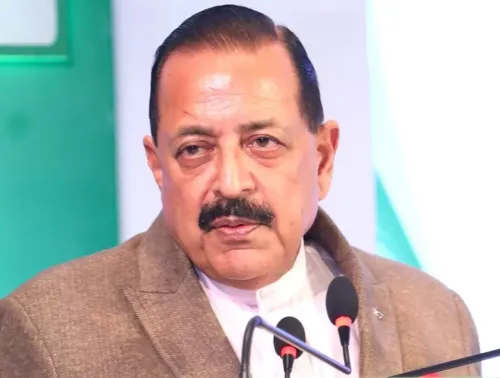
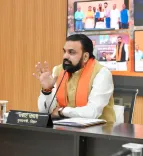
New Delhi, Dec 9 (NationPress) Unqualified practitioners and self-styled dietitians are exacerbating India’s obesity crisis through misinformation, according to Union Minister of State for Science & Technology Jitendra Singh.
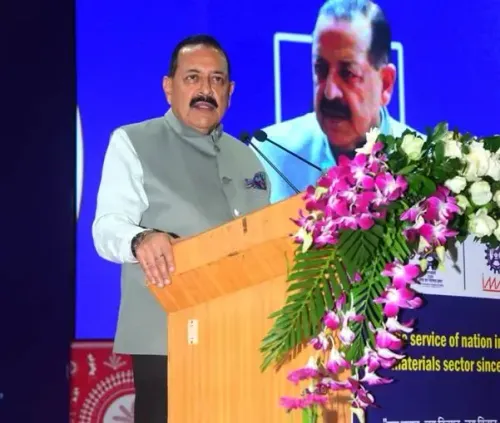
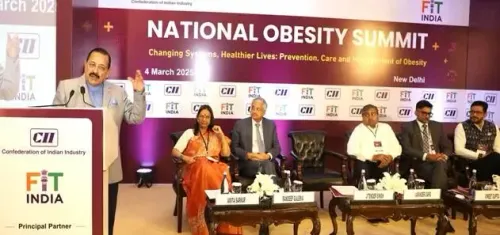
During a panel discussion at the ongoing India International Science Festival (IISF) in Panchkula, Haryana, Singh highlighted the complexities of India’s obesity landscape, driven by societal behaviors, market forces, and widespread misinformation.
“The primary issue in India isn’t a lack of awareness, but rather the rampant spread of disinformation. Every neighborhood has a dietitian, yet there is no system in place to verify their qualifications. Irresponsible advice and untested remedies can be even more detrimental than obesity itself,” he stated.
The Minister emphasized the importance of addressing obesity with scientific rigor, noting that it transcends mere cosmetic concerns. He urged policymakers to implement measures that protect individuals from misleading treatments.
“Obesity is a significant public health issue in India, not just a cosmetic problem. It requires a scientific and policy-driven approach,” Singh remarked.
He pointed out that the societal perspective in India often regards obesity as a cosmetic issue, which has hindered essential scientific discussions on the topic.
Singh also noted the distinctive phenotype of Indians, particularly the higher incidence of central or visceral obesity among Oriental populations.
“For Indians, the waistline conveys more critical information than the weighing scale,” he stressed, indicating that visceral fat is an independent risk factor, even when overall body weight appears normal.
In light of the rising popularity of GLP-based medications, the Minister urged caution, highlighting that long-term effects may only become apparent after several years.
He recalled past public health errors, such as the unregulated shift to refined oils in the 1970s and 80s, which had unforeseen adverse effects. Accurate clinical insights often emerge from analyzing outcomes over long periods,” he noted.
The Minister also addressed emerging issues like sarcopenia and “Ozempic face,” which are associated with rapid or drug-induced weight loss, emphasizing that the complete range of physiological impacts remains largely unknown.
Furthermore, he pointed to the increasing variety of metabolic complications in India.
“Previously, one in three outpatient department patients had undiagnosed diabetes; now, every third patient presents with fatty liver. The range of conditions is expanding, necessitating a more scientific and regulated approach to manage it,” he stated.
Point of View
We believe this pressing issue highlights the urgent need for regulatory measures in the dietary field. With obesity becoming a significant public health concern, it is imperative for society to recognize the importance of qualified professionals in promoting health and wellness.
NationPress
24 Sept 2026
Frequently Asked Questions
What role do unqualified practitioners play in obesity?
Unqualified practitioners contribute to obesity by spreading misinformation and offering unverified dietary advice, which can worsen health conditions.
Why is obesity considered a public health challenge?
Obesity is a public health challenge as it leads to various health issues, including diabetes and liver diseases, affecting millions in India.
What is visceral obesity?
Visceral obesity refers to fat accumulation around internal organs, which poses higher health risks compared to subcutaneous fat.
What are GLP-based drugs?
GLP-based drugs are medications often used for weight management, but caution is advised due to potential long-term effects.
How can obesity be addressed scientifically?
Addressing obesity scientifically involves creating policy frameworks that prioritize evidence-based treatments and qualifications for practitioners.