Kota C-section deaths: 4 women dead, 8 critical as Rajasthan probes negligence
Synopsis
Four young mothers are dead and eight more are fighting for their lives after Caesarean surgeries at government hospitals in Kota — with families alleging algae-lined operating theatres, ignored warnings, and substandard medicines. The Rajasthan government has suspended doctors and banned 24 medicines, but for grieving families refusing to accept their loved ones' bodies, the response feels too little, too late.
Key Takeaways
Four women have died following Caesarean section complications at Kota government hospitals between May 4 and May 11, 2026 .
At least eight more women remain in critical condition, reportedly suffering kidney failure.
The state suspended Associate Professor Dr Navneet Kumar and nursing officers Gurjot Kaur and Nimesh Verma ; contract doctor Dr Shraddha Upadhyay was dismissed.
The Rajasthan government halted use of 24 medicines and medical devices statewide pending laboratory testing.
Chief Minister Bhajanlal Sharma ordered a swift investigation; state-level monitoring teams will inspect hospitals periodically.
Families have alleged unhygienic operating theatres, delayed referrals, and possible use of substandard medicines, and are staging a dharna demanding accountability and compensation.
At least four women have died following Caesarean section complications at government hospitals in Kota, Rajasthan, over the past week, with eight more reportedly battling critical conditions including kidney failure. The deaths have triggered widespread outrage, a state-level inquiry, and suspensions of medical staff, as grieving families allege gross negligence, unhygienic operating theatres, and the possible use of substandard medicines.
A Timeline of Deaths
The first death was reported on May 4, 2026. Payal and Jyoti Nayak followed on May 5 and May 7 respectively, both dying at the New Hospital in Kota. 22-year-old Priya Mahawar from Bundi district also died following a Caesarean delivery at J.K. Lon Hospital.
The latest victim, 31-year-old Pinky Mahawar of Shriramnagar, Kota, died shortly after midnight on Sunday at the Super Speciality Block of the Medical College's New Hospital. She had delivered a baby girl at J.K. Lon Hospital just days earlier. According to her family, her blood pressure dropped sharply after surgery, she stopped passing urine, and signs of kidney failure emerged rapidly. Her husband, Chandraprakash, alleged that despite her deteriorating condition, the hospital failed to refer her for advanced treatment in time. By the time she was shifted to ventilator support, it was too late. Pinky leaves behind a four-year-old son and a newborn daughter.
Families Allege Negligence, Stage Dharna
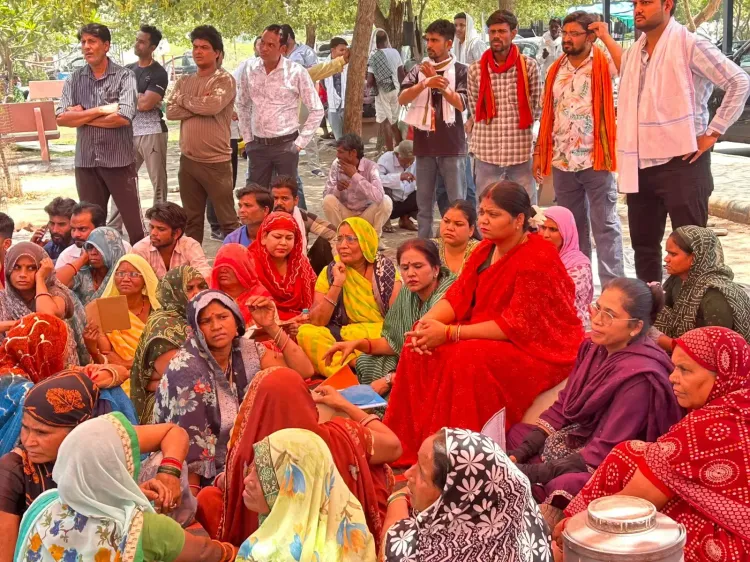
Grieving relatives have alleged that algae layers were visible in operating theatres and that doctors failed to respond when families raised concerns about patients worsening condition. Families of the deceased, including Pinky's relatives, have refused to accept the bodies until accountability is established, and are staging a dharna outside the hospital demanding answers and compensation.
Congress city president Rakhi Gautam, who joined the dharna, said at least eight women remain in critical condition and battling for their lives. She questioned why no judicial probe or compensation had been announced despite the first death occurring on May 4. She described the pattern as unmistakable: kidney failure and sudden low blood pressure following Caesarean surgeries across multiple patients. She also alleged that doctors privately acknowledge a possible link to substandard medicines but are reluctant to speak openly for fear of losing their jobs. She further questioned who would bear the lifelong dialysis expenses for survivors.
Government Action: Suspensions and Banned Medicines
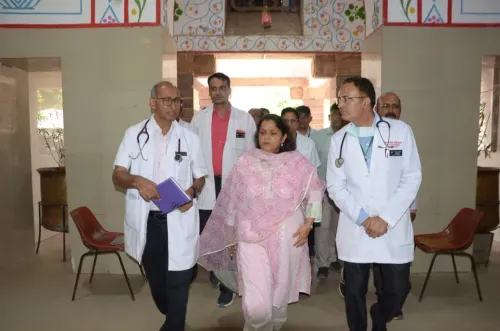
Chief Minister Bhajanlal Sharma has ordered a swift investigation, while Medical Minister Gajendra Singh Khimsar has been monitoring the situation. Gayatri Rathore, Principal Secretary of the Medical Education Department, stated that the preliminary inquiry revealed prima facie evidence of gross negligence in adherence to medical protocols and procedures.
Consequently, Associate Professor Dr Navneet Kumar of the Department of General Surgery was suspended, and contract doctor Dr Shraddha Upadhyay was dismissed from service. Nursing officers Gurjot Kaur and Nimesh Verma were also suspended, and notices were issued to senior doctors.
The state has halted the use of 24 medicines and medical devices across Rajasthan following suspicions of substandard drugs, with samples sent for laboratory testing. Sources indicate that severe infections leading to kidney failure are suspected to be the common thread across cases, though the hospital administration has not issued any clear official explanation.
Systemic Overhaul Ordered Across Rajasthan
Rajasthan's Medical and Health Department has directed strict adherence to treatment and sterilisation protocols in all government hospitals, particularly in Intensive Care Units, emergency wards, and operating theatres. Hospitals have been instructed to ensure regular sterilisation of equipment, proper medicine storage, maintenance of duty registers, and the mandatory presence of senior doctors in critical units.
State-level monitoring teams will conduct periodic inspections, with immediate corrective action wherever lapses are found. Rathore warned that negligence by doctors, nursing staff, or facility in-charges would invite strict disciplinary action under service rules.
Political Fallout and What Comes Next
The incident has snowballed into a major political crisis, with the opposition targeting the ruling government over the state of Rajasthan's healthcare infrastructure. Families allege surgeries were conducted in unhygienic theatres and that warnings were ignored even after earlier cases surfaced. The coming weeks will test whether the government's response amounts to genuine accountability or crisis management — and whether the 24 suspended medicines are confirmed as substandard once laboratory results are available.
Point of View
With identical symptom patterns — kidney failure and blood pressure collapse post-surgery — is not a coincidence; it is a system failure. The Rajasthan government's response, suspending a handful of doctors and banning 24 medicines, addresses symptoms rather than causes. The deeper question is how operating theatres with alleged algae growth were cleared for use in the first place, and why internal warnings apparently went unheeded after the first death on May 4. Without an independent judicial probe and a transparent drug-testing outcome, the suspensions risk becoming a pressure-valve measure rather than genuine accountability.
NationPress
25 Sept 2026
Frequently Asked Questions
What happened at Kota hospitals in Rajasthan in May 2026?
At least four women died following Caesarean section complications at government hospitals in Kota, Rajasthan, between May 4 and May 11, 2026. Eight more women are reportedly in critical condition with kidney failure, and families have alleged medical negligence, unhygienic operating theatres, and the use of substandard medicines.
Which doctors were suspended in the Kota maternal deaths case?
Associate Professor Dr Navneet Kumar of the Department of General Surgery was suspended, and contract doctor Dr Shraddha Upadhyay was dismissed from service. Nursing officers Gurjot Kaur and Nimesh Verma were also suspended, and notices were issued to senior doctors, following a preliminary inquiry that found prima facie evidence of gross negligence.
Why did the Rajasthan government ban 24 medicines?
The state halted the use of 24 medicines and medical devices across Rajasthan after suspicions arose that substandard drugs may have contributed to the post-surgical complications. Samples have been sent for laboratory testing, and results are awaited.
What are families of the deceased demanding?
Grieving families are staging a dharna outside the hospitals, demanding a fair and transparent investigation, strict action against those responsible, and compensation. Several families, including that of Pinky Mahawar, have refused to accept the bodies until accountability is fixed.
What systemic changes has the Rajasthan government ordered?
The Medical and Health Department has directed strict adherence to sterilisation and treatment protocols in all government hospitals, mandatory presence of senior doctors in critical units, and regular equipment sterilisation. State-level monitoring teams will conduct periodic inspections, with immediate corrective action wherever lapses are found.