How is Tripura's CM Addressing Early Detection of HIV/AIDS?
Click to start listening
Synopsis
Tripura's Chief Minister, Manik Saha, champions the need for increased HIV/AIDS screening and awareness in educational institutions. With alarming statistics and a commitment to public health, the state aims to combat the virus while addressing addiction issues among the youth. Join the fight against HIV/AIDS—learn more about the initiatives being taken.
Key Takeaways
- Increase screening efforts for early detection of HIV/AIDS.
- Awareness campaigns are essential in educational institutions.
- Government provides financial support to affected individuals.
- Addressing addiction issues among youth is critical.
- Collaboration with community organizations is key.
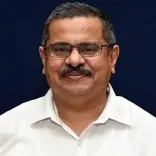
Agartala, Dec 1 (NationPress) The Chief Minister of Tripura, Manik Saha, emphasized on Monday that an increase in screening is crucial to effectively combat HIV/AIDS. He pointed out that enhanced discussions and awareness initiatives in both schools and colleges are vital for raising consciousness on these pressing matters.
Saha, who also oversees the Health and Family Welfare department, underscored the necessity for heightened public awareness and mentioned that security agencies are adopting a stringent approach against drug-related issues.
As of October 2025, Tripura has recorded a total of 6,417 individuals living with HIV/AIDS, comprising 1,222 women, 5,189 men, and 6 transgender individuals. The state government has initiated a provision of a monthly allowance of Rs 2,000 for those affected by the virus.
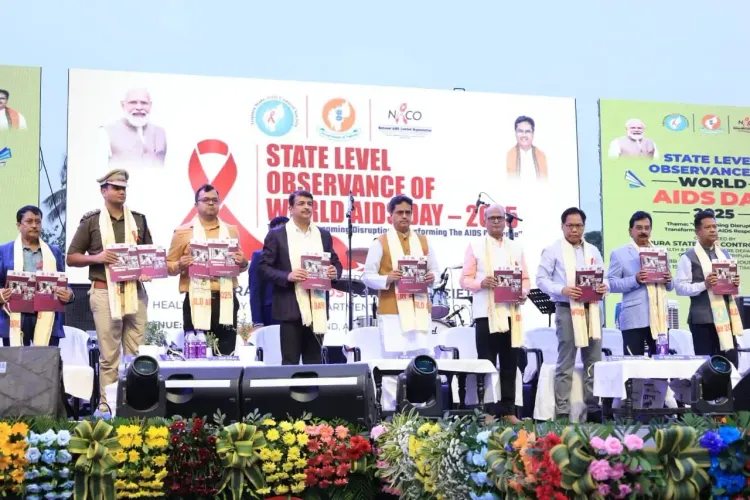
During an event held at the MBB college playground to mark World AIDS Day, Saha also virtually inaugurated Cancer Care Centres in the North, Gomati, and Dhalai districts.
As a dental surgeon himself, Saha noted that the World Health Organization recognizes around eight global observances, including World AIDS Day.
He acknowledged the continuous efforts of the Tripura State AIDS Control Society in the fight against AIDS, reiterating that once the HIV infection enters the body, it cannot be eliminated, as there is currently no cure.
“However, modern medical advancements can reduce the viral load, allowing those infected to lead normal lives. The Tripura AIDS Control Society is committed to enhancing public awareness on AIDS. In national assessments, Tripura has been recognized as a well-performing state and has received accolades for its comprehensive efforts,” he shared.
The Chief Minister highlighted the global tally of HIV infections, which stands at approximately 40 million, with India accounting for about 2.544 million cases. The day’s program aimed to foster awareness regarding HIV. Previously, several initiatives have been undertaken, including the establishment of Red Ribbon Clubs at college levels. He urged the AIDS Control Society to consider launching these clubs in schools.
During his address, Saha remarked on the rising influence of addiction among the youth due to societal pressures and mental health challenges. He noted that government security agencies are taking a robust stance against drugs, having recently destroyed a significant quantity of illicit substances. It’s essential to adopt a holistic approach, focusing not just on arrests but also on counseling young victims of addiction. Reports indicate that 83% of those infected belong to the youth demographic, with 39% being female.
He urged school and college educators to remain vigilant regarding students exhibiting troubling behavior and to monitor prolonged absences. Engaging parents when necessary is crucial. More screening efforts are essential in the fight against HIV/AIDS, he emphasized.
“The more screenings conducted, the greater the number of cases identified. Increased discussions in educational institutions about these issues are imperative. Teachers should dedicate at least five minutes in class to discuss this topic. Clubs and community organizations should also step up,” he added.
According to the Chief Minister, there has been a significant decline in HIV/AIDS-related deaths both globally and in India.
The event saw participation from several dignitaries including MBB University Vice Chancellor Dr. Bibhas Deb, Health Department Secretary Kiran Gitte, and others.
Point of View
Our commitment to public health issues is unwavering. The initiatives highlighted by CM Manik Saha reflect a proactive approach in addressing the HIV/AIDS crisis in Tripura. It's essential that we continue to foster awareness and support for affected individuals, particularly the youth. The collaboration among educational institutions, government agencies, and community organizations is vital for a comprehensive response to this pressing concern.
NationPress
01/12/2025
Frequently Asked Questions
What steps is Tripura taking to fight HIV/AIDS?
Tripura is enhancing screening efforts, promoting awareness campaigns in schools and colleges, and providing financial support to those affected by HIV/AIDS.
How many people are currently living with HIV/AIDS in Tripura?
As of October 2025, there are 6,417 individuals living with HIV/AIDS in Tripura.
What is the government's financial support for HIV/AIDS patients?
The government has arranged a monthly allowance of Rs 2,000 for individuals infected with HIV/AIDS.
What is the role of the Tripura State AIDS Control Society?
The Tripura State AIDS Control Society works to combat AIDS by raising public awareness and implementing health programs.
Why is school involvement important in HIV/AIDS awareness?
Schools play a crucial role in educating the youth about HIV/AIDS, which helps to reduce stigma and promote early detection.