Libya boat disaster: 7 rescued, 17 bodies recovered off Tobruk coast
Synopsis
A boat stranded for eight days off Libya's Tobruk coast left 17 people dead and only seven survivors — the second such disaster near the same city in under two weeks. With 1,314 migrants already killed or missing on the central Mediterranean route in 2025 alone, the approaching summer crossing season signals a deepening humanitarian emergency.
Key Takeaways
17 bodies were recovered and 7 survivors rescued off Tobruk , eastern Libya, on 30 April 2025 .
The stricken vessel had been stranded at sea for eight days before rescue teams responded.
A previous incident on 19 April 2025 near the same location left 6 dead and 4 rescued .
The IOM reports 1,314 migrants killed or missing on the central Mediterranean route in 2025 so far.
27,116 migrants have been intercepted and returned to Libya in 2025, according to the IOM.
Crossings typically peak between March and September , raising fears of further casualties ahead.
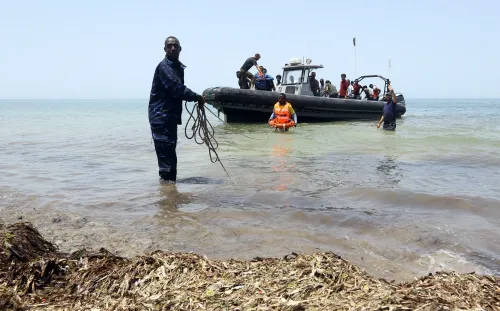
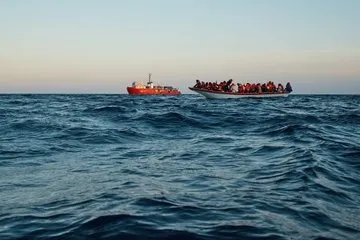
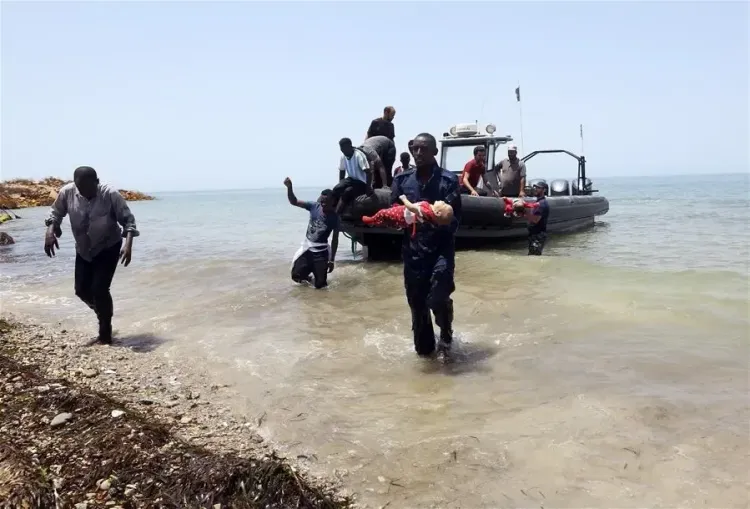
Seven migrants were rescued and 17 bodies recovered after a boat broke down off Libya's eastern coast, the Libyan Red Crescent announced on 30 April 2025. The vessel had been stranded at sea for eight days in harsh conditions before a patrol from the naval base in Tobruk responded.
How the Rescue Unfolded
According to the Libyan Red Crescent's statement, the operation was carried out in coordination with naval units and the Coast Guard in eastern Libya, lasting more than eight hours. Volunteers worked alongside forces of the Libyan National Army to pull seven survivors from the water near Tobruk city, close to the border with Egypt. The organisation did not immediately provide details on the migrants' nationalities or the total number of people who had been on board.
A Pattern of Deadly Crossings
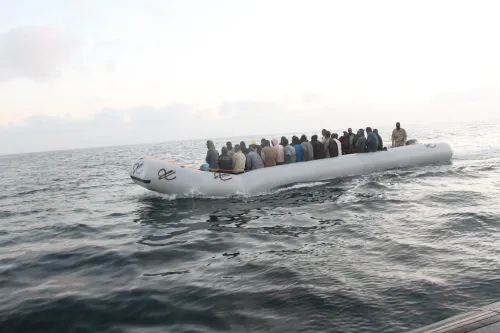
This incident follows a similar tragedy on 19 April 2025, when the Libyan Red Crescent reported that four undocumented migrants were rescued and six bodies recovered after a rubber boat capsized off the same eastern city of Tobruk following a distress call. Search operations for additional missing persons were still continuing at the time of that report.
Notably, this is the second documented boat disaster off Tobruk within a fortnight, underscoring the persistent danger along this stretch of coastline. Crossings typically surge between March and September, when calmer Mediterranean weather improves the odds of reaching Europe's northern shores, according to Xinhua news agency.
Libya's Role as a Migration Hub
Libya remains one of the primary transit points for irregular migrants attempting to reach Europe, owing to its long Mediterranean coastline and geographic proximity to the continent. The country's fractured political landscape and limited coast guard capacity have long made it difficult to police the vast stretches of sea from which boats depart.
The International Organization for Migration (IOM) reported that 27,116 migrants had been intercepted and returned to Libya so far in 2025. During the same period, 1,314 migrants were killed or reported missing along the central Mediterranean route — one of the world's deadliest migration corridors, according to the IOM.
Broader Context and What Comes Next
The central Mediterranean route has claimed thousands of lives over the past decade, with international bodies repeatedly calling for coordinated search-and-rescue mechanisms and legal migration pathways. Critics argue that interception-and-return policies, while reducing arrivals in Europe, push migrants toward riskier departures and less seaworthy vessels. As summer approaches and sea conditions improve, humanitarian organisations warn that crossing numbers — and casualties — are likely to rise further in the months ahead.
Point of View
314 deaths on the central Mediterranean route in just four months of 2025 should be treated as a crisis indicator, not a footnote. Interception-and-return operations reduce European arrival numbers but do not reduce departures; they displace risk onto more desperate people in less seaworthy vessels. As summer approaches, the absence of a coordinated EU-Libya search-and-rescue framework means the death toll will almost certainly climb — and the accountability gap will remain as wide as ever.
NationPress
19 Sept 2026
Frequently Asked Questions
What happened off Libya's Tobruk coast on 30 April 2025?
A boat carrying migrants broke down off Libya's eastern coast and was stranded for eight days before rescue teams responded. Seven people were rescued alive and 17 bodies were recovered, according to the Libyan Red Crescent.
Who carried out the rescue operation?
The rescue was conducted by a patrol vessel from the naval base in Tobruk, in coordination with Libyan National Army naval units and the eastern Libya Coast Guard. The operation lasted more than eight hours.
How many migrants have died on the central Mediterranean route in 2025?
According to the International Organization for Migration, 1,314 migrants were killed or reported missing along the central Mediterranean route in 2025 up to the time of this report. It is considered one of the world's deadliest migration corridors.
Why is Libya a major departure point for migrants?
Libya's long Mediterranean coastline and geographic proximity to Europe make it a primary transit hub for irregular migrants. Its fractured political situation limits effective coast guard enforcement, and crossings typically increase between March and September when sea conditions are calmer.
Was there a previous incident near Tobruk recently?
Yes. On 19 April 2025, the Libyan Red Crescent reported that four undocumented migrants were rescued and six bodies recovered after a rubber boat capsized off Tobruk following a distress call. Search operations for additional missing persons were ongoing at the time.