Sudan drone strikes kill 19 civilians in Blue Nile State
Synopsis
Volunteer groups say drone strikes on Damazin and Al-Roseires killed around 19 civilians, including six women from three families, and hit the Al-Roseires dam. They blame the RSF as UN data already put drone-related civilian deaths above 1,630 from the start of 2026 through October.
Key Takeaways
Around 19 civilians were killed and more than 20 injured in drone attacks on Damazin and Al-Roseires in Blue Nile State .
Attacks began on Tuesday morning; an eyewitness said four drones hit Damazin neighbourhoods that evening.
Emergency Lawyers reported 19 dead and 15 injured, from three families , including six women .
Sudan Doctors Network reported 17 dead and more than 14 injured, and called for a UN investigation.
Drones also struck the Al-Roseires dam and power-generation facilities, according to volunteer groups.
The UN earlier said more than 1,630 civilians were killed in drone attacks in Sudan from the start of 2026 to the end of October .
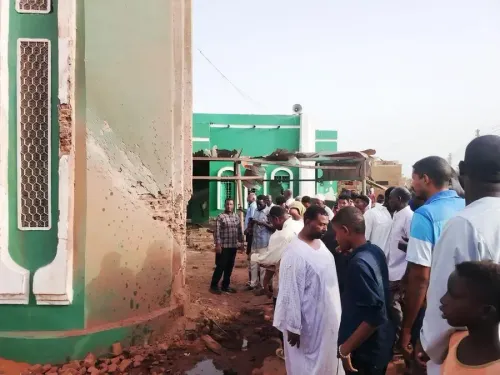
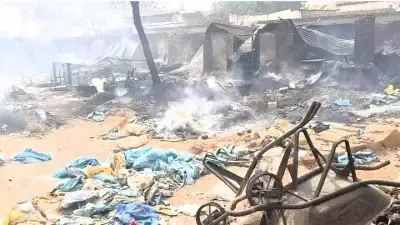
Around 19 civilians were killed and more than 20 others injured in drone attacks on Damazin and Al-Roseires in Sudan's southeastern Blue Nile State, eyewitnesses and volunteer groups said on Wednesday. The strikes began on Tuesday morning and continued into the evening, hitting residential neighbourhoods and power infrastructure. Volunteer organisations attributed the attacks to the paramilitary Rapid Support Forces (RSF) and urged an independent international investigation.
Key developments in Damazin
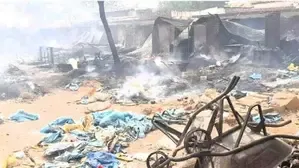
An eyewitness in Damazin said the attacks started on Tuesday morning and lasted until evening, with most casualties occurring during the evening strikes. Four drones targeted residential neighbourhoods in the city that evening, the witness added.
The Emergency Lawyers, a voluntary rights group, said in a statement that Tuesday evening strikes hit multiple neighbourhoods in Damazin, killing 19 civilians and injuring 15 others. The victims belonged to three families and included six women, according to reports.
The Sudan Doctors Network also accused the RSF of carrying out the attacks, reporting that 17 civilians had been killed and more than 14 others injured. The network said the victims were struck inside their homes and in surrounding areas, and that its verified information indicated the targeted area was residential.
Strikes on the Al-Roseires dam
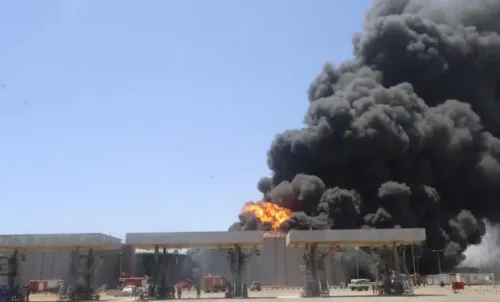
In Al-Roseires, drones also struck the dam, power-generation facilities and electrical installations, according to the Emergency Lawyers. The group warned that strikes on residential neighbourhoods and vital infrastructure endanger civilian lives and threaten access to essential services.
This comes amid repeated attacks on populated areas and essential service facilities in several Sudanese regions. Volunteer groups said damage to generation and electrical installations risks cutting power for households and basic services in Blue Nile State.
Who volunteer groups hold responsible
Both the Emergency Lawyers and the Sudan Doctors Network held the RSF responsible. The doctors' network called on the United Nations, the UN Human Rights Council and relevant international mechanisms to launch an independent investigation, document the violations and hold those responsible accountable.
Notably, the two volunteer tallies differ slightly on fatalities — 19 versus 17 — underscoring how rapidly casualty figures are being compiled from the ground. Sudan has been embroiled in an armed conflict between the Sudanese Armed Forces and the RSF since April 2023, leaving tens of thousands dead and millions displaced, both inside and outside the country.
Wider drone campaign and UN figures
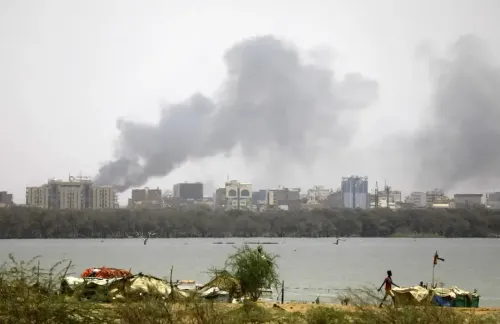
The latest attacks come amid an escalation in the use of drones in Sudan's military operations. In recent months, drone strikes have increasingly targeted residential areas, civilian facilities and vital infrastructure across several states, causing civilian casualties and displacement and disrupting essential services.
Earlier in November, the UN reported that more than 1,630 civilians had been killed in drone attacks across Sudan between the beginning of 2026 and the end of October, highlighting the growing threat these strikes pose to civilians. Several regions, including Darfur, Kordofan, Blue Nile and Khartoum, have witnessed repeated drone attacks on populated areas and essential service facilities, raising concerns about the humanitarian consequences of continued attacks on civilian infrastructure.
What happens next
Volunteer groups have asked UN human rights mechanisms to investigate and document the Damazin and Al-Roseires strikes. Residents in Blue Nile remain exposed if drone operations continue over densely populated neighbourhoods and power facilities. Further verification of the Tuesday evening death toll is likely as lists from the Emergency Lawyers and the Sudan Doctors Network are compared.
Point of View
They are a civilian-killing system. Volunteer tallies of 17 and 19 dead in a single evening, set against a UN count of more than 1,630 drone-related civilian deaths through October 2026, show how little restraint remains over homes, dams and power plants. Blaming the RSF is a serious charge that still requires independent verification the UN has been asked, yet again, to provide. Until investigations move faster than the next strike, accountability will lag the body count.
NationPress
25 Nov 2026
Frequently Asked Questions
How many civilians were killed in the Sudan drone attacks in Blue Nile State?
Volunteer groups said around 19 civilians were killed and more than 20 others injured in drone attacks on Damazin and Al-Roseires. Emergency Lawyers reported 19 dead and 15 injured, while the Sudan Doctors Network reported 17 dead and more than 14 injured.
Who is being blamed for the Damazin and Al-Roseires drone strikes?
The Emergency Lawyers and the Sudan Doctors Network held the paramilitary Rapid Support Forces (RSF) responsible. The doctors' network asked the United Nations and the UN Human Rights Council to open an independent investigation.
What was hit besides residential areas in Blue Nile State?
In Al-Roseires, drones struck the dam, power-generation facilities and electrical installations, according to the Emergency Lawyers. The group warned that attacks on vital infrastructure threaten civilian access to essential services.
When did the drone attacks on Damazin take place?
An eyewitness said the attacks began on Tuesday morning and continued until evening, with most casualties during the evening strikes. Four drones targeted residential neighbourhoods in Damazin that evening, according to the witness.
How many civilians have been killed in drone attacks across Sudan in 2026?
The UN reported earlier in November that more than 1,630 civilians had been killed in drone attacks across Sudan between the beginning of 2026 and the end of October. Darfur, Kordofan, Blue Nile and Khartoum have seen repeated strikes on populated areas and service facilities.