Nepal avalanche: 2 bodies recovered from Himlung base camp in Manang
Synopsis
An avalanche struck the base camp of Mount Himlung in Nepal's Manang district, killing at least two people and leaving several expedition staff missing — just weeks after the Bhotekoshi disaster claimed over 1,400 lives. The incident hits at the very start of Nepal's high-stakes autumn climbing season, raising urgent questions about pre-season safety protocols under extreme weather.
Key Takeaways
Two bodies were recovered from the avalanche-hit base camp of Mount Himlung (7,126 m) in Manang, Nepal , on 27 September 2026 .
Nepal Police confirmed the deaths and said rescue and search operations are ongoing.
Himalayan Holidays GM Barun Bhandari reported more than half a dozen staff missing; over 20 from the company were at the base camp.
Imagine Nepal Private Limited also confirmed some of its staff were affected, without specifying numbers.
Trekking in high-altitude Manang areas had been banned from 25–27 September due to heavy rainfall and snowfall forecasts.
The avalanche follows a catastrophic Bhotekoshi flooding disaster that killed more than 1,400 people near the Nepal-China border just a month earlier.
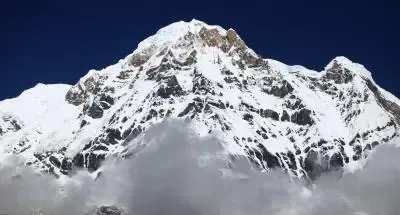
Two bodies have been recovered from the avalanche-hit base camp of Mount Himlung in Manang, a western mountainous district of Nepal, the Nepal Police confirmed on Sunday, 27 September 2026. The avalanche struck the base camp of the 7,126-metre peak while expedition guides and support staff from multiple companies were present, setting up infrastructure ahead of the autumn climbing season.
What Happened at the Base Camp
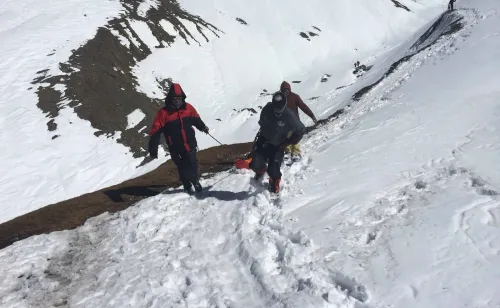
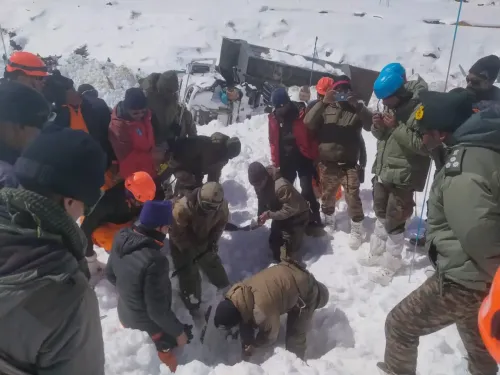
The avalanche swept through the base camp of Mount Himlung, burying several tents where advance-team members were stationed for pre-season rope-fixing and tent-setup operations. In a social media post, the Nepal Police confirmed two fatalities and stated that rescue and search operations were continuing at the site.
The victims were among expedition guides and support staff from various climbing companies who had arrived early to prepare the mountain ahead of the busy autumn expedition window.
Companies Report Staff Missing
Barun Bhandari, General Manager of Himalayan Holidays, said more than half a dozen of his staff members were missing after contact with them could not be established. He added that more than 20 staff members from the company were part of the base camp team at the time of the avalanche.
Separately, Imagine Nepal Private Limited, another expedition company, confirmed that some of its staff members were affected by the avalanche but declined to provide a precise count of those impacted.
Warnings Were Already in Place
The Manang Administration Office had prohibited trekking in several high-altitude areas from 25 to 27 September following forecasts of heavy to very heavy rainfall and snowfall across the higher Himalayan zones. The restriction was imposed following a decision by the District Security Committee, citing the risk of loss of life due to adverse weather.
Nepal has been experiencing incessant rainfall across multiple parts of the country since 24 September, with water levels in several rivers rising significantly. Authorities have advised people living along river corridors to move to higher ground.
A Country Still Reeling From Disaster
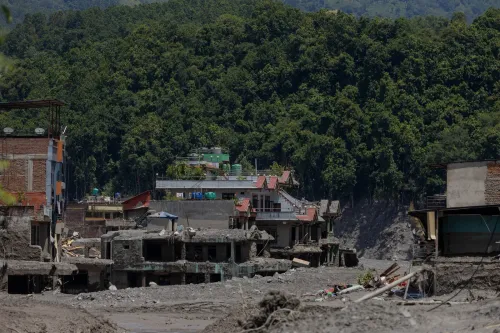
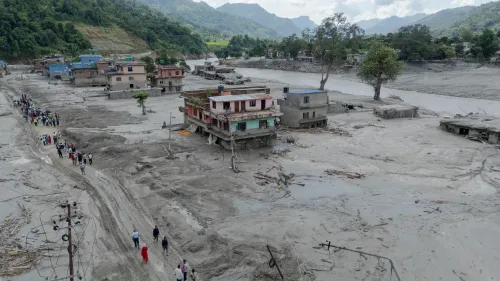
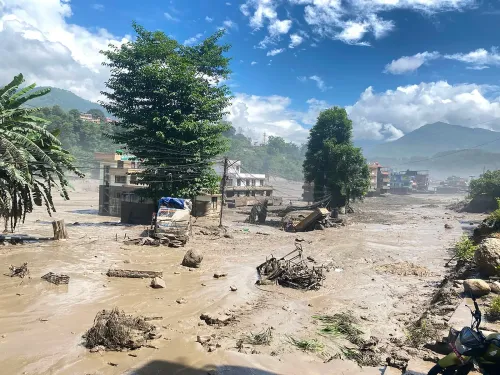
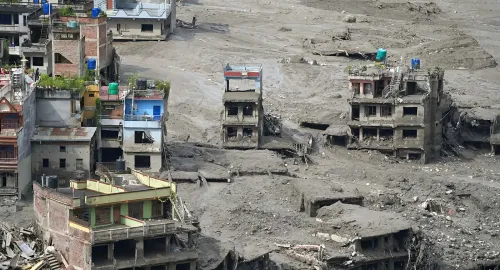
This incident comes just a month after a catastrophic flooding disaster near the Nepal-China border, triggered by a massive glacier collapse and landslide, that killed more than 1,400 people and left more than 5,000 missing in the Bhotekoshi valley. Nepal has since been actively urging tourists to visit, assuring that other parts of the country remain safe and that tourism — one of the nation's key revenue sources — continues to operate normally.
The Himlung avalanche, however, underscores the compounding risk environment facing Nepal as its autumn climbing season — typically among the busiest of the year — gets underway under exceptionally adverse weather conditions. Rescue teams are expected to continue operations as long as conditions permit.
Point of View
And it struck despite a pre-existing trekking ban that should have kept civilian traffic away. The fact that advance-team expedition staff were present regardless raises a pointed question about whether commercial climbing timelines are being prioritised over safety margins. Nepal's post-Bhotekoshi messaging has focused on reassuring tourists; the harder work is building a regulatory environment that keeps climbing operators accountable to weather protocols, especially at the start of a season when financial pressure to move fast is highest.
NationPress
27 Sept 2026
Frequently Asked Questions
What happened at the Himlung base camp in Nepal?
An avalanche struck the base camp of Mount Himlung in Nepal's Manang district on 27 September 2026, killing at least two people and leaving several expedition staff missing. The advance team was present to fix ropes and set up tents ahead of the autumn climbing season when the avalanche buried their tents.
How many people are missing after the Himlung avalanche?
Himalayan Holidays General Manager Barun Bhandari said more than half a dozen of his company's staff were unaccounted for after contact could not be established. The total missing figure across all companies had not been officially confirmed as rescue operations continued.
Were there any warnings before the Himlung avalanche?
Yes. The Manang Administration Office had banned trekking in several high-altitude areas from 25 to 27 September following forecasts of heavy to very heavy rainfall and snowfall. The District Security Committee had flagged the risk of loss of life due to adverse weather conditions.
How does this incident relate to Nepal's recent Bhotekoshi disaster?
The Himlung avalanche comes roughly a month after a catastrophic flooding event near the Nepal-China border, caused by a glacier collapse and landslide, which killed more than 1,400 people and left over 5,000 missing. Nepal has been trying to reassure tourists since then, making this fresh disaster a significant setback for the country's recovery narrative.
What is Mount Himlung, and why does it matter for Nepal's climbing season?
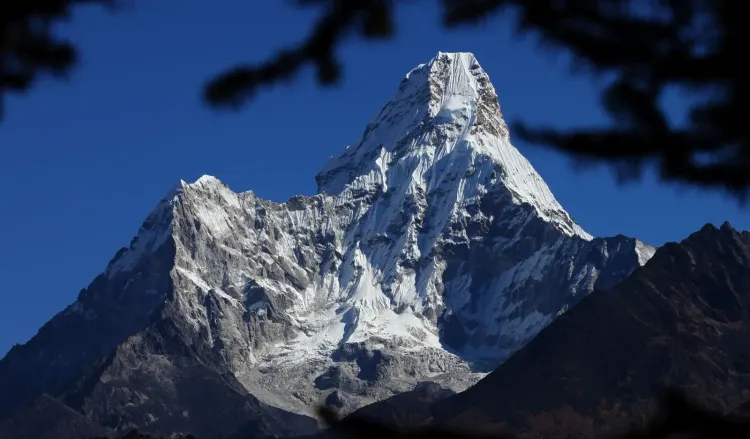
Mount Himlung is a 7,126-metre peak in Nepal's Manang district, popular with expedition teams during the autumn climbing season — one of Nepal's busiest and most economically important tourism periods. The disaster has struck at the very start of that season, disrupting preparations and raising safety concerns.