Balochistan Enforced Disappearances: 3 More Civilians Vanish
Synopsis
Pakistani security forces allegedly abducted three Baloch civilians including two women between April 14-22, 2025. Balochi writer Daad Shah was disappeared for the second time. Rights groups warn of collective punishment and intensifying repression as international bodies demand accountability from Islamabad.
Key Takeaways
Three Baloch civilians including two women, Sameena and Gull Banuk , were allegedly forcibly disappeared by Pakistani security forces between April 14 and April 22, 2025 .
Akhter Hussain , a 20-year-old mechanic from Panjgur district , was abducted by Frontier Corps (FC) personnel on April 19 .
Balochi writer Daad Shah , 28, was forcibly disappeared for the second time on April 21 ; he is the brother of Baloch Yakjehti Committee member Fozia Baloch .
International rights body Front Line Defenders says Pakistan operates with a high level of impunity against Baloch human rights defenders and their families.
Baloch Voice for Justice (BVJ) condemned the targeting of women, calling it collective punishment used to suppress dissent and silence communities.
Rights groups Paank and Front Line Defenders have called on Pakistani authorities to immediately end enforced disappearances and ensure the safety of all activists.
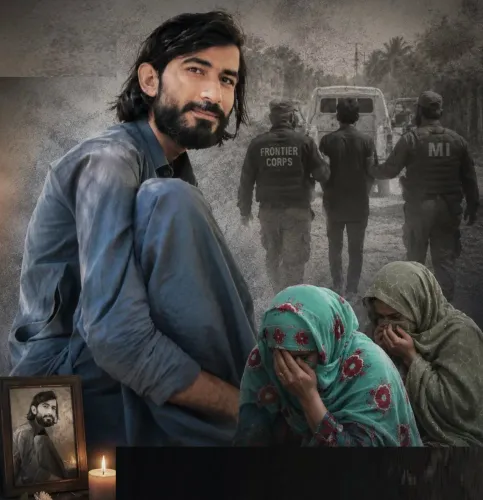
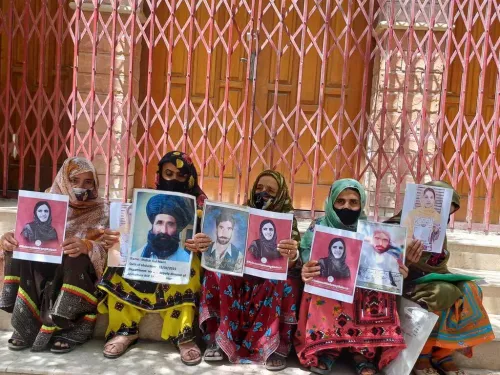
Quetta, April 24: Pakistani security forces have allegedly carried out the enforced disappearances of three more civilians in Balochistan, including two women, between April 14 and April 22, 2025, according to leading human rights organisations. The incidents, documented by Paank — the human rights wing of the Baloch National Movement — and Front Line Defenders, point to an escalating pattern of state-sponsored abductions targeting ordinary Baloch citizens, including women and writers.
Three Civilians Forcibly Disappeared in Separate Incidents
Sameena, a civilian woman, was allegedly abducted from her home in the Istakhli region of Khuzdar district on the night of April 22. According to Paank, personnel from Pakistan's Frontier Corps (FC) and Military Intelligence entered the residence, subjected family members to physical violence, and transferred Sameena to an undisclosed location.
Akhter Hussain, a 20-year-old mechanic from the Shapatan region of Panjgur district, was forcibly taken by FC personnel on April 19. His current whereabouts remain unknown.
In a separate incident, 22-year-old Gull Banuk was abducted during a late-night raid on April 14 from her home in the Singabad Karki region of Kech district. The operation was carried out jointly by the FC and the Counter Terrorism Department (CTD). Rights groups warn she faces grave risk of harm.
Rights Groups Issue Sharp Condemnation
The Baloch Voice for Justice (BVJ) issued a strongly worded statement condemning the abductions, particularly the targeting of women. BVJ stated that the enforced disappearance of Baloch women is being carried out in the name of so-called security and that these actions amount to collective punishment against entire communities.
The organisation further warned that women, who are already vulnerable, are being used as tools of pressure to silence families and suppress dissent, and that such practices violate basic human rights and undermine the rule of law.
Balochi Writer Disappeared for Second Time
In a particularly alarming case, 28-year-old Balochi writer Daad Shah was reportedly forcibly disappeared for the second time on April 21. He is the brother of Fozia Baloch, a prominent member of the Baloch Yakjehti Committee (BYC).
International human rights body Front Line Defenders described the abduction as a deliberate attempt to suppress the human rights activism of his sister Fozia. The organisation noted that documented violence against human rights defenders, especially those from religious or ethnic minorities such as the Baloch, has intensified over the past years.
Front Line Defenders further stated that the authorities in Pakistan appear to act with a high level of impunity against its citizens and human rights defenders, and called on Islamabad to immediately end reprisals against Baloch activists and their family members.
A Systemic Pattern of Repression in Balochistan
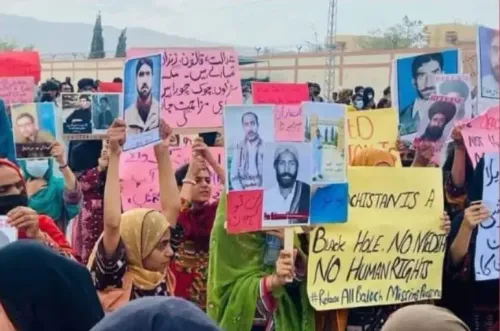
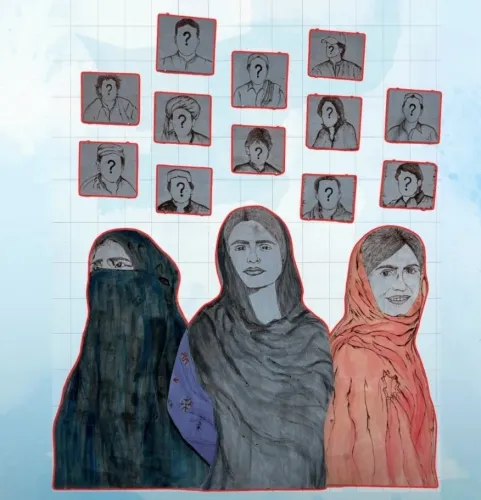
These latest disappearances are not isolated incidents. Balochistan has been at the centre of a decades-long conflict between Pakistani security forces and Baloch nationalist groups. Human rights organisations have documented thousands of enforced disappearances in the region since the early 2000s, with victims rarely surfacing through legal channels.
The targeting of women and family members of activists marks a disturbing escalation, suggesting that security agencies are now using collective punishment as a strategy to silence dissent. Critics argue this mirrors tactics used in conflict zones internationally, where civilians are targeted to demoralise resistance movements.
Notably, the Pakistan Commission of Inquiry on Enforced Disappearances has itself acknowledged thousands of pending cases over the years, yet accountability remains virtually absent. The UN Human Rights Council and multiple international bodies have repeatedly urged Pakistan to address the crisis, with little visible progress.
International Pressure Mounts on Pakistan
The international community's patience with Islamabad on the Balochistan issue appears to be thinning. Front Line Defenders has specifically called on Pakistani authorities to ensure that all human rights defenders in Pakistan are able to carry out their work with dignity and safety.
With Pakistan currently navigating complex diplomatic relationships — including its role in regional security frameworks and its engagement with international financial institutions — the continued documentation of such abuses by credible global bodies adds significant reputational pressure on the government.
As more cases come to light and international scrutiny intensifies, the question of whether Pakistan will face concrete diplomatic or legal consequences over its treatment of Baloch civilians remains a critical one to watch in the weeks ahead.
Point of View
Systematic strategy of state terror. What is particularly alarming is that Daad Shah's second disappearance directly follows his sister's activism, exposing a deliberate pattern of punishing dissent through families. Pakistan's security establishment continues to operate with staggering impunity, even as it courts international legitimacy on global platforms. India and the international community must treat these documented abuses not as internal Pakistani affairs, but as a regional human rights emergency demanding urgent multilateral response.
NationPress
25 Sept 2026
Frequently Asked Questions
Who were the three civilians disappeared in Balochistan in April 2025?
The three civilians are Sameena, abducted from Khuzdar on April 22, Akhter Hussain, a 20-year-old mechanic taken from Panjgur on April 19, and Gull Banuk, a 22-year-old woman abducted from Kech district on April 14. All three were allegedly taken by Pakistani Frontier Corps and intelligence personnel.
Who is Daad Shah and why was he disappeared?
Daad Shah is a 28-year-old Balochi writer and the brother of Fozia Baloch, a member of the Baloch Yakjehti Committee. He was forcibly disappeared for the second time on April 21, 2025, with rights group Front Line Defenders saying the abduction was aimed at suppressing his sister's human rights work.
What is Paank and what role does it play in Balochistan?
Paank is the Human Rights Department of the Baloch National Movement. It documents enforced disappearances, extrajudicial actions, and human rights violations carried out by Pakistani security forces in Balochistan, and regularly issues condemnations and reports on such incidents.
Why are women being targeted in Balochistan disappearances?
Rights groups like Baloch Voice for Justice say women are being targeted as a form of collective punishment to pressure families and silence dissent. BVJ states that women are being used as tools of pressure by security forces operating under the cover of counter-terrorism operations.
What has the international community said about enforced disappearances in Balochistan?
Front Line Defenders has condemned the disappearances and stated that Pakistan's authorities act with a high level of impunity against human rights defenders. The organisation has called on Islamabad to end reprisals and ensure the safety of all human rights activists in Pakistan.