DR Congo: Over 300 killed in M23-held areas in June–July, govt says
Synopsis
Just two days after the DRC and M23 announced a joint peace roadmap under the Doha framework, Kinshasa released a sweeping atrocity count — over 300 killed, 300 tortured, and hundreds kidnapped or raped in M23-held territory during June and July alone. The timing exposes the central contradiction of the Congo peace process: negotiations advancing on paper while alleged mass atrocities continue on the ground.
Key Takeaways
The DRC government reported more than 300 killings in M23 -controlled areas during June and July 2025 , including summary executions, massacres, and bombings.
Authorities also documented more than 300 cases of torture — including against students — alongside hundreds of rape, kidnapping, and forced recruitment cases.
The M23 is accused of imposing illegal levies in the education and health sectors and burning civilian homes.
The accusations came just two days after the DRC and M23 announced a joint peace roadmap under the Doha framework .
The M23 has intensified its offensive in North Kivu and South Kivu since January 2025 , with Qatar mediating ongoing talks.
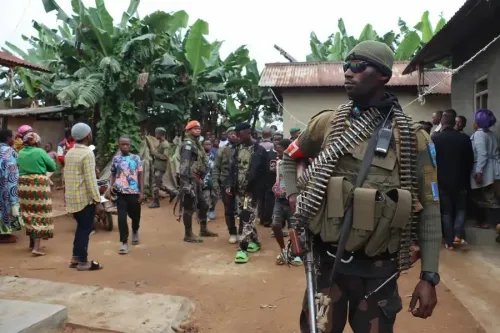
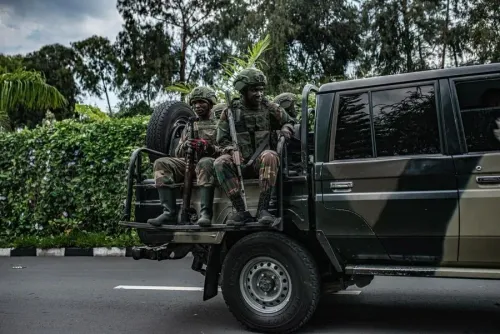
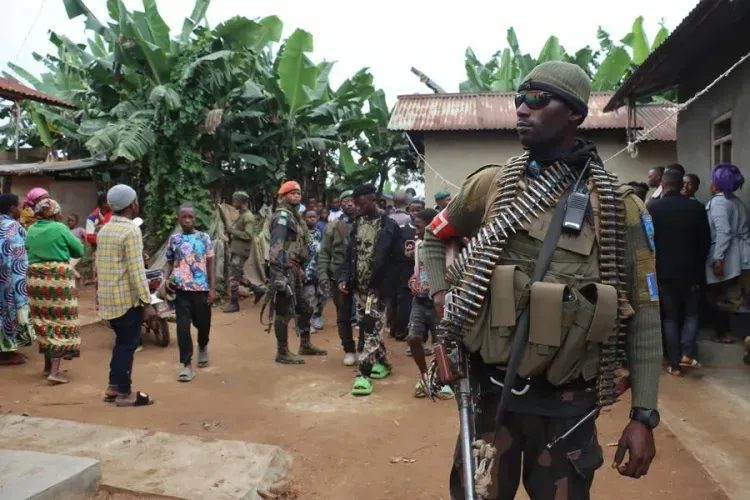
The government of the Democratic Republic of the Congo (DRC) said on Monday, 24 August that more than 300 people were killed through summary executions, massacres, and bombings in territories controlled by the March 23 Movement (M23) rebel group during June and July 2025. The accusations, detailed in an official statement from the DRC Ministry of Communication and Media, mark one of the most comprehensive government tallies of alleged M23 atrocities since the group intensified its eastern offensive earlier this year.
Scale of Alleged Atrocities
Beyond the death toll, the DRC government reported hundreds of cases of rape, more than 300 cases of torture — including against students — as well as hundreds of kidnappings and instances of forced recruitment. Officials also accused the M23 of imposing illegal levies in the education and health sectors, looting property, and setting fire to civilian homes in areas under its control.
Violations of International Law, Government Says
The government statement described the alleged acts as 'crimes and serious violations of human rights and international humanitarian law' committed against civilians. According to the statement, these actions violate the sovereignty and territorial integrity of the DRC and run counter to ongoing peace efforts, including the Doha process.
Timing: Accusations Follow Peace Talks Progress
The accusations came just two days after both sides announced progress in negotiations. In a joint statement issued on Saturday, 22 August, the DRC government and the M23 said they had agreed on a roadmap laying out sequenced steps and timelines for negotiations under the Doha framework agreement. The two parties also agreed to establish a mechanism to review progress and address implementation challenges, while welcoming advances in operationalising a joint ceasefire verification mechanism.
Notably, this is not the first such juxtaposition of diplomatic progress and battlefield accusations — a pattern that has complicated international efforts to stabilise eastern Congo throughout 2025.
Background: M23's Eastern Offensive and Qatar's Mediation
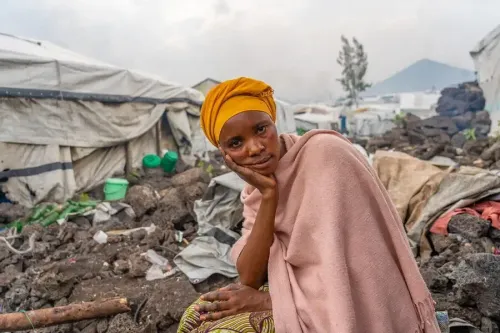
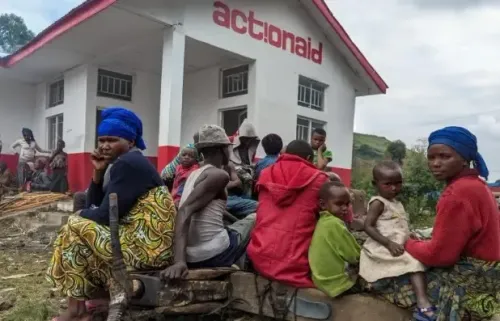
Since January 2025, the M23 has intensified offensives in the eastern provinces of North Kivu and South Kivu, displacing hundreds of thousands of civilians and drawing condemnation from regional and international bodies. Under Qatar's mediation, the DRC government and the M23 signed a declaration of principles in Doha in July 2025 and a framework agreement in November 2025, both committing to continued negotiations toward a comprehensive peace settlement. Whether the latest government allegations will derail or complicate those negotiations remains to be seen.
Point of View
Released two days after a joint peace roadmap was announced, is not coincidental — it is a pressure tactic. Kinshasa is signalling to international mediators and the M23 alike that diplomatic progress cannot paper over alleged mass crimes. The deeper problem is structural: the Doha framework has produced declarations and timelines but no enforceable accountability mechanism. Without one, each round of negotiations risks becoming a pause in hostilities rather than a path to justice. The international community's silence on verification — who counts the dead, who investigates the rapes — is the gap that makes both the atrocity figures and the peace promises equally unverifiable.
NationPress
9 Oct 2026
Frequently Asked Questions
What did the DRC government report about killings in M23-held areas?
The DRC government said more than 300 people were killed through summary executions, massacres, and bombings in territories controlled by the M23 rebel group during June and July 2025. The figures were detailed in an official statement from the DRC Ministry of Communication and Media.
What other human rights violations were alleged against the M23?
Beyond the killings, the DRC government reported hundreds of rape cases, more than 300 cases of torture including against students, and hundreds of kidnappings and forced recruitments. The M23 was also accused of imposing illegal levies in education and health sectors and burning civilian homes.
What is the current status of peace talks between the DRC and M23?
As of 22 August, the two sides announced a joint roadmap with sequenced steps and timelines under the Doha framework agreement. They also agreed to establish a progress-review mechanism and welcomed advances in a joint ceasefire verification body, though implementation remains ongoing.
What is the Doha peace process in the DR Congo conflict?
The Doha process is a Qatar-mediated diplomatic framework between the DRC government and the M23. The two sides signed a declaration of principles in Doha in July 2025 and a framework agreement in November 2025, both aimed at reaching a comprehensive peace settlement in eastern Congo.
Which regions of DR Congo have been most affected by the M23 offensive?
The M23 has intensified its offensive in the eastern provinces of North Kivu and South Kivu since January 2025, areas that have been the epicentre of conflict and civilian displacement throughout the year.