Afghanistan drug bust: 614 kg of opium seized from ambulance in Takhar
Synopsis
Afghan counter-narcotics police intercepted a private ambulance disguised as a patient transport vehicle in Takhar province and found 614 kg of opium inside — the latest in a wave of high-profile drug busts that has also seen over three tonnes burned publicly in the same province within a fortnight, pointing to both an emboldened trafficking network and an intensifying crackdown.
Key Takeaways
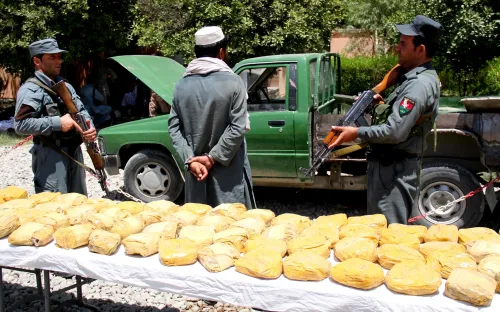
Counter-narcotics police seized 614 kg of opium from a private ambulance in Taluqan , Takhar province , on 9 October 2026 .
The ambulance was travelling from Badakhshan province and was disguised as a vehicle carrying a patient.
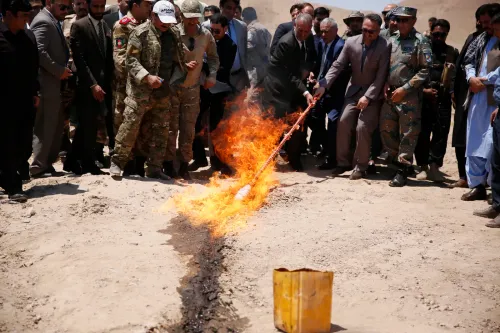
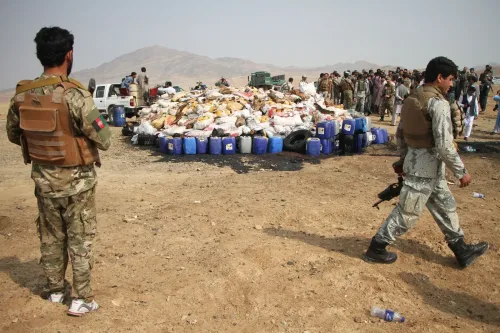
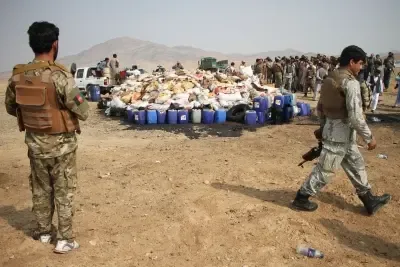
On 30 September , authorities publicly burned over three tonnes of illegal drugs — including opium, hashish, and stimulant tablets — in the same province.
A separate operation in Panjshir resulted in the seizure and burning of 321 kg of drugs , including 250 kg of opium .
On 20 September , Afghanistan's Ministry of Interior Affairs reported 60 arrests and 29 kg of narcotics seized across 12 provinces .
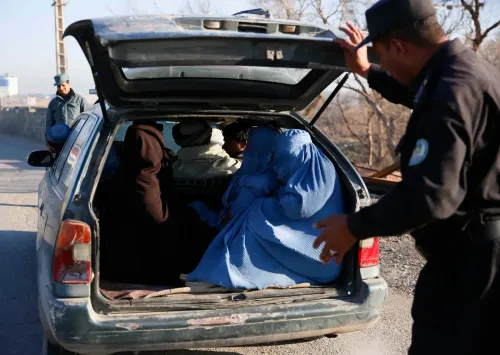
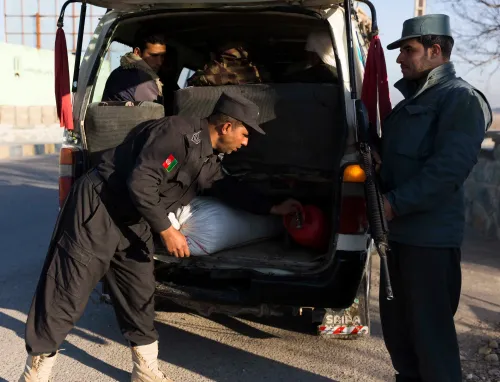
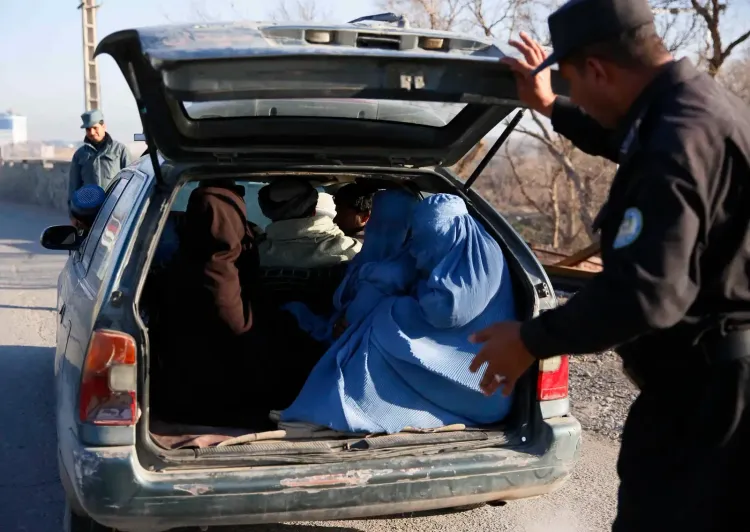
Counter-narcotics police in Afghanistan's northern Takhar province seized 614 kg of opium from a private ambulance on Thursday, 9 October 2026, in one of the more brazen smuggling attempts reported in the region this year. Provincial police spokesman Naqibullah Masroor confirmed the seizure, describing how officers intercepted the vehicle in Taluqan, the provincial capital, as it travelled from neighbouring Badakhshan province.
How the Smuggling Attempt Was Uncovered
The ambulance had been disguised as a vehicle transporting a patient, according to Masroor. Counter-narcotics police, acting on unspecified intelligence, stopped and searched the vehicle during early morning hours, discovering the narcotics concealed inside. The spokesman did not provide further details on the number of suspects detained or the intended destination of the consignment.
A Pattern of Escalating Seizures in Takhar
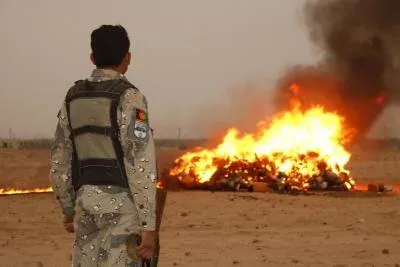
The ambulance bust is the latest in a series of significant drug seizures recorded in Takhar in recent weeks. On 30 September, Afghan authorities publicly burned more than three tonnes of illegal drugs in the same province — a haul that included three tonnes of opium, 198 kg of hashish, and 175 stimulant tablets locally referred to as 'Tablet K'. That contraband had been accumulated through a series of operations conducted over the previous two months, Masroor said at the time.
In a separate operation, police reportedly seized and publicly burned 321 kg of illegal drugs — including 250 kg of opium — in the eastern province of Panjshir. The public burnings are part of a deliberate deterrence strategy, carried out in the presence of local government officials and residents.
Nationwide Counter-Narcotics Drive
The spate of provincial seizures reflects a broader crackdown underway across Afghanistan. On 20 September, Afghanistan's Ministry of Interior Affairs announced that counter-narcotics police had arrested 60 individuals suspected of involvement in the illicit drug trade and seized 29 kg of narcotics during operations spanning 12 provinces — including Nimroz, Balkh, Nangarhar, Kapisa, Laghman, Kunduz, Samangan, Parwan, Badakhshan, Khost, Panjshir, and Farah. The ministry's statement did not specify the types of drugs seized or the identities of those detained.
Authorities have warned that stern action will be taken against anyone found producing or trafficking narcotics. Masroor stated that the counter-narcotics police 'will not allow anyone to produce illegal drugs or traffic them out of the province.'
Why This Matters
Afghanistan has historically been the world's largest producer of opium, and the use of legitimate vehicles such as ambulances to move narcotics signals the adaptability of trafficking networks. This is not the first time emergency vehicles have been implicated in drug smuggling in the region. Analysts note that while high-profile seizures and public burnings demonstrate enforcement intent, the structural drivers of the trade — poverty, weak border controls, and demand from regional and global markets — remain largely unaddressed. The coming months will indicate whether the current enforcement surge translates into a sustained reduction in trafficking activity.
Point of View
Making routine interdiction harder. The frequency of large seizures in Takhar within a single month suggests either a genuine enforcement surge or that the sheer volume of narcotics in circulation is so high that even aggressive policing captures only a fraction. Afghanistan's historical status as the world's dominant opium producer means that until demand-side and economic-alternative policies are credibly implemented, these seizures — however dramatic — are unlikely to significantly alter the trade's trajectory. The public burning of confiscated drugs, while symbolically powerful, also raises questions about chain-of-custody accountability and whether all seized material is consistently accounted for before destruction.
NationPress
9 Oct 2026
Frequently Asked Questions
How much opium was seized from the ambulance in Afghanistan?
Police seized 614 kg of opium from a private ambulance intercepted in Taluqan, the capital of Takhar province, on 9 October 2026. The vehicle had been disguised as transporting a patient and was travelling from Badakhshan province.
Who confirmed the ambulance drug seizure in Takhar?
Provincial police spokesman Naqibullah Masroor confirmed the seizure. He stated that counter-narcotics police stopped and searched the ambulance during early Thursday morning hours, though he did not provide further details on suspects or the intended destination.
What other drug seizures have taken place in Afghanistan recently?
On 30 September 2026, Afghan authorities burned over three tonnes of illegal drugs — including opium, hashish, and stimulant tablets — in Takhar province. Separately, 321 kg of drugs were seized and burned in Panjshir, and on 20 September, 60 individuals were arrested across 12 provinces with 29 kg of narcotics confiscated.
Why is Afghanistan significant in the global drug trade?
Afghanistan has historically been the world's largest producer of opium. The country's illicit drug economy is sustained by factors including widespread poverty, porous borders, and consistent international demand, making enforcement-only strategies difficult to sustain without broader structural reforms.
What action is Afghanistan taking against drug trafficking?
Afghan authorities have launched a nationwide counter-narcotics campaign targeting traffickers, cultivators, and production networks. Tactics include public burning of seized drugs in the presence of officials and residents, mass arrest operations across multiple provinces, and warnings of stern legal action against violators.