Kabul anti-narcotics sweep: 157 arrested, 400 kg drugs seized in a month
Synopsis
Afghan authorities arrested 157 people and seized over 400 kg of narcotics in Kabul in a single month — while simultaneous provincial sweeps pulled more than 800 kg of raw opium off trafficking routes spanning Kunduz, Takhar, Ghor, and Wardak. The scale and geographic spread point to a coordinated national enforcement push, not routine policing.
Key Takeaways
157 individuals arrested in Kabul on drug trafficking charges over the past month, per the Ministry of Interior Affairs .
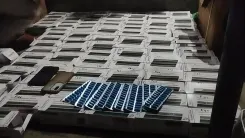
Approximately 400 kg of narcotics and nearly 10,000 stimulant tablets seized in the capital.
More than 800 kg of raw opium confiscated across Kunduz , Takhar , Ghor , and Wardak provinces over three days.
A 48 kg opium haul intercepted in Wardak on Monday; smuggler was allegedly moving contraband from Balkh to Farah .
Earlier operations on 22 August (Takhar, 190 kg) and 16 July (Badakhshan, 241 kg) reflect a sustained enforcement pattern.
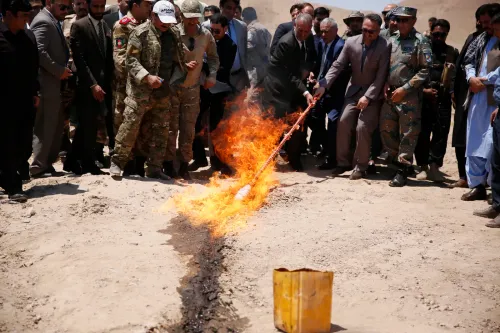
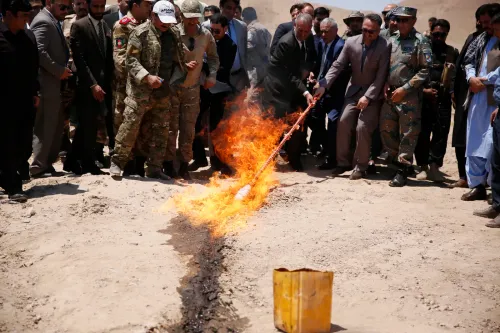
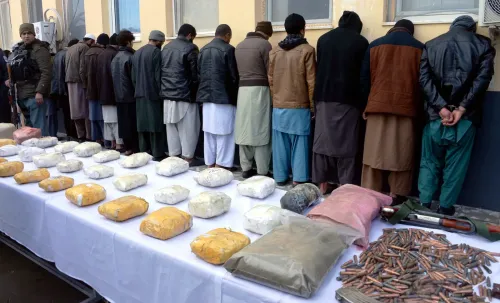
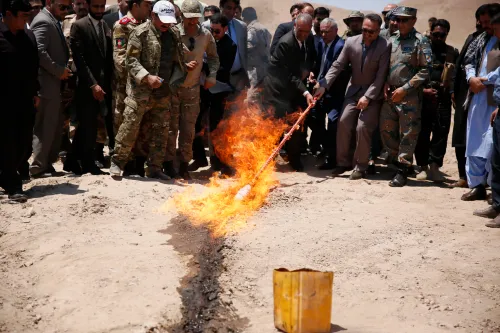
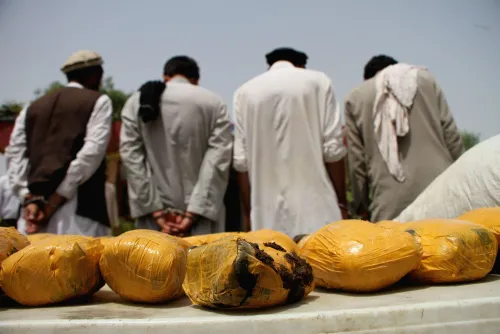
Afghan authorities have arrested 157 individuals on charges of drug trafficking and procurement, seizing approximately 400 kg of narcotics in the capital Kabul over the past month, the Ministry of Interior Affairs announced in a statement on Tuesday, 25 August. The operation marks one of the more sweeping counter-narcotics drives conducted in the capital in recent months.
How the Operations Were Conducted
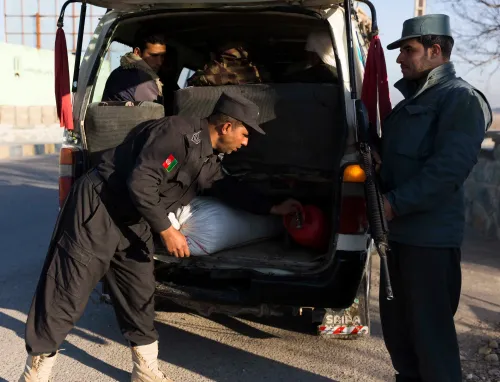
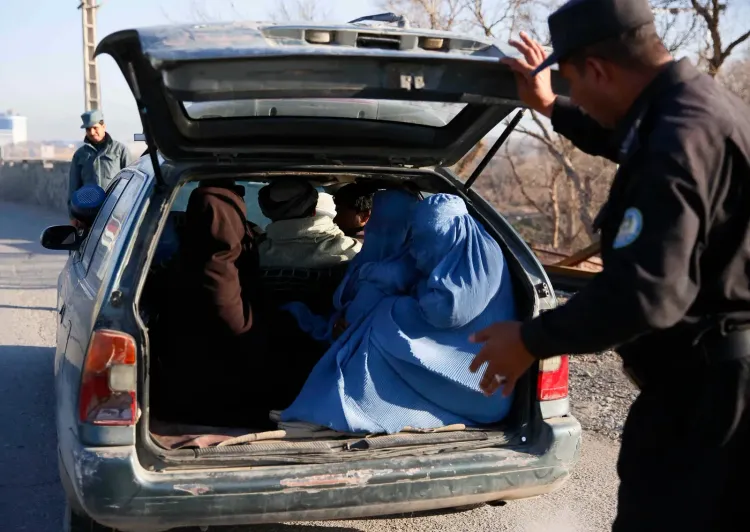
The arrests and seizures were carried out through a combination of targeted counter-narcotics operations and routine vehicle inspections across Kabul, according to the ministry. In addition to the bulk narcotics, nearly 10,000 stimulant tablets were recovered from detained suspects during the security sweep.
Seizures Across Provinces
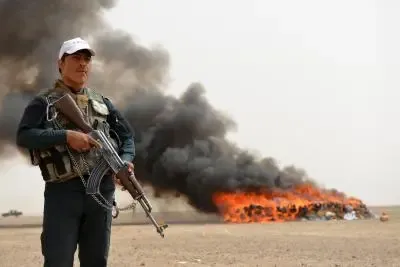
In a parallel crackdown beyond the capital, counter-narcotics police confiscated more than 800 kg of raw opium across the provinces of northern Kunduz, Takhar, western Ghor, and eastern Wardak over a three-day period. On Monday, provincial police in Wardak intercepted a vehicle and recovered 48 kg of illegal opium-type drugs after acting on a tip-off. The alleged smuggler was reportedly attempting to move the contraband from northern Balkh province to western Farah and then onward to an unspecified destination; the suspect is in custody pending handover to the judiciary.
On 22 August, police in northern Takhar province reported the discovery of 190 kg of opium and the arrest of a drug smuggler. Earlier, on 8 August, Afghan police seized an undisclosed quantity of narcotics and arrested six individuals in Takhar, with provincial police spokesman Nizamuddin Omir confirming the drugs had been concealed in vehicles.
Earlier Operations Reflect a Pattern
On 16 July, Afghan police seized 241 kg of illicit drugs and arrested nine suspects during two separate operations in northeastern Badakhshan province, according to official media. Special police forces discovered the narcotics during raids in the Pul-e Begum and Tashkan areas, recovering drugs from both a vehicle and a residential property. This is the latest in a series of enforcement actions that Afghan authorities say reflect a sustained commitment to dismantling trafficking networks across the country.
Broader Context
Afghanistan has long been identified as the world's largest producer of opium, and counter-narcotics enforcement has been a stated priority of the current administration. The successive operations — spanning Kabul, Kunduz, Takhar, Wardak, Ghor, and Badakhshan — suggest a coordinated, multi-province strategy rather than isolated policing. All suspects remain under investigation, with cases referred to relevant judicial authorities.
Point of View
But the more telling detail is the geographic spread — Kabul, Kunduz, Takhar, Ghor, Wardak, Badakhshan. That is not routine policing; it suggests either a coordinated national enforcement directive or a trafficking network broad enough to demand one. What remains unverified is whether these arrests translate into prosecutions, or whether, as has historically been the pattern in Afghanistan, custody precedes release without consequence. The 10,000 stimulant tablets recovered alongside bulk opium also point to a diversifying narcotics economy — not just traditional opiates but synthetic stimulants, a shift seen across South and Central Asia. Without independent verification of conviction rates, the headline numbers risk functioning as enforcement optics rather than evidence of structural disruption.
NationPress
9 Oct 2026
Frequently Asked Questions
How many people were arrested in the Kabul anti-narcotics operation?
Afghan authorities arrested 157 individuals on charges of drug trafficking and procurement in Kabul over the past month, according to the Ministry of Interior Affairs. The arrests were made during targeted counter-narcotics operations and routine vehicle inspections across the city.
How much narcotics was seized in the Kabul sweep?
Approximately 400 kg of narcotics and nearly 10,000 stimulant tablets were confiscated from suspects in Kabul . Separately, more than 800 kg of raw opium was seized across northern and western provinces over three days.
Which Afghan provinces were targeted in the broader crackdown?
Counter-narcotics operations were conducted across Kunduz , Takhar , Ghor , Wardak , and Badakhshan provinces, in addition to the capital Kabul . The operations involved vehicle interceptions, raids on residential properties, and tip-off-based arrests.
What will happen to the arrested suspects?
The suspects are in police custody and are being investigated. According to authorities, cases will be referred to the judiciary after the completion of preliminary investigations. All suspects are currently under investigation by relevant authorities.
Is this part of a wider Afghan counter-narcotics strategy?
Afghan authorities have stated a sustained commitment to combating drug trafficking across the country. The successive operations — spanning multiple provinces over several weeks — suggest a coordinated enforcement drive rather than isolated incidents, though independent verification of outcomes remains limited.