Major Anti-Drug Crackdown: 80 Arrested Across Afghanistan
Synopsis
Afghan authorities arrested 80 drug trafficking suspects in sweeping multi-province raids, seizing hashish, heroin materials, and narcotic tablets. The operation is part of a sustained national crackdown that has already seen over 100 kg of narcotics publicly burned in Khost — as Afghanistan pushes to shed its decades-long identity as the world's top opium producer.
Key Takeaways
80 suspects arrested across multiple Afghan provinces in coordinated counter-narcotics raids, confirmed by the Ministry of Interior Affairs on April 26, 2025 .
Seized contraband includes hashish, narcotic tablets , and heroin production materials, reflecting the breadth of Afghanistan's drug supply chain.
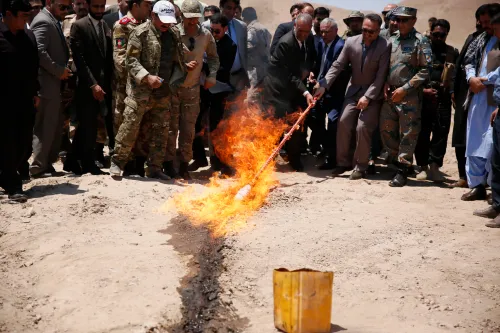
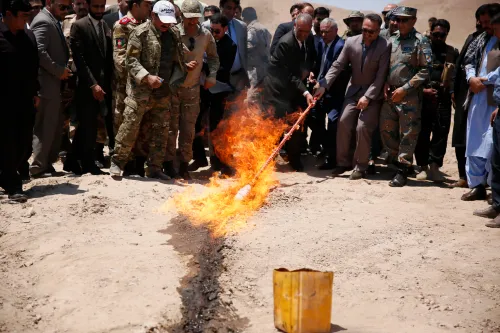
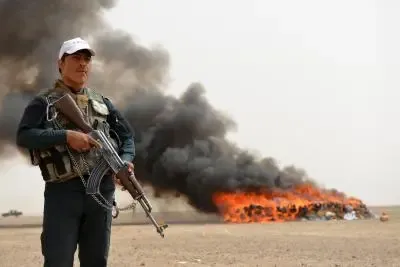
On April 15 , authorities in Khost province publicly burned over 100 kg of mixed narcotics , including opium poppy and stimulant pills known as Tablet K .
On February 23 , two smugglers were arrested in Takhar province with 41 kg of illicit drugs — 29 kg opium poppy and 12 kg hashish.
The Afghan government has destroyed hundreds of acres of poppy farms and incinerated several tons of narcotics in the past few months as part of a nationwide campaign.
Afghanistan was historically responsible for 80–90% of global heroin supply , making its current enforcement drive significant for international drug control efforts.
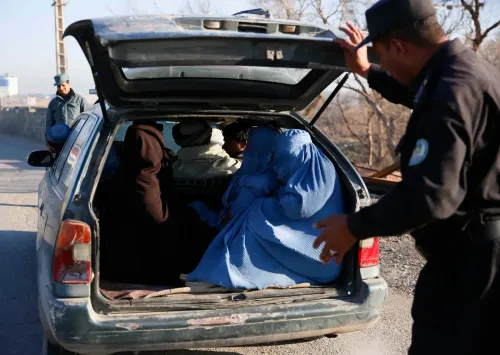
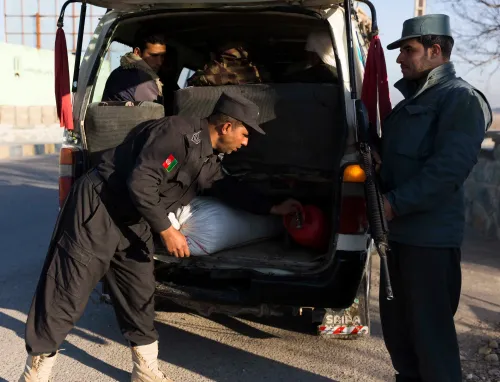
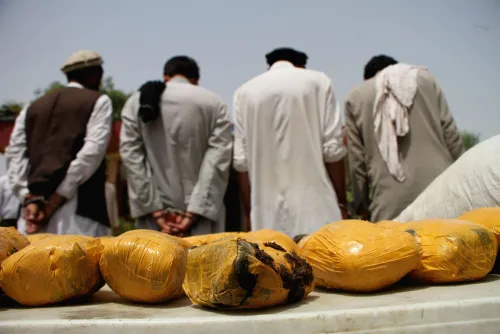
Kabul, April 26: Afghanistan's law enforcement agencies have detained 80 suspects on drug trafficking charges following a sweeping series of coordinated counter-narcotics raids conducted across multiple provinces. The Ministry of Interior Affairs confirmed the arrests in an official statement released on Sunday, April 26, marking one of the most significant multi-province anti-drug operations in recent months.
Massive Seizures Across Multiple Provinces
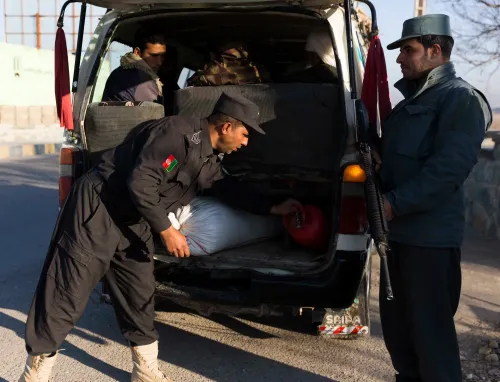
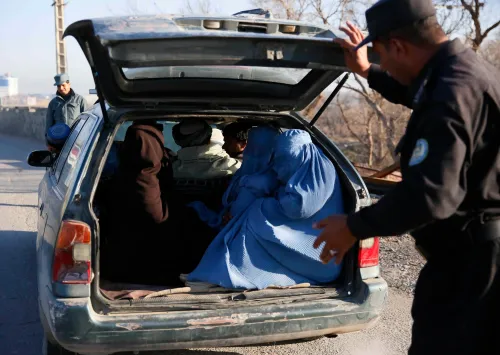
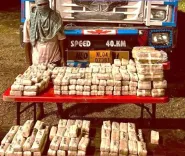
According to the ministry, counter-narcotics police units executed targeted raids in several regions simultaneously, resulting in the confiscation of large quantities of controlled substances. The seized contraband included hashish, narcotic tablets, and raw materials used in the manufacturing of heroin, as reported by Xinhua News Agency.
Authorities confirmed that the detained individuals are being processed under Afghan narcotics laws, and investigations are ongoing to identify and dismantle broader drug distribution networks operating within the country.
Government's Commitment to Eradicating Drug Networks
The Afghan Interior Ministry reaffirmed its resolve to escalate operations targeting the production, smuggling, and sale of illicit substances nationwide. Officials stressed that these arrests are not isolated incidents but form part of a structured, long-term campaign to eliminate drug trafficking infrastructure from the ground up.
This crackdown aligns with a broader policy shift under which Afghan authorities have intensified enforcement, destroying hundreds of acres of poppy cultivation fields and incinerating several tons of narcotics across the country over the past few months.
Recent Enforcement Actions Underline Escalating Pressure
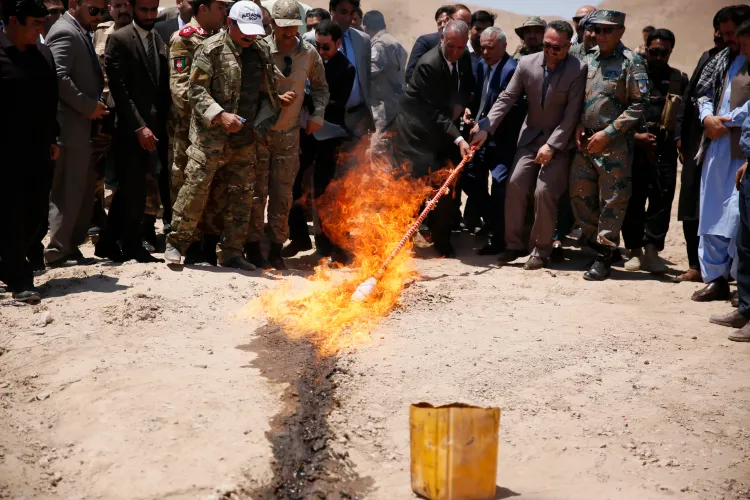
On April 15, Qari Wahidullah Matawakil, the provincial director for Counter-Narcotics in Khost province in eastern Afghanistan, announced that law enforcement publicly burned over 100 kg of mixed narcotics. The destroyed substances included hashish, heroin, opium poppy, and thousands of stimulant pills locally referred to as Tablet K.
Matawakil issued a stern warning, stating that no individual holds the right to produce or traffic illegal drugs within the province, and that violators would face strict legal consequences without exception.
Earlier, on February 23, police in Takhar province in northern Afghanistan arrested two drug smugglers and recovered 41 kg of illicit drugs — comprising 29 kg of opium poppy and 12 kg of hashish — from their possession as they attempted to move the contraband out of the region.
Afghanistan's Shifting Role in the Global Drug Trade
For decades, Afghanistan was the world's largest producer of opium, supplying an estimated 80–90% of global heroin according to United Nations data. The country's vast poppy cultivation fuelled not only domestic addiction but also international trafficking networks stretching into Central Asia, Europe, and beyond.
The current enforcement wave represents a notable policy pivot. Critics and international observers have noted that while the crackdowns are visible and publicised, the structural conditions — poverty, unemployment, and lack of agricultural alternatives — that make poppy farming economically attractive to rural communities remain largely unaddressed.
This raises a critical second-order question: can law enforcement alone sustain this suppression, or will the vacuum be filled by more sophisticated trafficking operations that adapt to increased policing pressure?
What Comes Next
The Afghan government has publicly vowed to continue operations until the nation is entirely free of drug production and trafficking threats. With enforcement actions intensifying across provinces from Khost in the east to Takhar in the north, authorities appear committed to maintaining sustained pressure on narcotics networks.
International stakeholders, including UN agencies and neighbouring countries affected by Afghan drug flows, will be closely monitoring whether these operational gains translate into long-term reductions in production capacity or merely displace trafficking routes temporarily. The coming months will be critical in determining the durability of Afghanistan's anti-narcotics momentum.
Point of View
Mass arrests, provincial raids — but seasoned observers know that enforcement spectacles without structural economic alternatives rarely deliver lasting change. For decades, poppy farming was the only viable income for millions of Afghan rural households, and no amount of policing erases that economic reality overnight. The global community, which watched Afghanistan supply the world's heroin supply chains for years with minimal intervention, must now ask whether diplomatic support and development investment will match the enforcement headlines. Without that, today's 80 arrests risk being tomorrow's footnote.
NationPress
16 Sept 2026
Frequently Asked Questions
How many suspects were arrested in Afghanistan's anti-drug operations in April 2025?
80 suspects were arrested across multiple provinces in Afghanistan during coordinated counter-narcotics raids. The Ministry of Interior Affairs confirmed the arrests on April 26, 2025 , stating that significant quantities of illegal substances were also seized.
What drugs were seized during the Afghanistan anti-drug raids?
Authorities seized hashish, narcotic tablets , and materials used in the production of heroin during the raids. Earlier operations also recovered opium poppy and stimulant pills known locally as Tablet K .
What happened during the Khost province narcotics burning in April 2025?
On April 15, 2025 , counter-narcotics authorities in Khost province publicly burned over 100 kg of mixed narcotics , including hashish, heroin, opium poppy, and thousands of Tablet K stimulant pills. Provincial director Qari Wahidullah Matawakil warned that violators would face strict legal action.
Why is Afghanistan cracking down on drug trafficking?
The Afghan government has vowed to transform the country from one of the world's largest drug-producing nations into a drug-free state. The crackdown targets production, smuggling, and distribution networks, with authorities destroying poppy farms and conducting nationwide raids as part of a sustained enforcement campaign.
Has Afghanistan made similar drug busts before 2025?
Yes. As recently as February 23, 2025 , Afghan police in Takhar province arrested two smugglers and seized 41 kg of illicit drugs , including opium poppy and hashish. Afghan authorities have also destroyed hundreds of acres of poppy fields over the past several months as part of ongoing enforcement efforts.