Afghan police seize 48 kg opium in Wardak, arrest drug smuggler
Synopsis
Afghan police have intercepted 48 kg of opium-type drugs in Wardak province in the latest of a string of counter-narcotics operations spanning Takhar, Badakhshan, and Nimroz. The cumulative seizures — running into hundreds of kilograms of opiates and methamphetamine — reveal active trafficking along Afghanistan's northern-to-western corridors, with authorities making multiple arrests and handing suspects to the judiciary.
Key Takeaways
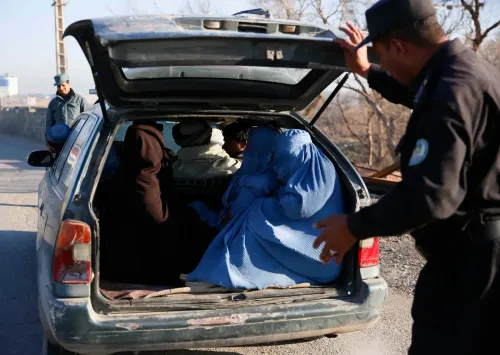
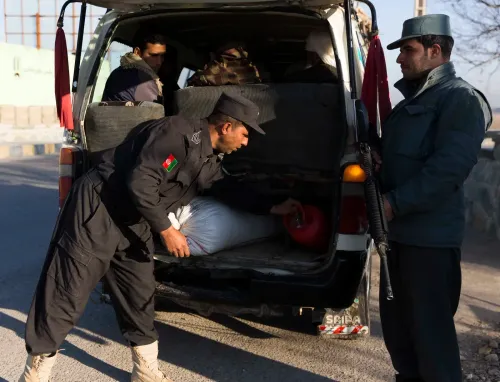
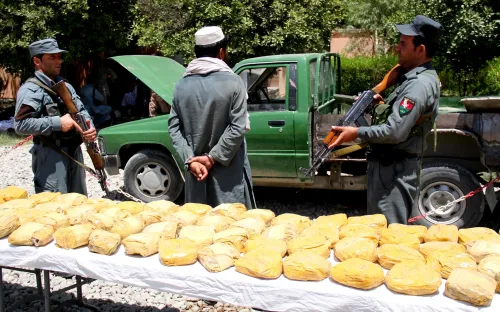
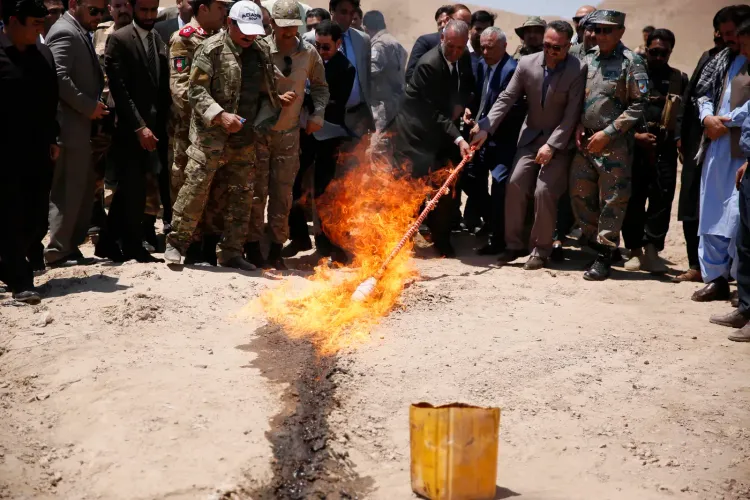
Afghan police seized 48 kg of opium-type drugs from a vehicle in Wardak province on 24 August and arrested the alleged smuggler.
The suspect was reportedly moving contraband from Balkh in the north to Farah in the west before onward transit to an unknown destination.
On the preceding Saturday, a separate operation in Takhar province yielded 190 kg of opium and one arrest.
On 16 July , raids in Badakhshan province recovered 241 kg of illicit drugs and led to nine arrests .
Operations in Nimroz province netted 84 kg of opium , 130 kg of methamphetamine , over 200 kg of precursor materials, and seven arrests .
All suspects across the operations have been or are being referred to the judiciary following preliminary investigations.
Afghan police intercepted 48 kg of illegal opium-type drugs from a vehicle in Wardak province, eastern Afghanistan, on 24 August, and arrested the alleged smuggler, according to a statement issued by the provincial police office. The suspect was reportedly attempting to traffic the contraband from the northern Balkh province to western Farah province before moving onward to an undisclosed destination.
How the Seizure Unfolded
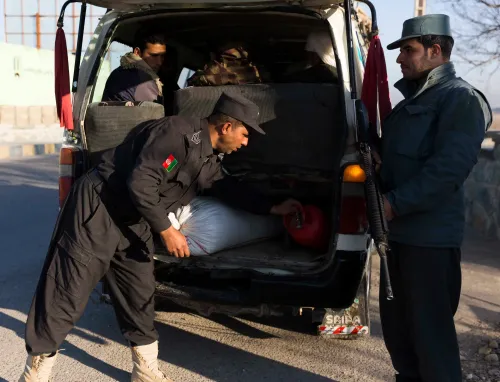
Acting on a tip-off, police intercepted the vehicle and recovered the narcotics before the consignment could reach its intended route. The alleged smuggler has been taken into custody and will be handed over to the judiciary following the completion of a preliminary investigation, according to officials.
A Pattern of Recent Operations
Monday's seizure is part of a broader wave of counter-narcotics operations across Afghanistan in recent weeks. On the preceding Saturday, police reported the discovery of 190 kg of opium and the arrest of a drug smuggler in the northern Takhar province. On 8 August, police in Takhar also arrested six individuals allegedly found transporting narcotics concealed in vehicles; those cases were referred to relevant authorities and preliminary investigations remain underway, according to provincial police spokesman Nizamuddin Omir.
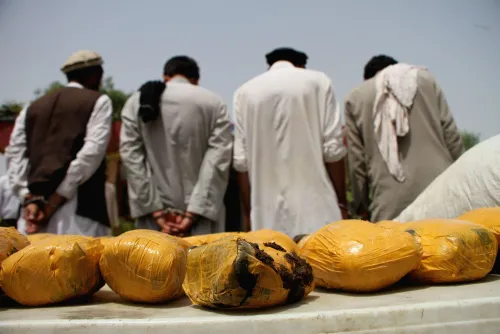
On 16 July, special police forces conducted raids in the Pul-e Begum and Tashkan areas of northeastern Badakhshan province, seizing 241 kg of illicit drugs and arresting nine suspects — with narcotics recovered from both a vehicle and a residential property, according to official media reports.
Nimroz Operations Yield Largest Haul
In western Afghanistan's Nimroz province, counter-narcotics police commander Mawlawi Esmatullah Ahmad confirmed that a series of operations yielded one of the more significant recent hauls. Authorities seized 84 kg of opium, 130 kg of methamphetamine, and more than 200 kg of precursor materials used in the manufacture of opium and heroin. Seven individuals were arrested on charges of involvement in drug smuggling in the province.
Authorities Reaffirm Counter-Narcotics Commitment
Across multiple provincial statements, Afghan authorities have reiterated their commitment to combating drug trafficking and related criminal activity. The cumulative seizures across Wardak, Takhar, Badakhshan, and Nimroz provinces in recent weeks point to sustained enforcement activity along key trafficking corridors that have historically linked Afghanistan's northern poppy-growing regions to western border crossings. With investigations ongoing and suspects under judicial review, further developments are expected in the coming weeks.
Point of View
Takhar, Badakhshan, and Nimroz suggests Afghan counter-narcotics units are operationally active, but the pattern also maps the resilience of trafficking networks that have adapted to enforcement pressure for decades. What these announcements do not address is the broader structural question: Afghanistan remains the world's dominant opium producer, and provincial-level arrests, however frequent, have historically done little to disrupt supply chains at the wholesale level. The real measure of effectiveness will be whether these operations translate into prosecutions and convictions — not just custody transfers to a judiciary whose capacity and independence remain under scrutiny.
NationPress
8 Oct 2026
Frequently Asked Questions
What drugs were seized by Afghan police in Wardak province?
Afghan police seized 48 kg of opium-type drugs from a vehicle in Wardak province on 24 August. The narcotics were recovered after police acted on a tip-off and intercepted the vehicle before it could continue along its intended trafficking route.
Where was the drug smuggler in Wardak trying to transport the contraband?
According to the provincial police statement, the alleged smuggler was attempting to move the contraband from Balkh province in the north to Farah province in the west, with an onward destination that was not disclosed.
What other drug seizures have Afghan police made recently?
In recent weeks, Afghan police have conducted multiple operations: 190 kg of opium seized in Takhar province on the Saturday before the Wardak bust; 241 kg of illicit drugs and nine arrests in Badakhshan province on 16 July; and seizures of 84 kg of opium, 130 kg of methamphetamine, and over 200 kg of precursor materials in Nimroz province, resulting in seven arrests.
What happens to the suspects arrested in these drug operations?
Arrested suspects are held in police custody pending a preliminary investigation, after which they are handed over to the judiciary for further legal proceedings. Authorities across multiple provinces have confirmed this procedure for the recent arrests.
Why is drug trafficking a persistent problem in Afghanistan?
Afghanistan has long been the world's largest producer of opium, and trafficking networks operate across its northern, eastern, and western provinces, exploiting border corridors to move narcotics regionally and internationally. Despite sustained counter-narcotics operations, supply chains have historically proven resilient to provincial-level enforcement alone.