Afghan police seize 241 kg of drugs, arrest 9 in Badakhshan operations
Synopsis
Afghan police have seized over 1,000 kg of narcotics across five provinces in a fortnight, including 241 kg in Badakhshan, 730 kg publicly burned, and 215 kg confiscated in Ghazni. The enforcement surge — spanning opium, methamphetamine, and heroin precursors — signals the most concentrated counter-narcotics push Afghanistan has seen in recent months.
Key Takeaways
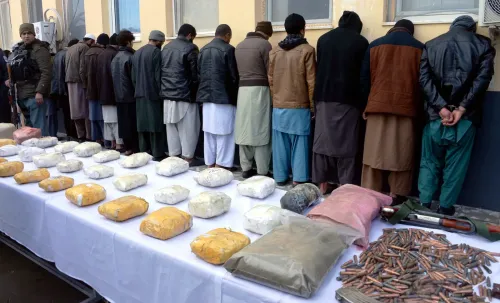
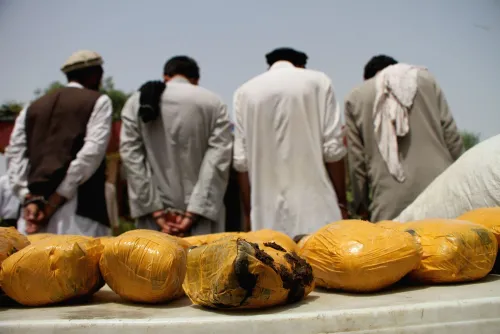
Afghan police seized 241 kg of illicit drugs and arrested 9 suspects in Badakhshan province on 17 July .
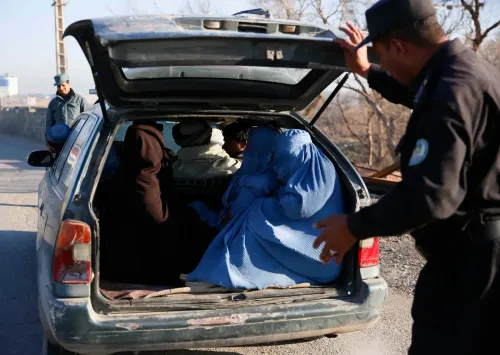
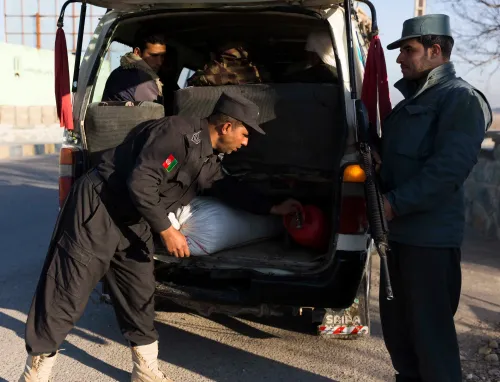
Drugs were recovered from a vehicle and a residential house in the Pul-e Begum and Tashkan areas.
Operations in Nimroz province yielded 84 kg of opium , 130 kg of methamphetamine , and over 200 kg of heroin precursors; 7 persons arrested.
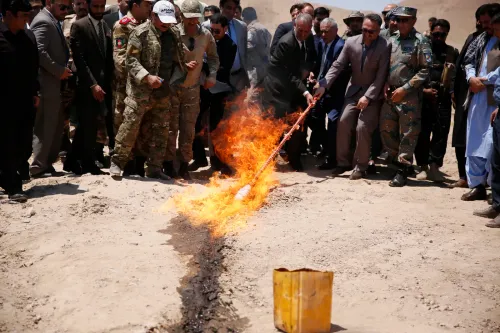
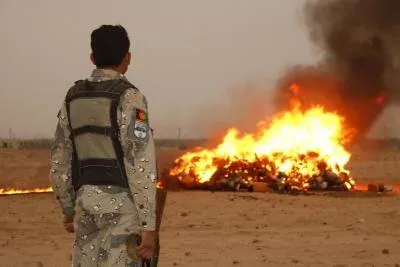
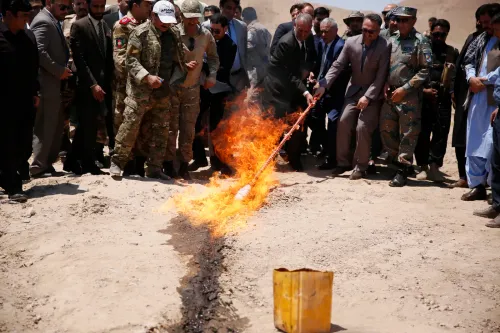
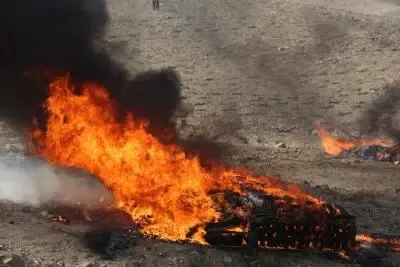
Police publicly burned 730 kg of opium in northern Badakhshan on Wednesday .
A 4 July operation in Takhar province netted 60 kg of drugs and 2 arrests ; a 2 July raid in Ghazni seized 215 kg of opium .
Combined seizures across five provinces over the past fortnight exceed 1,000 kg of narcotics and precursor materials.
Afghan police have seized 241 kilograms of illicit drugs and detained nine suspects during two separate operations in northeastern Badakhshan province, according to the official Bakhtar News Agency on Friday, 17 July. The raids mark the latest in a string of counter-narcotics drives conducted across multiple Afghan provinces in recent weeks.
How the Raids Unfolded
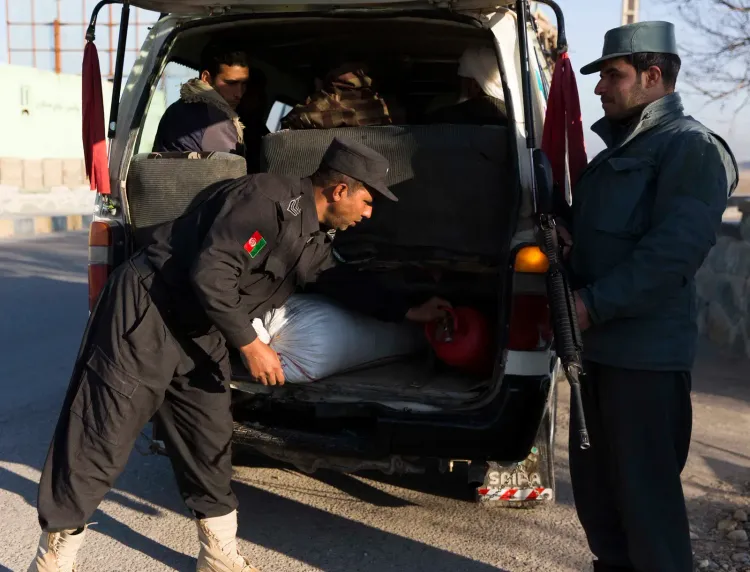
Special police forces conducted the operations in the Pul-e Begum and Tashkan areas of Badakhshan. According to reports, the narcotics were recovered from two locations — a vehicle and a residential house. All nine individuals detained during the raids remain under investigation, with authorities reaffirming their commitment to dismantling drug trafficking networks across the country.
Parallel Operations Across Afghanistan
The Badakhshan seizure is part of a broader enforcement surge. On Thursday, the counter-narcotics police commander in Nimroz province, Mawlawi Esmatullah Ahmad, confirmed that operations in western Afghanistan had yielded 84 kg of opium, 130 kg of methamphetamine, and more than 200 kg of precursor materials used in manufacturing opium and heroin — all seized over the past week. Seven persons were also arrested in Nimroz on charges of drug smuggling.
Separately, police in northern Badakhshan publicly incinerated 730 kg of opium on Wednesday, a move intended to signal zero tolerance. On 4 July, a targeted operation in Takhar province led to the confiscation of 60 kg of illicit drugs — comprising 52 kg of opium and 8 kg of hashish — concealed in hidden compartments of a vehicle. Provincial police spokesman Nizamudin Omir confirmed that two suspected smugglers were arrested in that operation.
On 2 July, Afghan security personnel thwarted a major trafficking attempt in eastern Ghazni province, seizing 215 kg of opium.
Scale of the Crackdown
Taken together, the operations over the past fortnight have resulted in the seizure of well over 1,000 kg of narcotics and precursor materials across at least five provinces — Badakhshan, Nimroz, Takhar, Ghazni, and northern Badakhshan. This comes amid sustained international pressure on Afghan authorities to curb the country's historically dominant role in global opium and heroin supply chains.
What Happens Next
The suspects detained in Badakhshan remain under active investigation. Afghan counter-narcotics authorities have indicated that operations will continue across provinces, with public destructions of seized drugs serving as a deterrent signal. Whether the current enforcement tempo translates into a measurable reduction in trafficking volumes will be closely watched by regional security analysts.
Point of View
Multiple drug types, public incineration — suggest a deliberate enforcement signalling effort rather than routine policing. Yet seizure statistics alone are a weak proxy for disruption: Afghanistan remains the world's largest opium producer historically, and high-volume busts can reflect enforcement activity or simply abundant supply. The real question is whether these operations are dismantling networks or skimming the surface. Without transparent prosecution data and independent verification of destruction claims, the numbers, while striking, are difficult to assess for strategic impact.
NationPress
16 Oct 2026
Frequently Asked Questions
What drugs were seized in the Badakhshan operation on 17 July?
Afghan police seized 241 kilograms of illicit drugs during two raids in the Pul-e Begum and Tashkan areas of Badakhshan province. The narcotics were recovered from a vehicle and a residential house, and nine suspects were detained.
How many people have been arrested in Afghanistan's recent drug crackdowns?
Across operations in Badakhshan, Nimroz, and Takhar provinces over the past two weeks, at least 18 people have been arrested — nine in Badakhshan, seven in Nimroz, and two in Takhar — on charges related to drug smuggling and trafficking.
What types of drugs have been seized in Afghanistan's July 2025 operations?
The seized contraband includes opium, methamphetamine, hashish, and precursor chemicals used in manufacturing heroin. Nimroz alone yielded 84 kg of opium and 130 kg of methamphetamine, alongside over 200 kg of manufacturing materials.
Why did Afghan police publicly burn 730 kg of opium?
Afghan counter-narcotics police publicly incinerated 730 kg of opium in northern Badakhshan on Wednesday as a deterrent measure, signalling zero tolerance for drug trafficking. Public destruction of seized narcotics is a practice used by Afghan authorities to demonstrate enforcement commitment.
How significant is this crackdown in the broader context of Afghanistan's drug problem?
Afghanistan has historically been the world's dominant opium producer, making counter-narcotics enforcement a persistent challenge. The current sweep — covering at least five provinces and yielding over 1,000 kg of narcotics and precursors in a fortnight — represents one of the more concentrated enforcement bursts in recent months, though independent assessment of its long-term impact remains limited.