97 Shrine Attacks in Bangladesh Expose Growing Impunity Crisis
Synopsis
Over 97 shrines attacked across Bangladesh since July 2024 — yet only 12 FIRs filed. A spiritual leader was hacked to death in Kushtia on April 18. With 3 dead, 200+ injured, and near-zero arrests, rights groups warn of a dangerous culture of impunity taking hold under the Yunus interim government.
Key Takeaways
97 shrines across Bangladesh have been attacked since the July 2024 protests , involving vandalism, arson, looting, and coordinated assaults.
Spiritual leader Shamim Reza was hacked to death at his shrine in Kushtia district on April 18, 2025 , following blasphemy rumours.
Despite nearly 100 incidents , only 12 formal cases have been registered — with minimal progress in investigations and no significant arrests .
The HRSS reports at least 3 deaths and over 200 injuries , including women, across Bangladesh in these attacks.
Research body Makam recorded 50+ attacks in Dhaka division and 27 in Chittagong division , with Narayanganj and Cumilla as the worst-hit districts.
Analysts attribute the violence to religious ideology, social intolerance, rumour-based mobilisation, and political influence , warning of an entrenched culture of impunity.
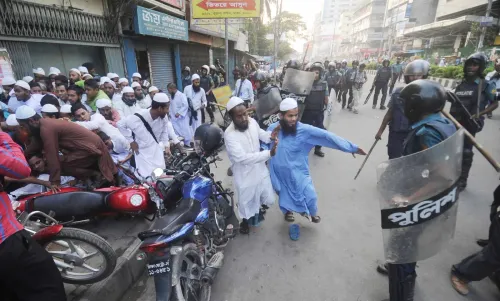
Dhaka, April 25: A deeply alarming pattern of violence against religious shrines has emerged across Bangladesh, with at least 97 shrines targeted since the July 2024 protests through the tenure of the Muhammad Yunus-led interim government. Incidents span vandalism, arson, looting, and coordinated mob assaults, with rights groups warning of a rapidly deepening culture of impunity. Despite the scale of violence, only 12 formal cases have been registered — raising urgent questions about state accountability and minority protection.
Spiritual Leader Hacked to Death in Kushtia
In the most recent and gruesome incident, Shamim Reza, a spiritual leader, was beaten and hacked to death at his shrine in Daulatpur upazila, Kushtia district, on April 18, 2025. The attack was triggered by rumours of religious blasphemy — a pattern increasingly weaponised to mobilise mob violence across the country.
This killing underscores a disturbing trend: shrines associated with Sufi Islam and folk religious practices have become flashpoints for ideologically motivated attacks, often with little to no legal consequence for perpetrators.
Scale of Violence: Data Paints a Grim Picture
According to a report published by the Dhaka Tribune, more than 100 incidents of attacks, vandalism, and looting were recorded at shrines across Bangladesh between August 2024 and April 11, 2025. The Dhaka-based Human Rights Support Society (HRSS) confirmed that at least 3 people have been killed and over 200 injured, including women, in these incidents.
The Sufism-focused research body Makam documented over 50 shrine attacks in the Dhaka division alone between August 8, 2024, and December 2025. Narayanganj recorded the highest number of incidents at 11, followed by Dhaka with 9. Other affected districts include Kishoreganj, Manikganj, Tangail, Gazipur, and Rajbari. These attacks resulted in 2 deaths and nearly 180 injuries.
In the Chittagong division, Makam recorded 27 incidents — 17 in Cumilla, 4 in Chittagong, 3 in Noakhali, 2 in Brahmanbaria, and 1 in Cox's Bazar. Historic shrines in Sitakunda and Hathazari were also vandalised during this period.
Near-Zero Accountability: Only 12 Cases Filed
Despite nearly 100 documented attacks, only 12 formal cases have been registered with authorities — a staggering accountability gap. In Dhamrai upazila near Dhaka, three shrines were attacked during the interim government's tenure. While three cases were registered, no arrests followed. One shrine has since resumed activities; the other two remain shut.
Analysts note that the near-absence of arrests, prosecutions, or judicial action has emboldened perpetrators and reinforced the perception that attacks on shrines carry no legal consequence. This systemic failure, they argue, is not incidental — it reflects deeper structural problems within Bangladesh's law enforcement and judiciary.
Root Causes: Ideology, Rumour, and Political Influence
Experts analysing the surge in shrine attacks cite a toxic combination of religious ideological differences, social intolerance, rumour-driven mob mobilisation, political influence, and local power dynamics. The use of blasphemy rumours as a trigger — as seen in the Kushtia killing — mirrors a pattern observed in previous communal flare-ups across South Asia.
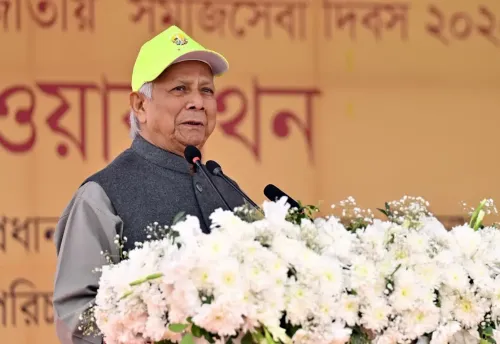
Notably, the attacks accelerated in the political vacuum following the July 2024 mass protests that reshaped Bangladesh's governance landscape. Critics argue that the interim government under Muhammad Yunus failed to take decisive action against shrine attackers, allowing impunity to take root during a period of institutional fragility.
This comes amid broader concerns about the safety of religious minorities and Sufi communities in Bangladesh, who have historically faced periodic persecution but are now confronting an unprecedented wave of organised violence with minimal state protection.
Broader Implications and What Comes Next
The international community, including human rights organisations and neighbouring governments, is closely monitoring the situation. If Bangladesh's law enforcement continues to under-prosecute shrine attack cases, it risks emboldening hardline elements while alienating its own pluralistic religious traditions.
With over 85 cases still without formal registration and investigations stalled across the board, pressure is mounting on the Yunus-led administration to demonstrate concrete legal action. Rights groups are calling for a dedicated task force, fast-track courts, and community protection mechanisms for vulnerable shrine communities. The coming weeks will be critical in determining whether Bangladesh can reverse this culture of impunity before it becomes irreversible.
Point of View
Impunity is not a by-product — it is effectively policy. The weaponisation of blasphemy rumours to trigger mob violence mirrors a template seen across South Asia, and Bangladesh's silence risks normalising it. The Yunus administration must choose: accountability or complicity.
NationPress
16 Sept 2026
Frequently Asked Questions
How many shrines have been attacked in Bangladesh since July 2024?
At least 97 shrines across Bangladesh have been attacked since the July 2024 protests through the tenure of the Muhammad Yunus-led interim government. Incidents include vandalism, arson, looting, and coordinated mob assaults.
Who was killed in the Kushtia shrine attack in April 2025?
Shamim Reza, a spiritual leader, was beaten and hacked to death at his shrine in Daulatpur upazila, Kushtia district, on April 18, 2025. The attack was reportedly sparked by rumours of religious blasphemy.
How many people have been killed and injured in Bangladesh shrine attacks?
According to the Dhaka-based Human Rights Support Society (HRSS), at least 3 people have been killed and over 200 injured, including women, in shrine attacks across Bangladesh since August 2024.
Why are so few cases being filed in Bangladesh shrine attacks?
Despite nearly 100 documented shrine attacks, only 12 formal cases have been registered with authorities. Analysts say the lack of arrests and prosecutions reflects political influence, institutional failure, and a growing culture of impunity.
Which districts in Bangladesh have seen the most shrine attacks?
Narayanganj recorded the highest number of shrine attacks at 11, followed by Dhaka with 9, according to research body Makam. In the Chittagong division, Cumilla saw 17 incidents, the highest in that region.