Afghan minister warns Pakistan: restraint is not weakness, response will come
Synopsis
Afghanistan's Taliban government has issued its sharpest public warning yet to Pakistan following strikes that killed at least 7 and injured 75 in Kunar province — including a university campus. The message from Kabul: patience is not surrender, and a forceful response is coming at a time of their choosing.
Key Takeaways
Taliban Minister Nida Mohammad Nadeem warned on 29 April 2025 that Afghanistan's restraint against Pakistani attacks does not mean weakness.
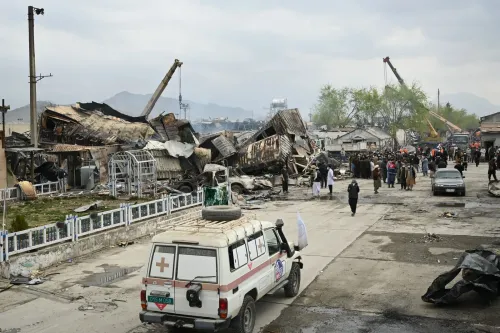
At least 7 people were killed and 75 injured in Pakistani strikes on Kunar province , including Sayed Jamaluddin Afghan University .
Afghanistan's Ministry of Foreign Affairs summoned the Pakistani Chargé d'Affaires in Kabul and handed over a formal protest letter.
The Islamic Emirate rejected claims that Afghanistan triggered the escalation and reserved the right to defend its territory.
Kabul warned that continued "irresponsible actions" by Pakistan will have "undesirable consequences".
Taliban's Minister of Higher Education, Nida Mohammad Nadeem, on Wednesday, 29 April 2025, warned that Afghanistan's patience in the face of repeated Pakistani strikes does not signal weakness or retreat, and that Kabul will respond to Islamabad at an "appropriate time" and under "appropriate circumstances", according to local media reports.
The Warning from Kabul
Nadeem specifically referenced the recent attack on Sayed Jamaluddin University in Kunar province, asserting it will not halt scientific progress in Afghanistan. "Patience should not be interpreted as weakness and the movement is capable of responding forcefully when necessary," he was quoted as saying by Afghanistan International.
Stressing that the Taliban were "raised in suffering" and are "no strangers to martyrdom", the minister asserted that Afghans will defend their system "with all their might".
The Pakistani Strikes That Triggered the Crisis
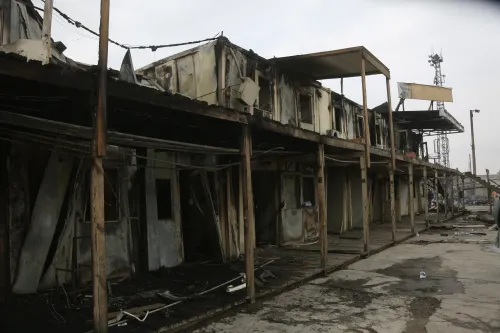
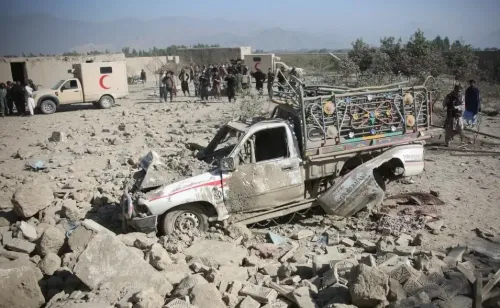
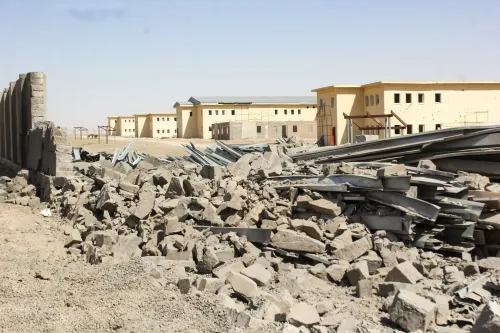
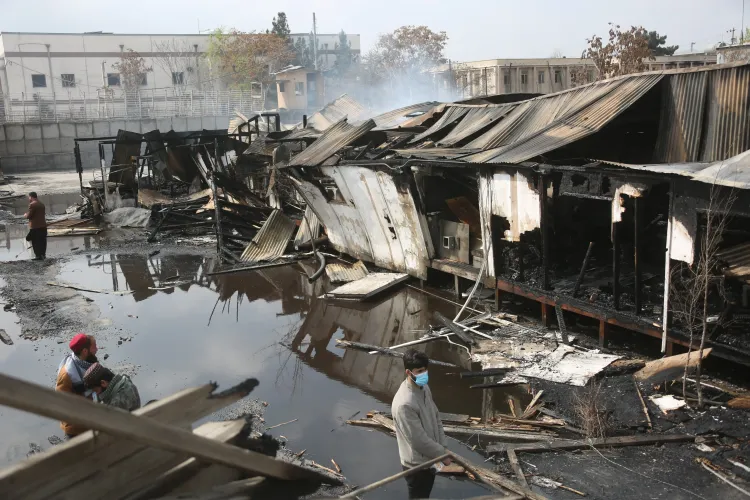
At least seven people were killed and 75 others injured after Pakistani strikes hit parts of Kunar province on Monday, targeting the provincial capital Asadabad and Sarkano district. Local sources indicated the strikes hit residential areas as well as the campus of Sayed Jamaluddin Afghan University, where mortar rounds caused damage and widespread panic among students and staff.
Diplomatic Fallout
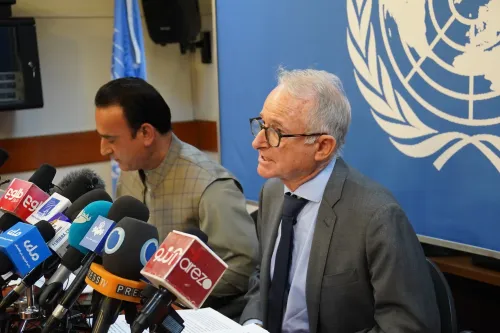
On Tuesday, Afghanistan's Ministry of Foreign Affairs summoned the Chargé d'Affaires of the Pakistani Embassy in Kabul to register a formal protest. Kabul handed over a protest letter condemning Islamabad's targeting of public facilities along the Durand Line, including the university located in the centre of Kunar province.
The Ministry strongly condemned what it described as a violation of Afghanistan's airspace and attacks against civilians. "The actions of Pakistani forces are a clear violation of Afghanistan's territorial integrity, contrary to international principles, and a provocative act," the Ministry stated.
Afghanistan's Official Position
The Islamic Emirate categorically rejected allegations that the recent escalation was initiated by the Afghan side, and called for a thorough investigation into the root causes of the situation. Kabul reiterated its "legitimate right to defend its soil and people" and warned that continuation of such "irresponsible actions" will have "undesirable consequences" for Pakistan.
With both sides trading accusations and diplomatic channels under strain, the trajectory of the Afghanistan-Pakistan relationship remains deeply uncertain in the weeks ahead.
Point of View
The minister framing restraint as a strategic choice rather than incapacity signals that Kabul believes it retains escalation options. Pakistan's continued strikes along the Durand Line risk radicalising Afghan public opinion in ways that could benefit hardliners within the Taliban who favour direct retaliation. The international community has been conspicuously quiet; the absence of a multilateral response to strikes on a university campus sets a troubling precedent for civilian protection in the region.
NationPress
19 Sept 2026
Frequently Asked Questions
Why did Afghanistan warn Pakistan in April 2025?
Afghanistan warned Pakistan after Pakistani strikes on 28 April 2025 killed at least 7 people and injured 75 others in Kunar province, hitting residential areas and a university campus. Taliban Minister Nida Mohammad Nadeem stated that Kabul's patience should not be mistaken for weakness and that a response would come at an appropriate time.
What happened at Sayed Jamaluddin Afghan University in Kunar?
Mortar rounds reportedly targeted the campus of Sayed Jamaluddin Afghan University in Kunar during Pakistani strikes, causing damage and panic among students and employees. The Afghan minister specifically cited the attack as an example of Pakistani aggression against civilian and educational infrastructure.
What diplomatic steps did Afghanistan take after the strikes?
Afghanistan's Ministry of Foreign Affairs summoned the Pakistani Chargé d'Affaires in Kabul and handed over a formal protest letter condemning the strikes as a violation of Afghanistan's territorial integrity and airspace. Kabul also warned of undesirable consequences if such actions continued.
What is the Durand Line and why does it matter here?
The Durand Line is the contested border between Afghanistan and Pakistan, historically a flashpoint for cross-border tensions. Afghanistan's protest letter specifically cited Pakistani targeting of public facilities along the Durand Line, underscoring that the strikes are part of a broader pattern of border-area aggression.
Has Afghanistan blamed itself for the escalation?
No. The Islamic Emirate categorically rejected allegations that Afghanistan triggered the recent escalation, and called for an independent investigation into the root causes of the situation.