Australia Secures 250,000 Tonnes of Urea Fertiliser from Indonesia

Synopsis
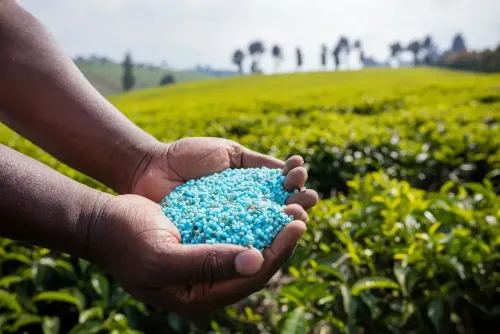
Australia has signed a crucial deal to import 250,000 tonnes of urea fertiliser from Indonesia, addressing significant agricultural needs amidst rising prices and supply challenges due to geopolitical tensions.
Key Takeaways
250,000 tonnes of urea fertiliser to be imported from Indonesia.
Deal addresses 20% of Australia's fertiliser needs .
Collaboration between Incitec Pivot Fertilisers and PT Pupuk Indonesia .
Rising urea prices have surged by 60% due to geopolitical tensions.
Australia requires 1.3 million tonnes of urea for the winter crop season.
Canberra, April 17 (NationPress) Australia is set to bring in 250,000 tonnes of fertiliser urea from Indonesia, a pact revealed by Prime Minister Anthony Albanese on Friday.
In a collaborative announcement with Foreign Affairs Minister Penny Wong and Agriculture Minister Julie Collins, Albanese stated that this agreement between Australian supplier Incitec Pivot Fertilisers and Indonesian manufacturer PT Pupuk Indonesia will fulfill 20 percent of Australia’s fertiliser requirements for the ongoing season.
“This is a vital achievement for our farmers. We recognize the essential role of fertiliser in supporting Australian agriculture, our food production system, and the food security of our region,” he remarked.
This development follows Collins' announcement on Thursday regarding the simplification of fertiliser import processes to address supply challenges arising from the ongoing conflict in the Middle East.
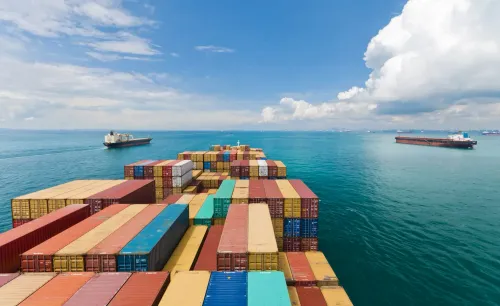
Before the conflict erupted, approximately 60 percent of Australia’s fertiliser urea imports passed through the Strait of Hormuz.
On Friday, Collins noted that the Australian and Indonesian governments collaborated to facilitate this agreement, as reported by Xinhua news agency.
“This will enable Australia to maintain its crucial role in supporting food security in Indonesia and our region amidst global uncertainties,” she added.
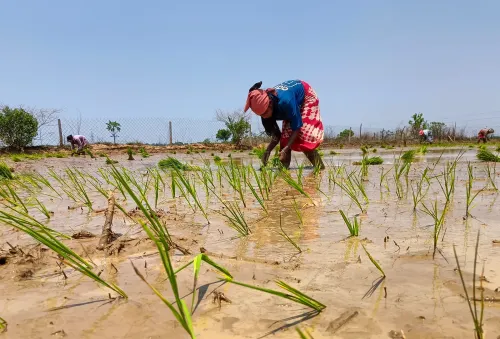
Australia is among the leading exporters of crops such as wheat, barley, and canola, but it is heavily reliant on fertiliser imports, which are now jeopardized by the conflict in Iran, a significant urea provider.
Since the onset of the war in late February, the price of urea, an essential nitrogen source for plant growth, has surged by about 60 percent in Australia.
Many farmers currently planting winter crops are contemplating reducing their sowing to lessen their fertiliser needs, which may become financially prohibitive even if available. Additionally, fuel costs have soared, further straining farm budgets.
Although Australia has sufficient fertiliser for the next few weeks, it requires approximately 1.3 million tonnes of urea to sustain its needs for the remainder of the winter crop season, according to government sources.
Point of View
This agreement highlights Australia's proactive approach to ensuring food security amidst ongoing global challenges. The collaboration with Indonesia not only addresses immediate agricultural needs but also reinforces diplomatic relations in the region.
NationPress
19 Sept 2026
Frequently Asked Questions
Why is Australia importing urea fertiliser from Indonesia?
Australia is importing urea fertiliser from Indonesia to meet 20% of its fertiliser needs for the current season, amidst rising prices and supply disruptions caused by geopolitical tensions.
How much urea fertiliser does Australia require?
Australia needs approximately 1.3 million tonnes of urea to meet its requirements for the remainder of the winter crop season.
What impact does the conflict in the Middle East have on fertiliser imports?
The ongoing conflict in the Middle East has disrupted supply routes, affecting around 60% of Australia's urea imports which previously transited through the Strait of Hormuz.
What is the significance of this deal for Australian farmers?
This deal is significant for Australian farmers as it provides essential fertiliser needed for crop production, which is critical for food security.
How has the price of urea changed recently?
Since the conflict began in late February, the price of urea in Australia has risen by approximately 60%.