Bangladesh custodial death: Awami League leader dies in Gazipur jail, party demands probe
Synopsis
Another Awami League leader has died in a Bangladeshi jail — the latest in a series of custodial deaths since the 2024 political upheaval. Mobarak Hossain, arrested for distributing political leaflets under the Anti-Terrorism Act, was denied bail at six or seven hearings before dying of apparent cardiac failure. His party is now calling on UN human rights bodies and international organisations to intervene.
Key Takeaways
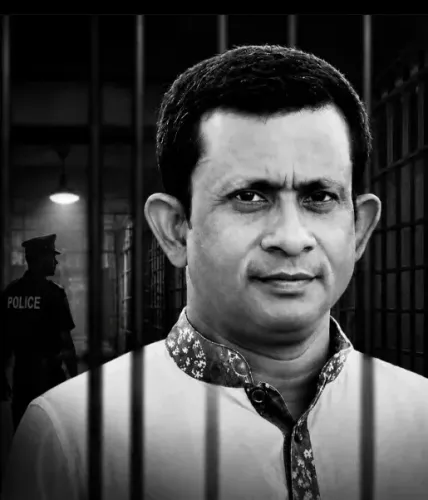
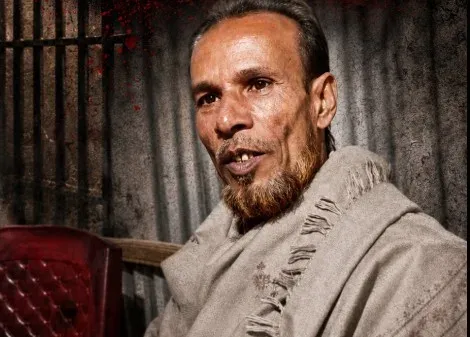
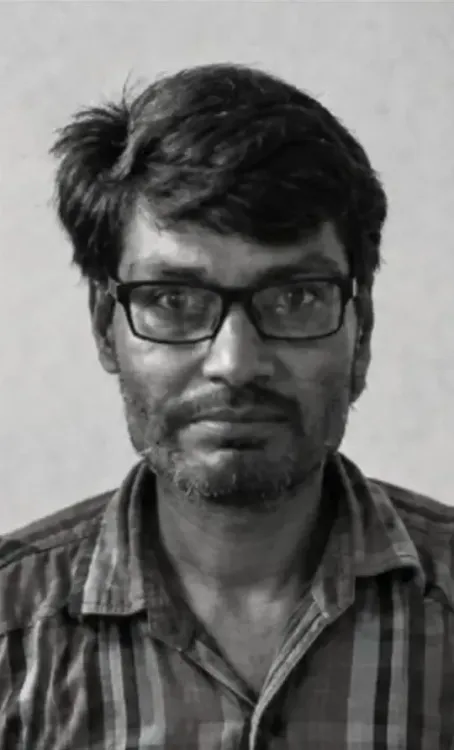
Mobarak Hossain , 54 , convener of the Meghdubi East unit of the Awami League in Gazipur City Corporation , died at Gazipur Shaheed Tajuddin Ahmad Medical College Hospital on Tuesday night .
He had been in custody at Gazipur District Jail since 16 August , arrested under Bangladesh's Anti-Terrorism Act at Pubail police station.
His arrest reportedly stemmed from distributing political leaflets and mourning-day posters; bail was denied at six or seven separate hearings.
The Awami League demanded an urgent, independent investigation and questioned the adequacy of medical care provided in custody.
The party called on United Nations human rights mechanisms and international rights organisations to scrutinise the case.
Mobarak Hossain, a 54-year-old Awami League leader from Gazipur, died in custody at Gazipur District Jail on Tuesday night after complaining of chest pain, according to local media reports. His death adds to a growing count of custodial deaths involving Awami League members in Bangladesh since the country's 2024 political upheaval.
How the Death Unfolded
According to Gazipur District Jail Jailer Nur Mohammad Sohel, Mobarak first complained of chest pain at approximately 9:50 pm on Tuesday and received preliminary treatment inside the facility. As his condition worsened, he was transferred to Gazipur Shaheed Tajuddin Ahmad Medical College Hospital at around 10:00 pm, where the attending physician declared him dead at approximately 10:30 pm.
Jail authorities confirmed that Mobarak had been in custody since 16 August, following his arrest under the country's Anti-Terrorism Act at Pubail police station. He served as convener of the Meghdubi East unit of the Awami League under Gazipur City Corporation.
What Led to His Detention
The Awami League, in a statement issued on Thursday, alleged that Mobarak's arrest on 15 August 2026 stemmed from the distribution of political leaflets carrying the message 'Sheikh Hasina will return, Bangladesh will smile,' along with mourning-day posters, a political song, and mobile phones reportedly seized at the time. The party contended that none of these activities constitute terrorism under any defensible legal standard.
Bail was reportedly sought at six or seven separate hearings but was denied on each occasion, according to the party. The Awami League questioned what specific evidence justified continued pre-trial detention under anti-terrorism legislation for what it described as peaceful political expression.
Party Demands and Allegations
The Awami League expressed 'grave concern' over the circumstances of Mobarak's death, raising pointed questions: what reasons were recorded for repeated bail refusals, when did he first fall ill, what treatment was administered, and whether he was referred promptly for hospital care. The party demanded an urgent and independent investigation into the case.
Notably, the party stressed that counterterrorism legislation must not be deployed to criminalise political activity such as leaflet distribution, commemorative posters, or political songs. Critics argue that such usage of anti-terror statutes risks weaponising the legal system against opposition political expression.
International Scrutiny Called For
The Awami League called on United Nations human rights mechanisms, international rights organisations, diplomatic missions, and independent media to scrutinise this case and broader allegations of politically motivated detention in Bangladesh. This comes amid heightened international concern over the human rights situation in the country following the 2024 political transition.
With custodial deaths of Awami League members reportedly rising since the upheaval, pressure is mounting on Bangladeshi authorities to address transparency in detention and medical care for political prisoners.
Point of View
Activity that most democratic legal frameworks would regard as protected political expression, was the basis for an Anti-Terrorism Act arrest and repeated bail denials. The use of counterterrorism statutes to detain political opponents is a well-documented tool of democratic backsliding globally, and the Bangladeshi judiciary's apparent reluctance to grant bail in such cases warrants independent scrutiny. The Awami League's appeal to UN mechanisms signals that domestic accountability channels are seen as insufficient — a troubling indicator for Bangladesh's post-transition rule-of-law credentials.
NationPress
15 Oct 2026
Frequently Asked Questions
Who was Mobarak Hossain and why was he in custody?
Mobarak Hossain was a 54-year-old Awami League leader serving as convener of the Meghdubi East unit in Gazipur City Corporation, Bangladesh. He was arrested on 15 August 2026 under the Anti-Terrorism Act at Pubail police station, reportedly for distributing political leaflets, a song, and mourning-day posters.
How did Mobarak Hossain die in custody?
According to jail authorities, Mobarak complained of chest pain at around 9:50 pm on Tuesday at Gazipur District Jail. He was transferred to Gazipur Shaheed Tajuddin Ahmad Medical College Hospital at 10:00 pm and was declared dead by the duty physician at approximately 10:30 pm.
Why does the Awami League allege his detention was politically motivated?
The Awami League argues that Mobarak's arrest was based solely on peaceful political activity — distributing leaflets bearing the slogan 'Sheikh Hasina will return, Bangladesh will smile,' along with mourning-day posters and a political song. The party contends that such activity does not meet the legal threshold for terrorism and that bail was unjustifiably denied at six or seven hearings.
What investigation is the Awami League demanding?
The Awami League is calling for an urgent and independent investigation into the circumstances of Mobarak's arrest, the repeated denial of bail, the onset of his illness, and the adequacy of medical treatment he received in custody. It has also urged UN human rights mechanisms, international rights organisations, and diplomatic missions to scrutinise the case.
Is this an isolated incident or part of a wider trend?
This is not an isolated case. Mobarak's death is part of a reported rise in custodial deaths involving Awami League members in Bangladesh since the country's 2024 political upheaval, raising broader concerns about the treatment of political detainees and the use of anti-terrorism legislation against opposition figures.