Azerbaijan's Milli Majlis suspends all ties with European Parliament
Synopsis
Azerbaijan has taken its sharpest institutional step yet against the EU, with the Milli Majlis voting to cut all parliamentary ties and begin withdrawal from the EuroNest Assembly — triggered by a European Parliament resolution Baku calls biased and sovereignty-violating. With Azerbaijan a key gas supplier to Europe, the fallout could extend well beyond parliamentary protocol.
Key Takeaways
Azerbaijan's Milli Majlis voted on 1 May 2025 to suspend all cooperation with the European Parliament .
The legislature simultaneously initiated withdrawal from the EuroNest Parliamentary Assembly .
EU Ambassador Marijana Kujundzic was summoned to the Azerbaijani Ministry of Foreign Affairs and handed a formal note of protest.
Baku condemned the European Parliament's 30 April resolution as "unfounded and biased," saying it undermines sovereignty and distorts reality.
Azerbaijan rejected EU calls regarding the return of Armenian residents to Karabakh , calling them interference in internal affairs.
Individuals of Armenian origin held by Azerbaijan were described as convicted criminals, not prisoners of war, by the Azerbaijani Foreign Ministry .
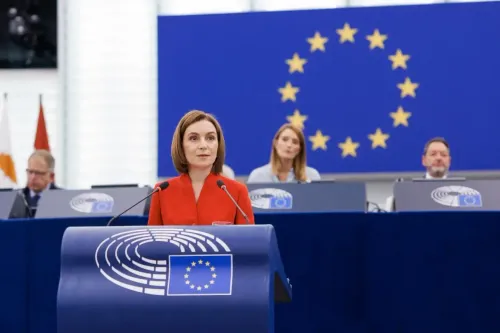
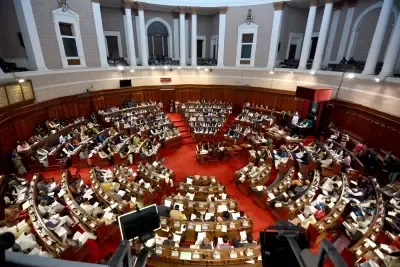
Azerbaijan's parliament, the Milli Majlis, voted on Friday, 1 May 2025 to suspend all cooperation with the European Parliament, citing what Baku termed "anti-Azerbaijani activities" by the European bloc's legislature. The move marks a significant diplomatic rupture between Baku and the European Union, coming just one day after the European Parliament adopted a resolution on 30 April that Azerbaijan's foreign ministry described as "unfounded and biased."
Key Decisions by Milli Majlis
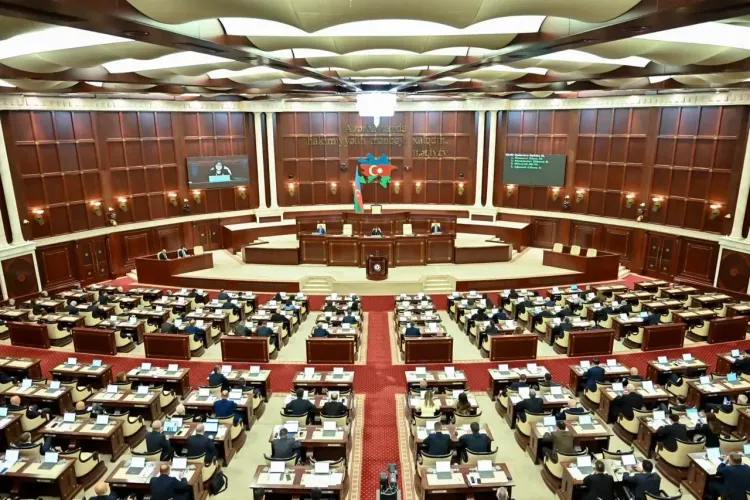
The resolution passed by the Milli Majlis ends Azerbaijan's participation across all parliamentary cooperation tracks, including the EU-Azerbaijan Parliamentary Cooperation Committee. Simultaneously, the legislature initiated formal withdrawal procedures from the EuroNest Parliamentary Assembly, a regional inter-parliamentary forum that links the European Parliament with the parliaments of several Eastern Partnership countries.
Milli Majlis Speaker Sahiba Gafarova announced the responsive measures at the opening of the spring session, framing them as a direct reaction to what she characterised as sustained anti-Azerbaijani conduct by the European Parliament.
EU Ambassador Summoned to Foreign Ministry
In a parallel diplomatic move, the Ambassador of the European Union to Azerbaijan, Marijana Kujundzic, was summoned to the Azerbaijani Ministry of Foreign Affairs on 1 May. According to a statement issued by the ministry, the provisions of the European Parliament's 30 April resolution were "strongly condemned" and a formal note of protest was submitted.
The ministry's statement said the resolution's provisions "distort reality, contradict the principles of objectivity, and the obligations of respect for the sovereignty and territorial integrity of states." It further warned that the European Parliament's approach "negatively affects the normalization process in the region, as well as the prospects for relations between Azerbaijan and the European Union."
The Karabakh Dispute at the Core
Baku specifically rejected European Parliament claims regarding the return of Armenian residents to the Karabakh region, calling them "completely unfounded" and characterising such calls as interference in Azerbaijan's internal affairs. The Azerbaijani foreign ministry asserted that, despite a reintegration plan presented in 2023 in accordance with the Azerbaijani Constitution, Armenian residents left the region voluntarily.
The ministry also pushed back against calls for the release of individuals of Armenian origin described as "prisoners of war," stating such demands are "legally unacceptable." It maintained that those sentenced had committed "serious crimes, including terrorism, sabotage and war crimes," and noted that Azerbaijan had already released many prisoners as a confidence-building measure.
What Happens Next
The suspension of parliamentary ties and the initiation of EuroNest withdrawal procedures represent a formal, institutional downgrade in Azerbaijan-EU relations, going beyond rhetoric into concrete legislative action. Analysts will watch whether the European Commission — distinct from the European Parliament — moves to respond, and whether energy cooperation agreements, which have made Azerbaijan a key gas supplier to Europe amid the post-Ukraine supply crunch, come under strain. This is the most significant institutional break between Baku and Brussels in recent memory, and the trajectory of the Karabakh normalisation process now hangs in greater uncertainty.
Point of View
Particularly as a gas supplier to a Europe still weaning itself off Russian energy, to push back hard against EU human rights pressure. The European Parliament's resolutions on Karabakh have long irritated Baku, but this is the first time the response has been institutionally formalised. The risk for Brussels is that it has fewer tools than it thinks: energy dependence limits conditionality, and the Karabakh chapter is legally complex enough that Baku can credibly contest the 'prisoners of war' framing. The real question is whether the European Commission — which holds the trade and energy relationship — will distance itself from the Parliament's posture or stand behind it.
NationPress
24 Sept 2026
Frequently Asked Questions
Why did Azerbaijan suspend ties with the European Parliament?
Azerbaijan's Milli Majlis suspended all cooperation with the European Parliament on 1 May 2025 in response to a resolution adopted by the European Parliament on 30 April, which Baku described as 'unfounded and biased' and as interference in its internal affairs. The resolution reportedly addressed the situation of Armenian residents in the Karabakh region and the status of detained individuals of Armenian origin.
What is the Milli Majlis?
The Milli Majlis is the unicameral national parliament of Azerbaijan, based in Baku. It is the country's primary legislative body and was the institution that passed the resolution suspending cooperation with the European Parliament.
What is the EuroNest Parliamentary Assembly?
EuroNest is a regional inter-parliamentary forum linking the European Parliament with the parliaments of Eastern Partnership countries. Azerbaijan has initiated formal withdrawal procedures from this body as part of its broader suspension of EU parliamentary ties.
What did Azerbaijan say about Armenian residents in Karabakh?
Azerbaijan's Foreign Ministry stated that Armenian residents left the Karabakh region voluntarily following a reintegration plan presented in 2023, and called European Parliament claims about forced displacement 'completely unfounded.' Baku characterised EU calls for their return as interference in Azerbaijan's internal affairs.
How does this affect EU-Azerbaijan relations overall?
The suspension applies specifically to parliamentary cooperation tracks and EuroNest membership. However, broader EU-Azerbaijan relations — including energy supply agreements that have made Azerbaijan a significant gas supplier to Europe — remain formally separate, though analysts warn the diplomatic chill could complicate future negotiations.