Baloch activist at UNHRC 62: Hindu, Christian girls forcibly converted in Pakistan
Synopsis
At the UN Human Rights Council's 62nd session in Geneva, Baloch National Movement chief Naseem Baloch alleged that Pakistan's minority women — Hindu and Christian girls in Sindh and Punjab — face systematic abduction and forced conversion, while Baloch women endure enforced disappearances and state violence. His citation of Mahrang Baloch's life sentence as an act of silencing dissent sharpens the international spotlight on Islamabad.
Key Takeaways
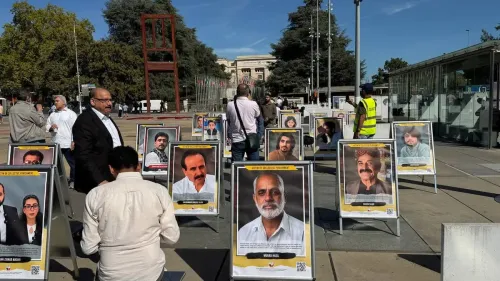
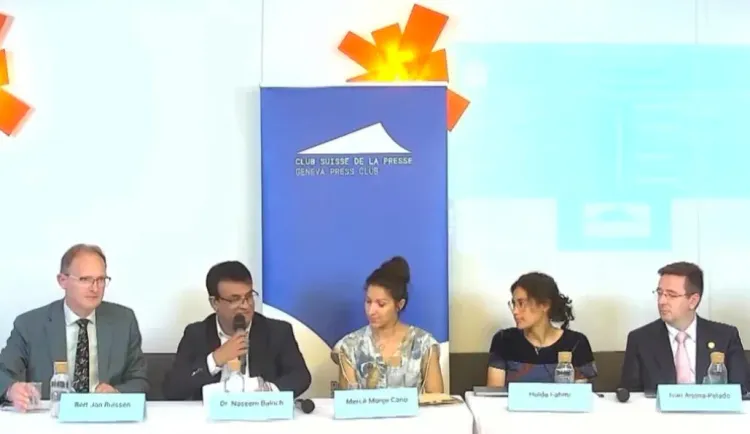
Naseem Baloch , Chairman of the Baloch National Movement (BNM) , addressed the UNHRC 62 sidelines event in Geneva on 3 July .
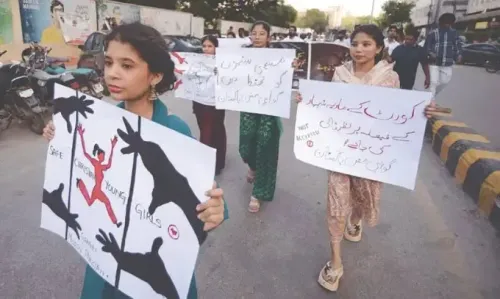
He alleged that Hindu and Christian girls across Pakistan are being abducted, forcibly converted, and married off, with victims' families facing police indifference and court pressure.
Incidents cited include Gojra (2009) , Joseph Colony (2013) , and Jaranwala (2023) as evidence of a systemic pattern, not isolated events.
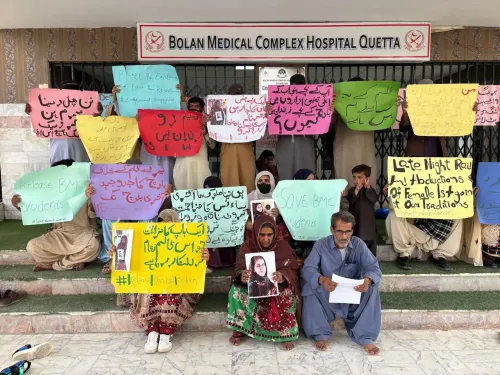
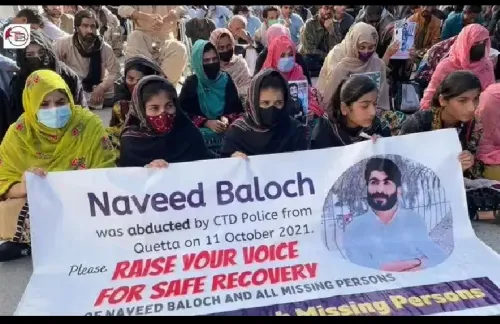
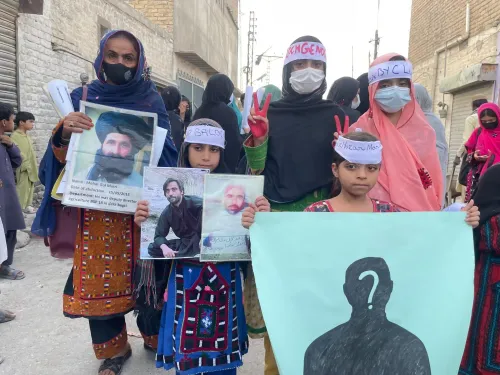
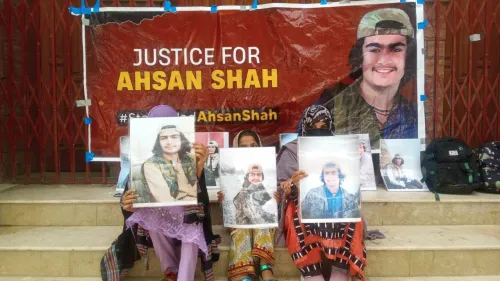
Women in Balochistan reportedly face enforced disappearances, militarisation, and collective punishment, according to Naseem.
He condemned the life imprisonment reportedly handed to Mahrang Baloch , calling her a human rights defender rather than a criminal.
Naseem urged the international community to treat these incidents as part of a broader systemic crisis rather than isolated cases.
Naseem Baloch, Chairman of the Baloch National Movement (BNM), on 3 July alleged before a United Nations forum in Geneva that Hindu and Christian girls across Pakistan are being systematically abducted, forcibly converted, and married off — describing the practice as a grave violation of identity, dignity, freedom of conscience, and fundamental human rights. He was speaking at an event titled 'Forced Conversions and Minority Women' held on the sidelines of the 62nd Session of the United Nations Human Rights Council (UNHRC 62) at the Geneva Press Club.
What Naseem Baloch Alleged
Addressing the gathering, Naseem stated that forced conversion is neither a private matter nor a family dispute. 'Forced conversion is not a private matter. It is not a family dispute. It is not a simple change of faith. It is a violation of identity, dignity, freedom of conscience, family life, and basic human rights. And when this happens to minority women and underage girls, it becomes even more serious. Because the victim is targeted not only as a woman but also as a member of a weaker community,' he said.
He further alleged that the families of victims are frequently too poor, too frightened, or too powerless to seek justice. According to his account, when families approach the police, they are ignored; when they turn to courts, they are pressured; and when they speak out publicly, they face threats.
Province-by-Province Pattern of Persecution
Naseem alleged that the persecution of minorities follows a documented pattern across Pakistan's provinces. In Sindh, he said, Hindu girls are abducted under the pretext of conversion and marriage. In Punjab, Christian communities have reportedly faced mob violence, attacks on churches, and the burning of homes.
He cited three incidents as evidence of a wider culture of religious hatred and state impunity: Gojra in 2009, Joseph Colony in 2013, and Jaranwala in 2023. 'These are not isolated incidents. They are part of a wider culture of religious hatred, state failure, and impunity,' he said.
Balochistan: A Distinct but Linked Crisis
Naseem alleged that women in Balochistan face a distinct yet interconnected form of oppression — one shaped by what he described as occupation, militarisation, enforced disappearances, collective punishment, and extensive state control over society.
He specifically cited the life imprisonment sentences reportedly handed down to Mahrang Baloch and other Baloch activists, calling it a deliberate attempt to silence dissent. 'Mahrang Baloch is not a criminal. She is a human rights defender. She became the voice of thousands of families whose loved ones were forcibly disappeared. Her only crime is that she asked the most basic question: where are our people?' he said, adding that the judgement amounted to punishing those who speak against enforced disappearances rather than ending the practice.
Call to the International Community
Naseem urged the international community to stop treating these incidents as isolated cases and to recognise them as symptoms of a systemic failure. 'A girl abducted in Sindh, a Christian home burned in Punjab, a Baloch mother searching for her disappeared son, a sister forced to speak against her brother, and Mahrang Baloch sentenced to life imprisonment — these are all signs of a deeper crisis,' he stated.
He called on global bodies and governments to take urgent notice of the persecution of religious minorities and the violence against the Baloch people in Pakistan. Whether the UNHRC session will formally take up the allegations remains to be seen, but the address has added a fresh voice to longstanding international scrutiny of Pakistan's minority rights record.
Point of View
And the enforced disappearances targeting Baloch communities. By stitching them together as symptoms of a single state failure, he is making a strategic argument: that Pakistan's minority crisis is structural, not incidental. The citation of Mahrang Baloch's life sentence is particularly pointed, arriving as it does at a UNHRC session where Pakistan is seeking to project a reformist image. Whether Geneva translates concern into formal scrutiny depends on geopolitical calculus that rarely favours the victims being named here.
NationPress
2 Oct 2026
Frequently Asked Questions
What did Naseem Baloch allege at the UNHRC 62 event in Geneva?
Naseem Baloch, Chairman of the Baloch National Movement, alleged on 3 July at a UNHRC 62 sidelines event in Geneva that Hindu and Christian girls across Pakistan are being systematically abducted, forcibly converted, and married off. He described the practice as a violation of identity, dignity, freedom of conscience, and fundamental human rights.
Which incidents did Naseem Baloch cite as evidence of minority persecution in Pakistan?
He cited the attacks on Christian communities in Gojra in 2009, Joseph Colony in 2013, and Jaranwala in 2023, arguing these are not isolated incidents but part of a wider pattern of religious hatred, state failure, and impunity. He also alleged that Hindu girls in Sindh are abducted under the pretext of conversion and marriage.
Who is Mahrang Baloch and why did Naseem Baloch mention her?
Mahrang Baloch is a Baloch human rights defender who reportedly received a life imprisonment sentence, which Naseem Baloch characterised as an attempt to silence those who raise voices against enforced disappearances in Balochistan. He described her as the voice of thousands of families whose loved ones have been forcibly disappeared.
What is the Baloch National Movement (BNM)?
The Baloch National Movement is an organisation that advocates for the rights of the Baloch people and has been vocal about alleged human rights abuses in Balochistan, Pakistan. Its Chairman, Naseem Baloch, has addressed international forums including the United Nations Human Rights Council to raise these concerns.
What action did Naseem Baloch demand from the international community?
He called on the global community to stop treating abuses against minorities and Baloch people in Pakistan as isolated incidents and to recognise them as signs of a deeper systemic crisis. He urged urgent international attention to forced conversions of minority women and the violence against Baloch communities.