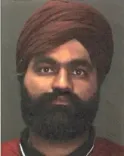
Baloch activist Syed Bibi arrested by Pakistan CTD, rights groups cry foul
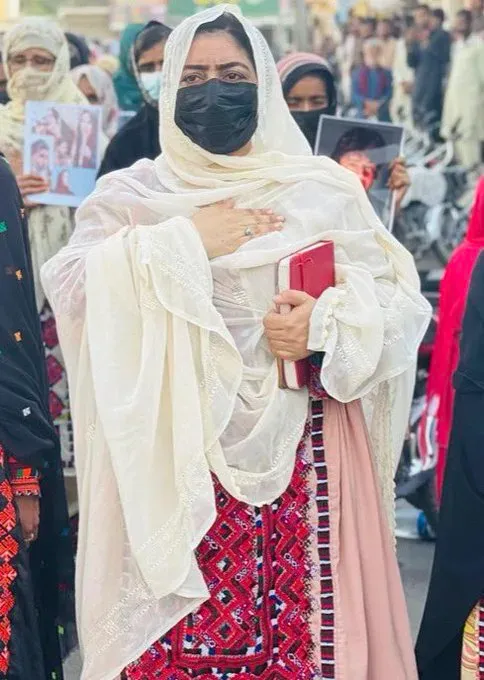
Synopsis
Pakistan's Counter Terrorism Department arrested Baloch activist Syed Bibi on 1 July 2026 — despite her four months of voluntary weekly compliance with CTD reporting orders. Multiple rights groups now allege the detention is part of a systematic campaign to silence peaceful dissent in Balochistan, and are demanding urgent UN intervention.
Key Takeaways
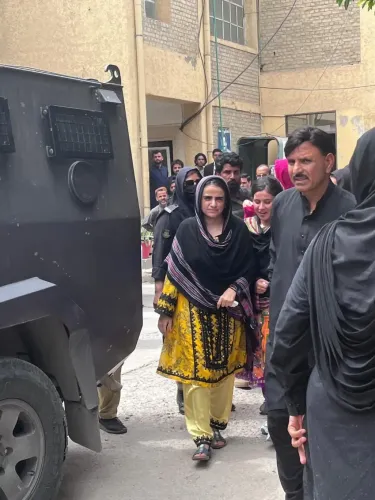
Syed Bibi , a Baloch Yakjehti Committee (BYC) member, was arrested by Pakistan's CTD on 1 July 2026 from her home in Kech district, Balochistan .
Despite being on the Fourth Schedule of Pakistan's Anti-Terrorism Act, Bibi had been voluntarily reporting to the CTD weekly for four months prior to her arrest.
In March 2026 , intelligence-linked individuals reportedly raided and ransacked her home without a warrant.
The Baloch Women Forum (BWF) and Human Rights Council of Balochistan (HRCB) have called the arrest an 'arbitrary deprivation of liberty' and part of a 'systematic pattern of reprisals.' Baloch National Movement (BNM) chairman Naseem Baloch has demanded urgent intervention from the United Nations and international human rights bodies.
Multiple human rights organisations have strongly condemned the arrest of Syed Bibi, a woman activist and member of the Baloch Yakjehti Committee (BYC), by Pakistan's Counter Terrorism Department (CTD) on 1 July 2026 from her residence in Kech district, Balochistan. Rights groups have described the detention as part of an escalating crackdown on peaceful dissent, with some characterising it as 'Pakistani fascism.'
The Arrest and Its Circumstances
According to the BYC, Bibi was taken into custody without any legal justification despite having voluntarily complied with authorities' directives for the past four months, reporting to the CTD office every week. Her name had been placed on the Fourth Schedule of Pakistan's Anti-Terrorism Act — a counterterrorism watch list — though no publicly known conviction for a terrorism-related offence exists against her.
The BYC further alleged that ahead of its announcement of a protest in the Turbat region of Kech, CTD officials repeatedly contacted and harassed Bibi before her arrest, suggesting the detention was intended to suppress legitimate political activity.
Pattern of Harassment, Say Rights Bodies
The Human Rights Council of Balochistan (HRCB) stated that Bibi's arrest is part of a 'sustained pattern of harassment and intimidation' targeting her over the past several years. It noted that in March 2026, individuals in civilian clothing, reportedly affiliated with intelligence agencies, raided her home without presenting a warrant, ransacking the premises before leaving.
The HRCB added that these incidents are 'not isolated' but reflect a 'broader and systematic pattern of reprisals' against individuals perceived to be associated with or supportive of the BYC.
The BYC itself described the Fourth Schedule as a tool being weaponised against 'political activists, students, teachers, ordinary citizens, and even underage children' in Balochistan, arguing that the law is routinely used to summon and harass those listed whenever protests are announced in any city.
Condemnation from Rights Organisations
The Baloch Women Forum (BWF) condemned the arrest, stating that 'holding an individual in custody to prevent or undermine peaceful political activity constitutes an arbitrary deprivation of liberty and represents a serious violation of fundamental rights, including the freedoms of expression, association and peaceful assembly.'
The BWF has called on international human rights organisations, United Nations human rights mechanisms, and the wider international community to urgently demand Bibi's immediate release. It also urged the global community to monitor the alleged misuse of counterterrorism laws against peaceful activists and press Pakistani authorities to honour their obligations under domestic and international human rights standards.
International Intervention Demanded
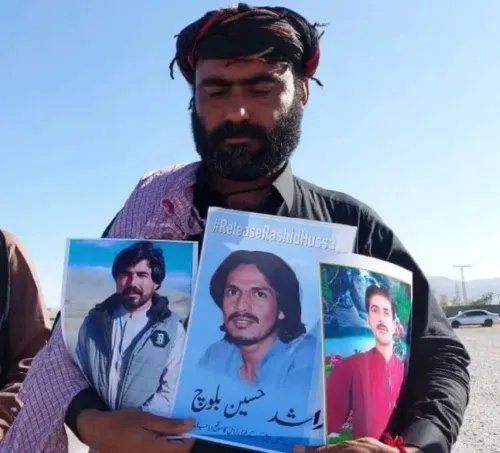
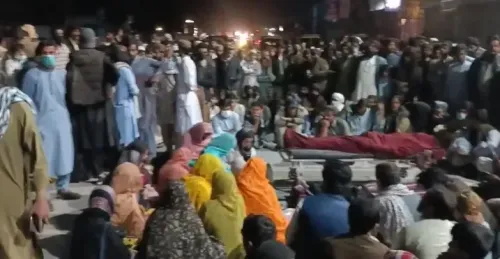
Naseem Baloch, chairman of the Baloch National Movement (BNM), alleged that Bibi's arrest is another instance in an escalating pattern of enforced disappearances in Balochistan. In a post on X, he wrote: 'Another brave Baloch woman, Syed Bibi, has been forcibly abducted and disappeared by Pakistani forces, adding yet another name to the ever-growing list of victims of enforced disappearance in Balochistan. Silence in the face of these disappearances only emboldens the perpetrators. The international community, the United Nations, and human rights organisations must urgently take notice and press Pakistan to end the practice of enforced disappearances.'
The Pakistani government has not issued a public response to these allegations. With international pressure mounting, the fate of Bibi and the broader question of counterterrorism law misuse in Balochistan are likely to draw further scrutiny in the days ahead.
Point of View
Immediately after a BYC protest announcement in Turbat, fits a well-documented pattern: counterterrorism frameworks deployed not against violence, but against the logistics of peaceful assembly. Pakistan's Fourth Schedule has attracted sustained criticism from UN human rights bodies for enabling pre-emptive detention without conviction, and Balochistan has repeatedly topped the country's enforced disappearances count. What is missing from the international response is consequence — condemnations without diplomatic or legal pressure have not historically altered the trajectory in the province.
NationPress
1 Oct 2026
Frequently Asked Questions
Who is Syed Bibi and why was she arrested?
Syed Bibi is a woman activist and member of the Baloch Yakjehti Committee (BYC) who was arrested by Pakistan's Counter Terrorism Department on 1 July 2026 from her residence in Kech district, Balochistan. According to the BYC, no legal justification was provided for the arrest, and she had been voluntarily reporting to the CTD weekly for four months prior to her detention.
What is Pakistan's Fourth Schedule and why is it controversial?
The Fourth Schedule is a provision under Pakistan's Anti-Terrorism Act that allows authorities to place individuals on a counterterrorism watch list, restricting their movement and requiring regular reporting to law enforcement. Rights groups allege it is being misused in Balochistan to harass political activists, students, and ordinary citizens — including minors — without any terrorism conviction.
Which organisations have condemned Syed Bibi's arrest?
The Human Rights Council of Balochistan (HRCB), the Baloch Women Forum (BWF), and the Baloch National Movement (BNM) have all condemned the arrest. They have called on the United Nations and the international community to demand Bibi's immediate release and to scrutinise the use of counterterrorism laws against peaceful activists.
What previous incidents of harassment has Syed Bibi faced?
According to the HRCB, Bibi was placed on the Fourth Schedule in 2025 despite no publicly known terrorism conviction. In March 2026, individuals reportedly linked to intelligence agencies raided her home without a warrant and ransacked the premises. Rights groups describe these as part of a sustained pattern of intimidation.
What has the international community been asked to do?
The Baloch Women Forum has urged international human rights organisations and UN human rights mechanisms to demand Bibi's immediate release and monitor the alleged misuse of counterterrorism laws in Balochistan. BNM chairman Naseem Baloch has specifically called on the United Nations to press Pakistan to end the practice of enforced disappearances in the region.