Balochistan: 29 extrajudicial killings, 56 disappearances in March 2026, rights body reports
Synopsis
Rights body Paank has recorded 29 extrajudicial killings and 56 enforced disappearances in Balochistan in a single month — March 2026. The figures arrive alongside the reported killing of poet-scholar Professor Ghamkhar Hayat Baloch, whom rights groups say was shot dead by Pakistan-backed death squads, deepening concerns about the systematic silencing of Baloch intellectuals and civilians.
Key Takeaways
Paank documented 29 extrajudicial killings and 56 enforced disappearances in Balochistan during March 2026 .
The organisation described the abuses as reflecting a 'climate of impunity and fear' driven by Pakistani security forces .
Poet and academician Professor Ghamkhar Hayat Baloch was reportedly killed on 16 May in Nushki district , according to the Baloch Yakjehti Committee (BYC) .
The BYC linked the killing to a broader pattern targeting Baloch teachers, intellectuals, journalists, and political activists.
Both Paank and BYC have called on the United Nations and international civil society to press Pakistan for accountability.
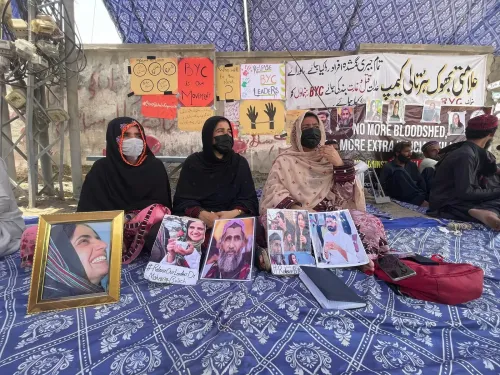
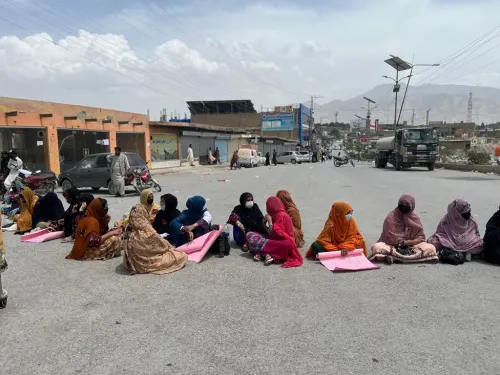
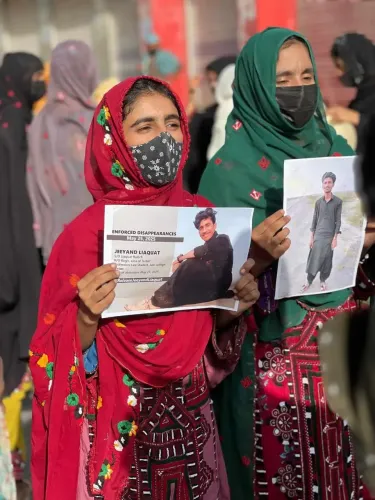
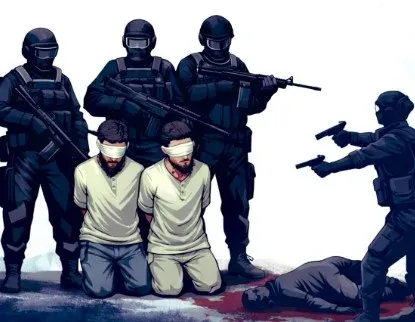
Human rights organisation Paank, the Baloch National Movement's Human Rights Department, has documented 29 extrajudicial killings and 56 enforced disappearances in Balochistan during March 2026 alone, flagging what it describes as a systematic pattern of state repression by Pakistani security forces. The findings, released in Paank's latest report, point to what the organisation calls the 'lethal consequences of unchecked state power' across the province.
Key Findings From the March 2026 Report
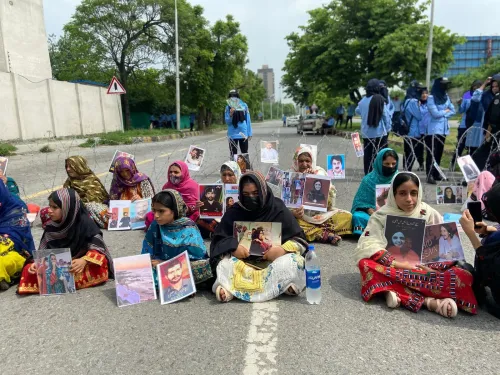
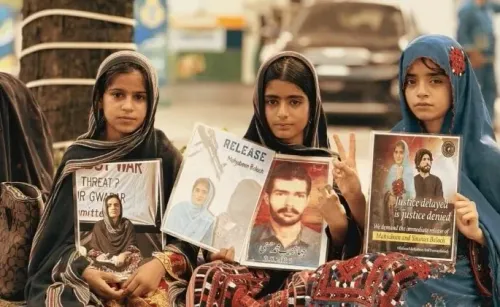
Paank's documentation covers a range of abuses including arbitrary detentions, physical and psychological torture, and what the organisation characterises as unlawful executions. The 56 enforced disappearances recorded in March reflect what Paank describes as 'widespread and systematic targeting of civilians.'
'The cases recorded during March 2026 reveal a deeply concerning pattern of state repression, arbitrary detentions, physical and psychological torture, and unlawful executions carried out by Pakistani security forces. These abuses underscore a continuing climate of impunity and fear across Balochistan,' Paank stated in its report.
The organisation has urged international human rights bodies, the United Nations, and global civil society to take immediate notice of the deteriorating situation and press for accountability, justice, and civilian protection.
Killing of Academician Ghamkhar Hayat
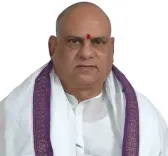
In a separate but related development, the Baloch Yakjehti Committee (BYC) strongly condemned the killing of academician, poet, and literary scholar Professor Ghamkhar Hayat Baloch. According to the BYC, Hayat was reportedly shot dead on 16 May in the Killi Mengal area of Nushki district by individuals the organisation links to Pakistan-backed death squads.
'The savage killing of the renowned writer, intellectual, and professor, Professor Ghamkhar Hayat Baloch, is a continuation of the ongoing policy in Balochistan, where knowledge, the pen, and consciousness are being silenced through state coercion. This tragic incident is not merely the murder of an individual but a brutal assault on the intellectual foundations of the Baloch nation,' the BYC stated.
A Pattern of Targeting Intellectuals
The BYC contends that teachers, intellectuals, journalists, students, and political activists have been systematically targeted in Balochistan for decades. The organisation drew a direct line from the killing of Professor Saba Dashtiyari to Professor Razzaq and now to Professor Ghamkhar Hayat, describing the pattern as the 'ongoing genocide of Baloch knowledge and consciousness.'
Notably, the BYC added: 'Although Professor Ghamkhar Hayat's voice has been physically silenced, his scholarly legacy, his writings, and his consciousness will forever remain alive to guide the Baloch nation and future generations.'
International Accountability Demanded
Both Paank and the BYC have called for urgent international intervention. Paank specifically urged the UN and global civil society to press Pakistan for accountability. The reports come amid longstanding allegations — denied by Islamabad — of systematic human rights violations in Balochistan, a resource-rich province that has seen decades of armed insurgency and counter-insurgency operations. How the international community responds to these documented cases will be closely watched by human rights advocates globally.
Point of View
Recurring pattern that international bodies have repeatedly failed to act on decisively. The killing of Professor Ghamkhar Hayat Baloch is particularly significant: targeting intellectuals and educators is a calculated strategy to erode collective memory and resistance, not collateral damage. Pakistan's consistent denial of systematic abuses, combined with the absence of independent media access to Balochistan, makes third-party verification difficult — but the volume and consistency of rights-body documentation is itself a signal that demands scrutiny. The UN's silence in the face of repeated appeals from groups like Paank raises uncomfortable questions about the limits of international human rights architecture when geopolitical interests are in play.
NationPress
14 Oct 2026
Frequently Asked Questions
What did Paank's March 2026 report on Balochistan document?
Paank, the Baloch National Movement's Human Rights Department, documented 29 extrajudicial killings and 56 enforced disappearances in Balochistan during March 2026. The report also cited arbitrary detentions and physical and psychological torture carried out by Pakistani security forces.
Who was Professor Ghamkhar Hayat Baloch and what happened to him?
Professor Ghamkhar Hayat Baloch was a prominent Baloch poet, literary scholar, and educator. He was reportedly shot dead on 16 May in the Killi Mengal area of Nushki district, Balochistan, by individuals the Baloch Yakjehti Committee linked to Pakistan-backed death squads.
What is Paank and why does its report matter?
Paank is the Human Rights Department of the Baloch National Movement and one of the primary bodies documenting abuses in Balochistan. Its reports matter because independent media access to the province is severely restricted, making rights-body documentation a key source of on-ground information.
What has the Baloch Yakjehti Committee said about violence in Balochistan?
The BYC has condemned the killing of Professor Ghamkhar Hayat Baloch and described it as part of a decades-long systematic policy targeting Baloch intellectuals, teachers, journalists, students, and activists. It characterised this pattern as the 'ongoing genocide of Baloch knowledge and consciousness.'
What action have rights groups demanded over Balochistan abuses?
Both Paank and the BYC have called on the United Nations, international human rights organisations, and global civil society to take immediate notice of the situation and press Pakistan for accountability, justice, and the protection of civilians.