Balochistan 'ablaze' as violence spreads to Quetta outskirts, BYC warns
Synopsis
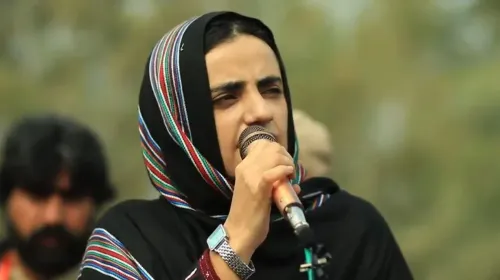
Baloch human rights activist Sammi Deen Baloch has declared Balochistan 'ablaze', alleging violence has reached the outskirts of Quetta and that Pakistani authorities are deflecting accountability by blaming nationalist groups. The BYC separately alleges that the family of a disappeared man in Gwadar had their home demolished by state forces — a pattern it calls institutionalised collective punishment.
Key Takeaways
Sammi Deen Baloch of the Baloch Yakjehti Committee (BYC) alleged on 10 July that Balochistan is 'ablaze' with violence spreading to Quetta 's outskirts and Hanna Urak .
She accused the Pakistani federal government and provincial administration of deflecting blame onto Baloch and Pashtun nationalists rather than addressing root causes.
The BYC alleged 'retaliatory actions' against the family of Asghar Ali of Jiwani, Gwadar , following his reported enforced disappearance, including demolition of their home.
The rights body described the demolition of multiple residences as evidence that 'collective punishment has been institutionalised as official state policy.' The Pakistani government has not issued a public response to the specific allegations raised on 10 July .
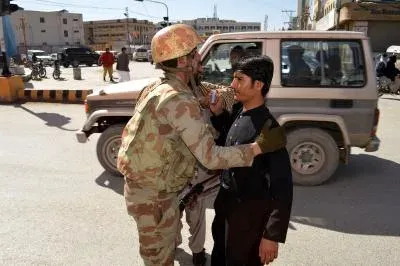
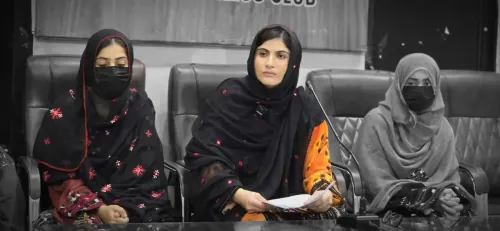
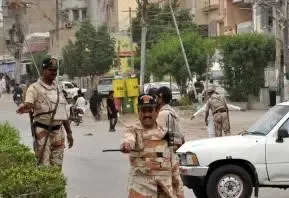
Sammi Deen Baloch, a member of the human rights organisation Baloch Yakjehti Committee (BYC), has alleged that Balochistan is currently 'ablaze', with the law and order situation across the province deteriorating to what she described as an alarmingly critical level. Speaking on 10 July, she claimed that violence and unrest have engulfed several areas including Ziarat, and have now spread to the outskirts of the provincial capital Quetta as well as the Hanna Urak area.
Activist's Allegations Against Pakistani Authorities
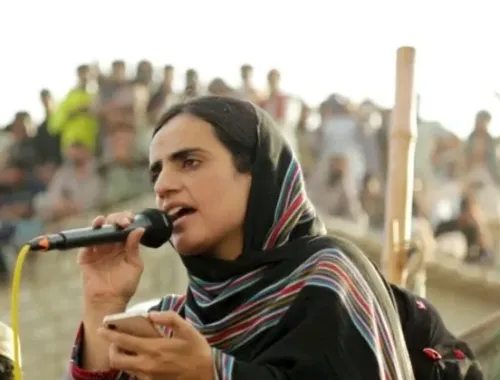
Sharply critical of the Pakistani federal and provincial governments, Sammi took to X to post: 'Instead of reviewing the root causes of this grave security crisis, the federal government, its controlled media, the puppet provincial government in Balochistan, and its social media brigade are relentlessly engaged in blaming Baloch and Pashtun nationalists, the Baloch Yakjehti Committee and its leadership, and peaceful human rights activists for the unrest.'
She further alleged that neither the media, nor civil society, nor other relevant circles are holding the Pakistani government accountable for what she called its 'anti-people policies, security failures, corruption, poor governance, failure to establish the rule of law, and failure to fulfil its responsibilities in protecting citizens' lives and property.'
'In a democratic and civilised society, in the face of such grave failures, it is expected that responsible officials accept their accountability and resign from their positions; yet here, instead of taking responsibility, accusations are being levelled at others,' Sammi added.
BYC Raises Alarm Over Alleged Reprisals Against Disappeared Man's Family
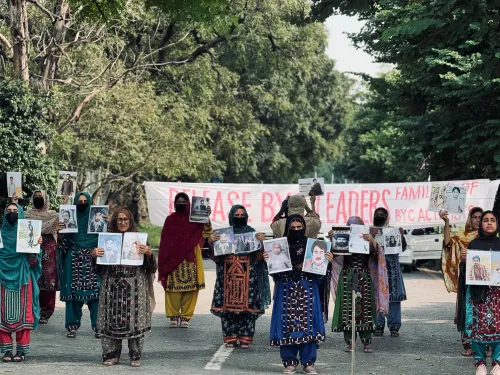
Separately, the BYC expressed serious concern over what it described as 'retaliatory actions' by Pakistani forces against the family of Asghar Ali, a resident of Jiwani in Balochistan's Gwadar district, following his alleged enforced disappearance.
According to the BYC, the family has reportedly been subjected to repeated raids, harassment, coerced statements, and the demolition of their home using heavy machinery. 'It was not deemed sufficient to forcibly disappear a young man; instead, his family members are also being continuously subjected to state repression,' the rights body stated.
Homes Demolished, Collective Punishment Alleged
The BYC further claimed that several other residences in the region were also demolished, describing the actions as evidence that 'collective punishment has been institutionalised as official state policy.' Over the past several months, the committee said, there has been a sharp increase in incidents of Pakistani forces allegedly burning, breaking, and demolishing homes with heavy machinery while looting property across Balochistan.
'Forcibly evicting any ordinary citizen from their home without legal justification or a court order, forcing family members to stand in the scorching sun, and demolishing their home in front of them is an example of the worst state repression,' the BYC stated, adding that making 'the Baloch homeland unbearable for the Baloch is nothing short of Baloch genocide.'
Context and What to Watch
These allegations come amid a long-running conflict in Balochistan, where rights groups have for years documented cases of enforced disappearances, extrajudicial killings, and destruction of property — charges the Pakistani state has consistently denied or disputed. The BYC, led by activists including Sammi Deen Baloch, has been at the forefront of documenting and publicising such cases. The Pakistani government has not yet issued a public response to the specific allegations raised on 10 July. International human rights observers are expected to take note of the latest claims as pressure mounts on Islamabad over the situation in the province.
Point of View
State silence, and international hand-wringing — with little accountability on either side. What is notable here is the geographic spread Sammi Deen Baloch describes, with unrest reportedly reaching Quetta's outskirts — a city that has historically been insulated from the worst of the province's violence. The allegation of home demolitions as systematic collective punishment, if verified independently, would represent a significant escalation in documented state conduct. Pakistan's continued non-engagement with these specific claims only deepens the credibility deficit it faces before international human rights bodies.
NationPress
9 Oct 2026
Frequently Asked Questions
What did Sammi Deen Baloch allege about Balochistan?
Sammi Deen Baloch, a member of the Baloch Yakjehti Committee (BYC), alleged on 10 July that Balochistan is 'ablaze', with violence and unrest spreading across areas including Ziarat, Hanna Urak, and the outskirts of the provincial capital Quetta. She accused Pakistani authorities of blaming activists rather than addressing the root causes of the crisis.
Who is the Baloch Yakjehti Committee (BYC)?
The Baloch Yakjehti Committee (BYC) is a human rights organisation that documents and publicises alleged state abuses in Balochistan, including enforced disappearances and extrajudicial actions. It has been a prominent voice raising concerns about the treatment of Baloch civilians by Pakistani security forces.
What happened to Asghar Ali's family in Gwadar?
According to the BYC, Asghar Ali, a resident of Jiwani in Gwadar district, reportedly underwent an enforced disappearance, after which his family allegedly faced repeated raids, harassment, and the demolition of their home by Pakistani forces using heavy machinery. The BYC described this as an example of collective punishment.
Has the Pakistani government responded to these allegations?
As of 10 July, the Pakistani government had not issued a public response to the specific allegations raised by Sammi Deen Baloch or the BYC regarding the violence in Balochistan or the alleged reprisals against Asghar Ali's family.
Why does the situation in Balochistan matter beyond Pakistan?
Balochistan has been the site of a long-running conflict with documented allegations of enforced disappearances, extrajudicial killings, and property destruction, drawing scrutiny from international human rights organisations. The province is also strategically significant as the corridor for the China-Pakistan Economic Corridor (CPEC), making instability there a matter of regional concern.