Balochistan: Extrajudicial killing and two women forcibly disappeared by Pakistani forces
Synopsis
Aamir Noor was released from Pakistani custody on 24 April 2026 — and shot dead just four days later. Rights groups say he is one of 10 people killed after release from enforced disappearance since January 2025, revealing what the HRCB calls a systematic pattern of post-release persecution in Balochistan.
Key Takeaways
Aamir Noor , a resident of Kech district , was shot dead on 28 April 2026 by an alleged state-backed death squad, just four days after his release from enforced disappearance.
The HRCB documented that between January 2025 and April 2026 , 10 of 11 individuals targeted after release from custody were killed, with one surviving an attempted attack.
Two Baloch women — Zubaida and her daughter-in-law Zarnaz — were allegedly forcibly disappeared in a late-night raid in the Tejaban area of Kech district .
Zubaida's son Daulat was reportedly killed by a Pakistan-backed death squad on 18 February , making her family the target of multiple alleged state actions.
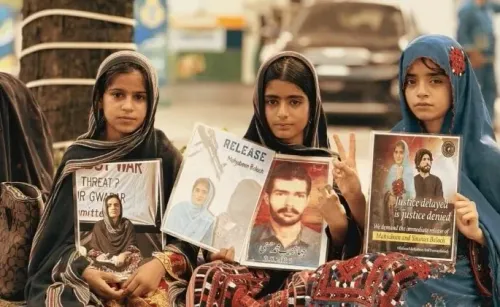
The Baloch Women Forum called for "immediate, effective and meaningful action" from all concerned institutions to end enforced disappearances.
Human rights organisations in Balochistan have documented the extrajudicial killing of a man and the enforced disappearances of two women, both allegedly carried out by Pakistani forces and state-backed death squads, according to reports emerging from Quetta on 30 April 2026.
Extrajudicial Killing of Aamir Noor
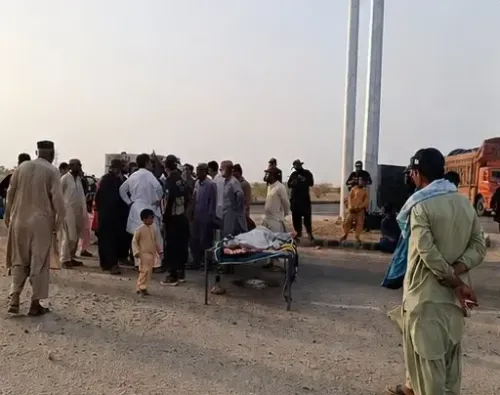
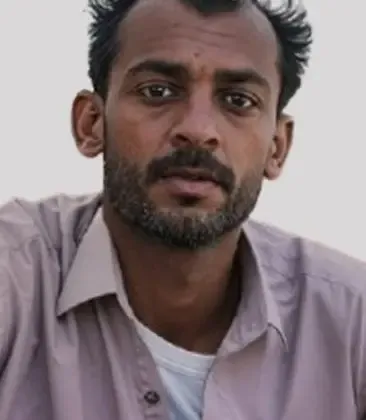
The Human Rights Council of Balochistan (HRCB) reported that Aamir Noor, a resident of the Tump region of Kech district, was shot dead on 28 April 2026 while travelling with his wife and sister to Karachi for medical treatment. According to HRCB, members of an alleged state-backed death squad intercepted their bus, forced Noor off the vehicle, and opened fire, killing him on the spot and injuring the two women accompanying him.
Notably, Noor had previously been subjected to enforced disappearance by Pakistani forces on 4 November 2024 and was only released on 24 April 2026 — just four days before his killing — after prolonged detention.
A Documented Pattern: 10 Killed After Release From Custody
HRCB expressed grave concern over what it described as a systematic pattern of targeting individuals after their release from detention. The rights body stated that between January 2025 and April 2026, a total of 11 individuals who had been subjected to enforced disappearance were subsequently targeted following their release. Of these, ten lost their lives, while one survived an attempted attack.
"These incidents were carried out by local death squads, raising serious concerns over continued persecution even after release from custody," HRCB stated. This comes amid sustained international concern over the human rights situation in Balochistan, where enforced disappearances and extrajudicial killings have been documented by multiple rights groups over several years.
Two Women Forcibly Disappeared in Tejaban, Kech District
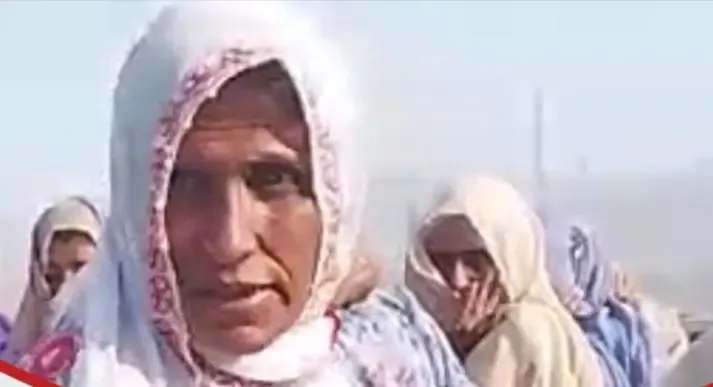
Separately, the Baloch Women Forum (BWF) reported that two Baloch women — Zubaida and her daughter-in-law Zarnaz — were allegedly taken into custody by Pakistani forces during a late-night raid at their residence in the Tejaban area of Kech district. Their whereabouts have remained unknown since the raid, according to the BWF.
This incident follows an earlier tragedy: Zubaida's son, Daulat, was reportedly killed on 18 February by a Pakistan-backed death squad. The subsequent disappearance of Daulat's mother and wife has, according to the BWF, further intensified the family's suffering and raised serious humanitarian and human rights concerns.
Rights Bodies Call for Immediate Action
The BWF reiterated that enforced disappearances constitute a grave violation of fundamental human rights under any circumstances. "The safety, dignity and protection of all women must be ensured without delay," the forum stated. It called on all concerned institutions to take "immediate, effective and meaningful action to end these practices and prevent further suffering of affected families."
With both the HRCB and BWF issuing fresh alerts within the same reporting period, pressure is likely to mount on international human rights mechanisms to respond to the deteriorating situation in Balochistan.
Point of View
Whose family has already lost a son to a reported death squad killing, signals an escalation toward collective punishment. Pakistan's federal government has consistently denied state involvement in such operations, but the persistence of these incidents across years and districts undermines that denial. International human rights mechanisms have repeatedly flagged Balochistan, yet accountability remains conspicuously absent.
NationPress
19 Sept 2026
Frequently Asked Questions
Who was Aamir Noor and how was he killed?
Aamir Noor was a resident of the Tump region of Kech district, Balochistan. According to the HRCB, he was shot dead on 28 April 2026 by an alleged state-backed death squad while travelling with his wife and sister to Karachi for medical treatment, just four days after being released from enforced disappearance.
Who are Zubaida and Zarnaz, and why were they allegedly disappeared?
Zubaida and her daughter-in-law Zarnaz are two Baloch women allegedly taken into custody by Pakistani forces during a late-night raid in the Tejaban area of Kech district. Their disappearance follows the reported killing of Zubaida's son Daulat on 18 February by a Pakistan-backed death squad.
What pattern has the HRCB identified in Balochistan?
The HRCB says that between January 2025 and April 2026, 11 individuals subjected to enforced disappearance were subsequently targeted after their release. Ten of them were killed and one survived an attempted attack, which the rights body describes as a serious pattern of post-release persecution.
What has the Baloch Women Forum demanded?
The Baloch Women Forum has called on all concerned institutions to take immediate, effective and meaningful action to end enforced disappearances and protect women's safety and dignity. It described such disappearances as a grave violation of fundamental human rights.
What is the broader human rights situation in Balochistan?
Balochistan has been the subject of sustained international concern over enforced disappearances and extrajudicial killings, documented by multiple rights organisations over several years. Pakistani authorities have generally denied state involvement, but rights groups continue to report incidents involving alleged state-backed actors.