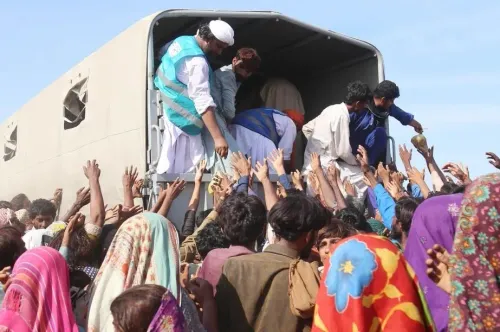
Bangladesh in top 10 for acute food crisis: 1.6 crore hit in 2025
Synopsis
The 2026 Global Report on Food Crises places Bangladesh among the world's top 10 most food-insecure nations, with 1.6 crore people affected at peak in 2025. Economists warn this is not a supply problem — it is a structural failure of affordability, nutrition, and inequality that remittances alone cannot fix.
Key Takeaways
The 2026 GRFC lists Bangladesh among the top 10 countries for acute food insecurity.
Approximately 1.6 crore people — 17% of the analysed population — faced crisis-level food insecurity during the 2025 peak .
The analysis covered only 59% of Bangladesh's total population, suggesting the true scale could be larger.
Sustained inflation in rice, edible oil, lentils, eggs, fish, and vegetables has forced households to cut protein intake and borrow informally.
Remittance inflows cushioned some households in 2025 but are unevenly distributed and cannot replace a national food security strategy.
Dr Selim Raihan of Dhaka University calls for policy to shift from staple availability to ensuring poor households can afford a nutritious diet year-round.
The 2026 Global Report on Food Crises (GRFC) has listed Bangladesh among the top 10 countries with the largest number of people facing acute food insecurity, with approximately 1.6 crore people experiencing crisis-level food insecurity or worse during the 2025 peak, according to a report cited by The Daily Star, a Dhaka-based newspaper. The affected population represented 17 per cent of the analysed population, though the report notes that the analysis covered only 59 per cent of Bangladesh's total population.
Scale of the Crisis
The GRFC's findings place Bangladesh alongside some of the world's most food-stressed nations, underscoring a challenge that extends well beyond short-term supply disruptions. Dr Selim Raihan, professor of economics at Dhaka University, writing in The Daily Star, argues that the persistence of food insecurity reflects deeper structural failures — including low and unstable incomes, weak purchasing power, regional deprivation, climate exposure, and gaps in social protection.
According to Dr Raihan, for most affected households the problem is not that food is unavailable in markets, but that it remains unaffordable, diets are nutritionally poor, and coping mechanisms are already exhausted.
How Food Inflation Is Changing Household Behaviour
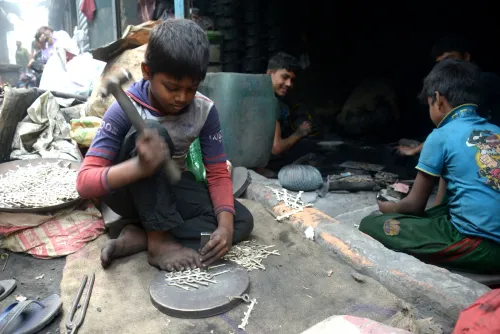
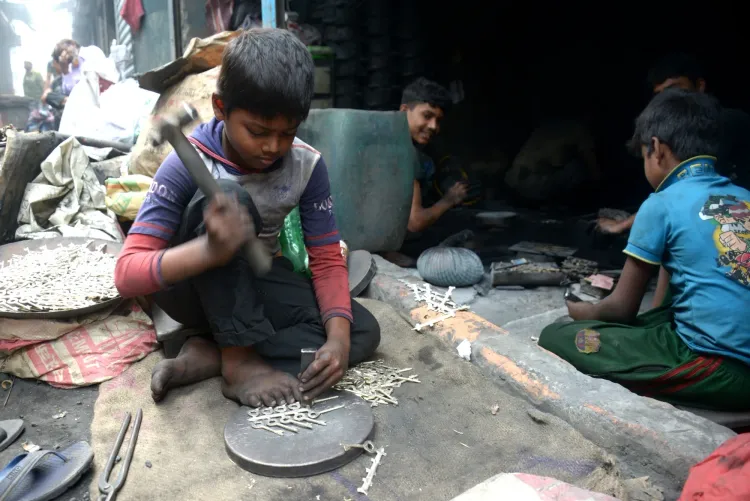
Sustained food inflation in recent years has visibly altered consumption patterns across Bangladesh. Families have reportedly reduced protein intake, shifted to cheaper staples, postponed health spending, borrowed from informal sources, and cut back on children's needs, according to the analysis.
When essentials such as rice, edible oil, lentils, eggs, fish, and vegetables remain expensive over extended periods, the damage registers primarily at the nutritional level. Children are among the most vulnerable, suffering what Dr Raihan describes as a silent toll. Women in affected households often eat last and eat less, while elderly people in poor homes become increasingly dependent on irregular support.
The Remittance Buffer and Its Limits
Remittance inflows provided some relief in 2025, but analysts caution against over-reliance on this buffer. According to the article, remittances are unevenly distributed across regions and households — supporting many families but unable to substitute for a comprehensive national food security strategy. The food security challenge is, therefore, also a question of inequality, the analysis notes.
Policy Gaps and the Way Forward
Bangladesh has performed reasonably well in expanding rice production and maintaining staple supplies, but Dr Raihan argues that food security demands a broader policy lens. The focus, he contends, must shift from asking
Point of View
Yet 1.6 crore people still hit crisis levels in 2025. That gap between production success and nutritional failure points to a policy architecture that measures the wrong things. Headline inflation and rice availability are tracked; affordable dietary diversity is not. Until food security monitoring shifts to nutrition-sensitive indicators — and social protection reaches the households that remittances miss — Bangladesh risks normalising a crisis that is both preventable and deepening.
NationPress
26 Sept 2026
Frequently Asked Questions
Why is Bangladesh listed among the top 10 countries in the 2026 Global Report on Food Crises?
The 2026 GRFC ranked Bangladesh in the top 10 because approximately 1.6 crore people — 17% of the analysed population — faced crisis-level acute food insecurity during the 2025 peak. Structural issues including low incomes, weak purchasing power, and food affordability gaps were cited as key drivers.
How many people in Bangladesh faced acute food insecurity in 2025?
Around 1.6 crore people in Bangladesh experienced crisis-level food insecurity or worse during the 2025 peak, according to the GRFC. The report notes this figure covers 59% of the total population, meaning the actual number could be higher.
What is causing food insecurity in Bangladesh?
According to economist Dr Selim Raihan of Dhaka University, the crisis is structural rather than a supply shortage. Key causes include low and unstable incomes, weak purchasing power, regional deprivation, climate vulnerability, poor nutrition outcomes, and gaps in social protection.
How has food inflation affected Bangladeshi households?
Sustained inflation in essentials like rice, edible oil, lentils, eggs, fish, and vegetables has forced families to reduce protein intake, shift to cheaper staples, borrow informally, postpone health spending, and cut children's needs. Women and the elderly in poor households are disproportionately affected.
What policy changes are being recommended to address Bangladesh's food crisis?
Dr Selim Raihan recommends shifting the policy focus from staple food availability to ensuring poor households can afford a nutritious diet throughout the year. This includes regular monitoring of food baskets beyond headline inflation and building a national food security strategy that does not rely on remittance inflows.