Bangladesh Murders Surge 14% in Q1 2026 Amid Law and Order Crisis
Synopsis
Bangladesh recorded a shocking 14% rise in murders in Q1 2026, with mob attacks continuing despite repeated government assurances. A doctor was stabbed in central Dhaka, and lawmakers are publicly confronting the Home Minister over his failure to curb the violence under the 18-month Yunus interim government.
Key Takeaways
Murders in Bangladesh rose 14 per cent in Q1 2026 compared to the same quarter in 2025, according to police data cited by local media.
A doctor was stabbed in Mohakhali, Dhaka on Monday, April 21, 2026 , in one of a series of violent incidents fuelling public insecurity.
Home Minister Salahuddin Ahmed has repeatedly assured Parliament that mob violence would end, but attacks have continued under the Muhammad Yunus interim government .
Independent MP Rumeen Farhana confronted the Home Minister in a parliamentary session, stating that "one mob attack after another" continues across Bangladesh.
The Dhaka Tribune editorial linked rising crime to a broader threat to Bangladesh's economic growth, social cohesion, and national stability .
The crime surge is compounded by energy security concerns tied to the Iran war , which is raising the cost of living for ordinary Bangladeshis.
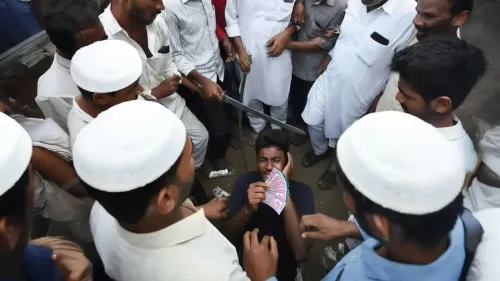
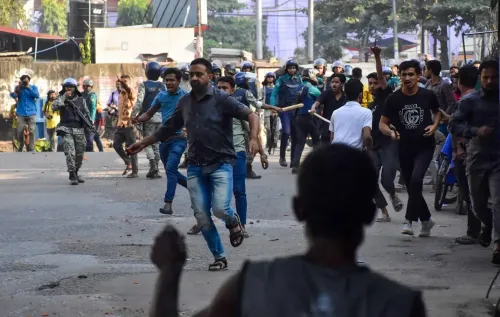
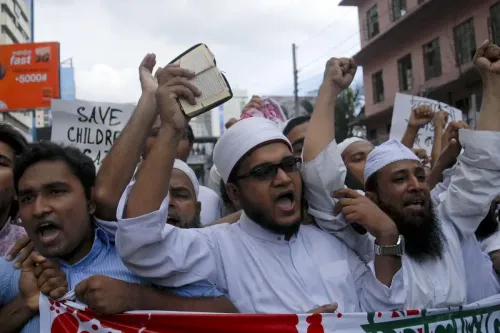
Dhaka, April 23, 2026 — Bangladesh is grappling with a sharp escalation in violent crime, with murder cases rising 14 per cent in the first quarter of 2026 compared to the same period in 2025, according to police data cited by local media. The alarming figures come as public anxiety over deteriorating law and order reaches a tipping point, with brazen attacks — including the stabbing of a doctor in Mohakhali, Dhaka on Monday — highlighting the growing sense of insecurity across the country.
Surge in Violent Crime: What the Data Shows
The Dhaka Tribune, one of Bangladesh's leading English-language dailies, published an editorial underscoring the gravity of the situation. The report noted that violent crimes are occurring with increasing frequency and boldness, while the most dangerous trend is the perception of impunity among perpetrators.
According to the editorial, criminal networks flourish "when policing is weak, investigations are slow, and justice is delayed" — conditions that critics say have become deeply entrenched in Bangladesh's law enforcement system. The report warned that without prompt accountability, crime becomes normalised and fear becomes part of everyday life for ordinary citizens.
The Dhaka Tribune further argued that rising crime in Bangladesh is no longer just a law and order problem — it has evolved into a direct threat to economic growth, social cohesion, and national stability.
Mob Attacks Persist Despite Government Assurances
Rumeen Farhana, an independent member of the Bangladesh Parliament, publicly confronted Home Minister Salahuddin Ahmed during a parliamentary session on Monday, slamming the government's failure to curb mob violence despite repeated promises.
"The Home Minister is present here. Not once, not twice, but several times he assured us that mob culture would no longer exist in Bangladesh," Farhana said, as reported by The Daily Star. She added: "The minister assured all that the culture of impunity would end and people would get justice. Yet we have seen one mob attack after another continue across the country."
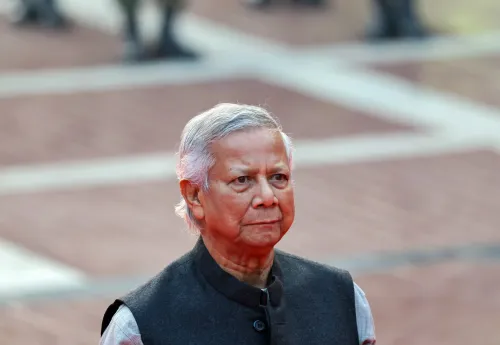
Her remarks highlight a glaring contradiction at the heart of the Muhammad Yunus-led interim government, which has been in power for approximately 18 months. Despite multiple assurances from the Home Ministry, mob attacks have continued unabated — a pattern critics say reflects either an inability or unwillingness to enforce order.
Broader Context: Yunus Government Under Scrutiny
The Muhammad Yunus interim government assumed power in Bangladesh following the political upheaval of mid-2024, promising to restore democratic norms and public safety. However, the 18-month tenure has been increasingly defined by rising mob violence, weakened institutional authority, and growing public frustration.
Notably, the current crime surge is unfolding against a backdrop of compounding crises. The Dhaka Tribune editorial specifically referenced the Iran war as a factor threatening regional energy security and pushing up the cost of living in Bangladesh — a country heavily dependent on energy imports. Citizens facing economic stress are simultaneously confronting an unsafe street environment, a combination that analysts warn could fuel broader social unrest.
This is not an isolated data point. Bangladesh has historically struggled with weak prosecutorial infrastructure and slow judicial processes, but the current figures represent a measurable worsening of an already fragile security ecosystem. The 14 per cent rise in murders in just one quarter signals a trend, not an anomaly.
Impact on Citizens and Economic Stability
The human cost of this crime wave extends beyond statistics. The stabbing of a doctor in Mohakhali — a relatively central, urban area of Dhaka — is particularly symbolic. When professionals in the capital are targeted in broad daylight, it sends a chilling message about the reach of violent crime beyond peripheral or rural areas.
For Bangladesh's economy, which relies significantly on its garment export sector and a large urban workforce, persistent insecurity can deter foreign investment and disrupt daily commerce. The Dhaka Tribune editorial was unambiguous: "The surge in murders and violent attacks in 2026 must serve as a wake-up call for the government to act decisively."
Civil society groups and opposition voices are increasingly calling for structural reforms in policing, faster judicial processes, and transparent accountability mechanisms for law enforcement officials who fail to act on reported crimes.
What to Watch Next
With Bangladesh's political landscape remaining volatile and the Yunus interim government facing mounting criticism from lawmakers like Rumeen Farhana, the coming weeks will be critical. Parliamentary pressure, civil society advocacy, and media scrutiny are likely to intensify demands for a concrete anti-crime action plan. Whether Home Minister Salahuddin Ahmed can translate repeated assurances into measurable results on the ground will be the defining test of the government's credibility on public safety — and potentially its broader political legitimacy.
Point of View
While mob attacks continue with impunity. What's missing from the mainstream narrative is the compounding effect — economic stress from the Iran-linked energy crisis, weakening institutional trust, and a justice system too slow to deter. Bangladesh is not just facing a law and order problem; it is facing a governance credibility crisis that could destabilise the country's fragile democratic transition.
NationPress
25 Sept 2026
Frequently Asked Questions
How much have murders increased in Bangladesh in 2026?
Murders in Bangladesh rose by 14 per cent in the first quarter of 2026 compared to the same period in 2025, according to police data cited by local media including the Dhaka Tribune. The surge has intensified public concern over deteriorating law and order across the country.
What did Bangladesh's Home Minister say about mob attacks?
Home Minister Salahuddin Ahmed repeatedly assured Parliament that mob culture would no longer be tolerated in Bangladesh. However, independent MP Rumeen Farhana publicly challenged him in a parliamentary session, pointing out that mob attacks have continued unabated despite his multiple assurances.
What is the law and order situation under Muhammad Yunus's government?
Under the 18-month tenure of Muhammad Yunus's interim government, Bangladesh has witnessed escalating mob attacks and a measurable rise in violent crime. Critics argue that weak policing, slow investigations, and delayed justice have created an environment of impunity.
Why is rising crime a threat to Bangladesh's economy?
The Dhaka Tribune editorial warned that rising violent crime threatens Bangladesh's economic growth, social cohesion, and national stability. Persistent insecurity can deter foreign investment, disrupt daily commerce, and compound existing economic pressures such as rising energy costs linked to the Iran conflict.
Who is Rumeen Farhana and why is she significant in this context?
Rumeen Farhana is an independent member of the Bangladesh Parliament who publicly confronted Home Minister Salahuddin Ahmed over the government's failure to stop mob violence. Her parliamentary statement, reported by The Daily Star, has amplified opposition criticism of the Yunus government's law and order record.