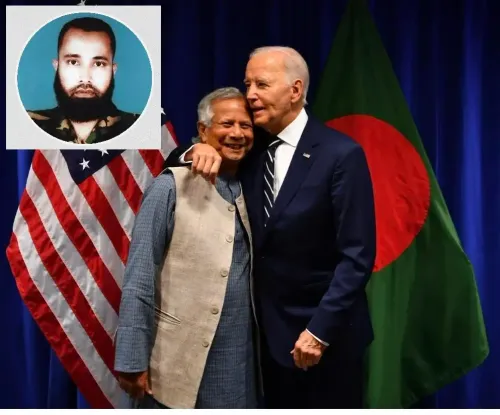
Bangladesh ex-officers seek relief for US-wanted terror fugitive Major Zia
Synopsis
Retired Bangladesh military officers are reportedly working to legally rehabilitate a US-designated terror fugitive convicted in the 2015 machete murder of American citizen Avijit Roy — even as a $5 million US reward stands and the UN Security Council warns that AQIS is using Bangladesh to build terror cells. If the campaign succeeds, it could fracture one of South Asia's most consequential counterterrorism partnerships.
Key Takeaways
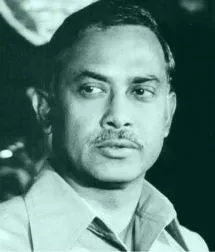
Retired Bangladesh military officers, through RAWA , are reportedly lobbying to suspend the death sentence and drop criminal cases against Syed Ziaul Haque (Major Zia).
Haque is a convicted conspirator in the February 2015 machete killing of US citizen Avijit Roy in Dhaka and remains a fugitive tried in absentia.
The US State Department continues to offer a $5 million reward for information leading to Haque's arrest or conviction.
Haque has been identified by authorities as a key figure in terror group Ansar al-Islam , linked to AQIS .
The UNSC 's 38th monitoring report warned that AQIS is attempting to use Bangladesh as a base for terrorist cells, and linked the November 2025 Red Fort attack in Delhi to the group.
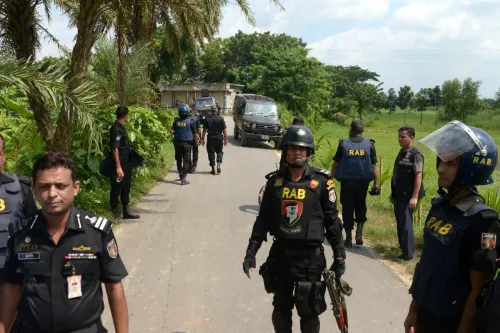
Recent bomb and explosives recoveries near Dhaka have prompted heightened security measures across Bangladesh.
Influential retired military officers in Bangladesh are reportedly orchestrating a coordinated legal campaign to suspend the convictions of Syed Ziaul Haque — a dismissed army major, US-designated terror fugitive, and convicted conspirator in the 2015 machete killing of American citizen Avijit Roy — despite a $5 million reward still being offered by the US State Department for information leading to his arrest or conviction. The development, detailed in a report published in The Jerusalem Post, has raised fresh alarm over Bangladesh's counterterrorism commitments to Washington.
Background: The Avijit Roy Killing
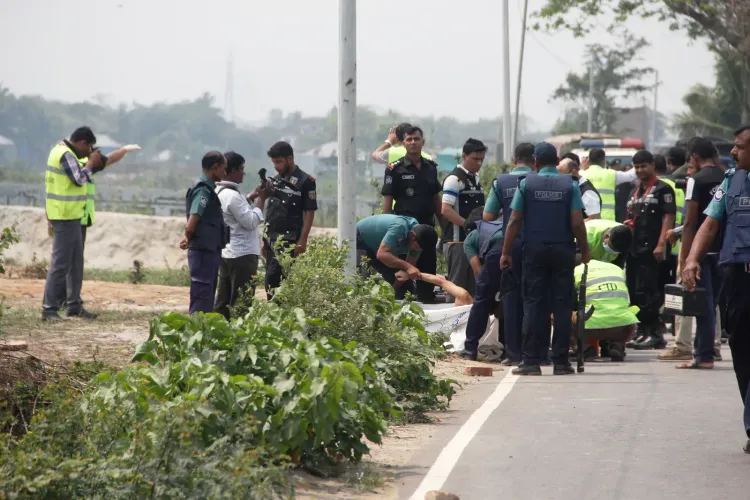
In February 2015, Avijit Roy and his wife, Rafida Bonya Ahmed — both Bangladesh-born US citizens — were attacked by assailants wielding machetes while attending a book fair in Dhaka. Roy was killed; Ahmed sustained critical injuries but survived. A total of six individuals were charged, tried, and convicted in Bangladesh. Two convicted conspirators — Ziaul Haque (also known as Major Zia) and Akram Hussain — were tried in absentia and remain at large.
Ansarullah Bangla Team, an Al-Qaeda-inspired terrorist organisation based in Bangladesh, claimed responsibility for the attack shortly after it occurred. Subsequently, Asim Umar, the now-deceased leader of Al-Qaeda in the Indian Subcontinent (AQIS), released a widely circulated video also claiming AQIS followers were responsible for the assault on Roy and Ahmed, according to the report.
The Campaign to Rehabilitate Major Zia
According to the report authored by Salah Uddin Shoaib Choudhury, Editor of Bangladeshi newspaper Blitz, the campaign is being spearheaded by members of Bangladesh's Armed Forces Retired Officers Welfare Association (RAWA). The initiative reportedly involves appeals to government ministries, applications seeking suspension of death sentences, and efforts to withdraw pending criminal cases against Haque.
Citing documents and statements from RAWA leaders, Choudhury wrote that the organisation has been coordinating with relevant government authorities to establish a legal pathway that could eventually enable Ziaul Haque to return to Bangladesh, challenge his convictions, and seek reinstatement in military service. Authorities have previously named Haque as a key figure within terror group Ansar al-Islam.
What It Means for US-Bangladesh Relations
'If successful, the campaign would raise uncomfortable questions about Bangladesh's commitment to counterterrorism cooperation with Washington and about the future of one of America's most prominent terrorism cases in South Asia,' Choudhury wrote. He noted that for Washington, the issue is 'likely to be viewed not merely through the prism of Bangladesh's internal legal processes but also as a measure of whether a key regional partner remains committed to the principles that have underpinned global counterterrorism efforts since the attacks of September 11, 2001.'
UNSC Warning and the Broader AQIS Threat
The report comes days after the United Nations Security Council (UNSC) warned that AQIS has been attempting to use Bangladesh as a base to establish terrorist cells. The finding appeared in the 38th report of the UN Analytical Support and Sanctions Monitoring Team, submitted to the Security Council committee dealing with the Islamic State, Al-Qaeda, and associated groups.
The same UN report linked the November 2025 Red Fort attack in Delhi to AQIS and flagged the group's efforts to build terrorist networks using Bangladesh as a staging ground. Recent recoveries of bombs and explosives from areas in and around Dhaka have prompted authorities to intensify security measures, including placing field police on heightened alert and strengthening intelligence surveillance.
With a US-designated fugitive potentially on the path to legal rehabilitation, and a UN body simultaneously flagging Bangladesh as an AQIS operational base, the pressure on Dhaka's civilian and military leadership to demonstrate counterterrorism credibility is set to intensify in the weeks ahead.
Point of View
Which makes it a state-adjacency problem, not merely a civil society one. Bangladesh's interim and civilian leadership faces a stark choice: allow a process that would hand AQIS a symbolic victory and rupture counterterrorism trust with Washington, or confront the political cost of overruling a veterans' lobby. That the UNSC simultaneously flagged Bangladesh as an AQIS operational base — and linked the November 2025 Red Fort attack to the group — means the international scrutiny on Dhaka is no longer abstract. The $5 million US reward still standing is a diplomatic signal as much as a law-enforcement tool; ignoring it carries consequences that go well beyond the Avijit Roy case.
NationPress
2 Oct 2026
Frequently Asked Questions
Who is Syed Ziaul Haque and why is he wanted?
Syed Ziaul Haque, also known as Major Zia, is a dismissed Bangladesh Army officer convicted in absentia as a conspirator in the February 2015 machete killing of US citizen Avijit Roy in Dhaka. The US State Department has offered a $5 million reward for information leading to his arrest or conviction, and authorities have identified him as a key figure in terror group Ansar al-Islam.
What is RAWA and what role is it playing?
RAWA is Bangladesh's Armed Forces Retired Officers Welfare Association. According to reports, its members are spearheading a coordinated campaign — including appeals to government ministries and applications to suspend death sentences — aimed at clearing the legal path for Ziaul Haque to return to Bangladesh and seek reinstatement in military service.
What did the UN Security Council say about Bangladesh and AQIS?
The UNSC's 38th report of its Analytical Support and Sanctions Monitoring Team warned that Al-Qaeda in the Indian Subcontinent (AQIS) has been attempting to use Bangladesh as a base to establish terrorist cells. The report also linked the November 2025 Red Fort attack in Delhi to AQIS.
Why does this matter for US-Bangladesh relations?
If the campaign to rehabilitate Major Zia succeeds, it would raise direct questions about Bangladesh's commitment to counterterrorism cooperation with Washington, according to the report. The US has an active $5 million reward for Haque's capture, making any move toward his legal relief a potential diplomatic flashpoint.
What happened to Avijit Roy and his wife?
In February 2015, Avijit Roy and his wife Rafida Bonya Ahmed — both Bangladesh-born US citizens — were attacked with machetes at a book fair in Dhaka. Roy was killed; Ahmed survived with critical injuries. Six individuals were convicted, with two, including Ziaul Haque, tried in absentia and still at large.