Bangladesh urged to vet Pakistan-assembled MG vehicles on safety, quality
Synopsis
A Bangladeshi report is pushing back on the diplomatic framing of a Pakistan-assembled MG vehicle import deal — warning that only 18 of 200 global safety standards were met by Pakistani automakers in 2025. The message: let the market decide, not the foreign ministry.
Key Takeaways
MG JW Automobile Pakistan and a Bangladeshi partner have signed an MOU to export around 100 vehicles this year, scaling to 5,800 units over four years.
A Daily Sun report urged Bangladesh to subject the vehicles to independent safety, emissions, and after-sales checks rather than treating the deal as a diplomatic favour.
Pakistani manufacturers reportedly complied with only 18 of 200 internationally recognised vehicle safety standards, according to a 2025 parliamentary discussion.
The WHO recorded Pakistan's road-traffic mortality rate at 11.9 deaths per 1 lakh people in 2021 .
Experts called for Bangladesh to compare offers from China, India, Japan, South Korea, Thailand, Indonesia , and Malaysia on a level playing field.
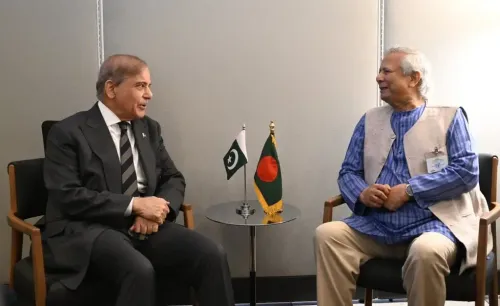
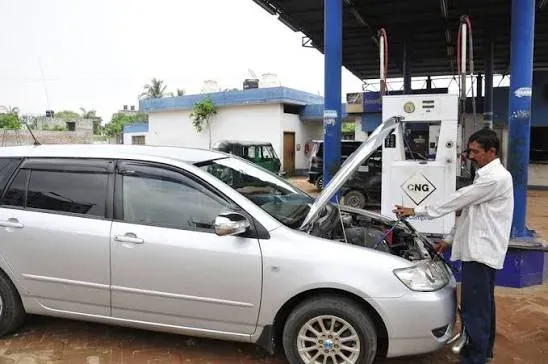
A new report has urged Bangladesh to treat the proposed import of Pakistan-assembled MG vehicles as a straightforward commercial decision — not a diplomatic gesture — and to subject every model to independent checks on safety, emissions, and after-sales standards before clearing any consignment.
The Deal on the Table
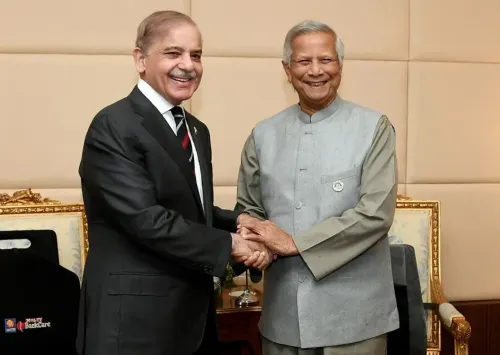
According to the report, citing experts, MG JW Automobile Pakistan and its Bangladeshi partner have signed a memorandum of understanding to export approximately 100 vehicles in the current year, with the figure projected to rise to 5,800 units over four years. The agreement has been positioned by both sides as evidence of warming economic ties and a lifeline for Pakistan's struggling automobile sector.
Experts Call for a Level Playing Field
The report, published by the Daily Sun of Bangladesh, argued that Dhaka should evaluate competing offers from China, India, Japan, South Korea, Thailand, Indonesia, and Malaysia alongside Pakistan's offer, with the final choice driven entirely by price, safety, quality, technology, and reliability. 'Bangladesh should welcome competition in the automobile market. But it should also shop around,' the report stated. 'The winner should be determined by the market — not by diplomacy,' it added.
Safety Compliance Concerns
The report drew attention to a 2025 parliamentary discussion in Pakistan in which domestic manufacturers and assemblers were said to have complied with only 18 of 200 internationally recognised vehicle safety standards. The publication cautioned that this figure, while not necessarily representative of every model, underscores the need for Bangladesh to examine compliance on a vehicle-by-vehicle basis rather than accepting blanket assurances. 'Do the specific vehicles being offered to Bangladesh meet Bangladesh's and global safety, emissions and technical requirements, and can that compliance be independently demonstrated?' the report questioned.
Road Safety Context
The World Health Organization (WHO) recorded Pakistan's road-traffic mortality rate at 11.9 deaths per 1 lakh people in 2021. Experts noted that road fatality figures reflect a range of factors — including driving behaviour, road conditions, and enforcement — and not vehicle quality alone. However, the report argued the statistic reinforces the case for rigorous mechanical and safety inspections of any imported fleet.
Broader Implications for Bangladesh
The proposed import arrangement could serve as a test case for whether Bangladesh can harness international competition to secure better value for its automobile consumers. If handled transparently, analysts suggest, it could set a precedent for evidence-based procurement across other import categories as well. The outcome of the vetting process, whenever it begins, is expected to carry diplomatic as well as commercial significance for the Dhaka–Islamabad relationship.
Point of View
But its relevance hinges on whether the specific MG models being exported fall within that gap or outside it. That distinction is precisely what independent vetting is designed to establish — and the fact that it hasn't been demanded upfront is itself a red flag.
NationPress
13 Aug 2026
Frequently Asked Questions
What is the Bangladesh-Pakistan MG vehicle import deal?
MG JW Automobile Pakistan and a Bangladeshi partner have signed a memorandum of understanding to export approximately 100 Pakistan-assembled MG vehicles to Bangladesh this year, with the volume projected to reach 5,800 units over four years. The deal has been framed by both governments as a sign of improving bilateral economic ties.
Why are experts urging Bangladesh to vet the Pakistan-assembled MG vehicles?
A 2025 parliamentary discussion in Pakistan indicated that domestic manufacturers complied with only 18 of 200 internationally recognised vehicle safety standards. Experts argue Bangladesh should verify compliance model by model rather than accept general quality assurances, especially given WHO data showing Pakistan's road-traffic mortality rate at 11.9 deaths per 1 lakh people in 2021.
Which countries should Bangladesh compare the Pakistan offer against?
According to the report, Bangladesh should evaluate competing offers from China, India, Japan, South Korea, Thailand, Indonesia, and Malaysia alongside Pakistan's proposal. The final decision, experts argued, should be driven by price, safety, quality, technology, and reliability — not diplomatic considerations.
What does Pakistan's road-traffic mortality rate indicate about vehicle safety?
The WHO recorded Pakistan's road-traffic mortality rate at 11.9 deaths per 1 lakh people in 2021. Experts noted the figure reflects multiple factors — driving behaviour, road conditions, and enforcement — and not vehicle quality alone, but said it reinforces the need for rigorous mechanical and safety inspections of any imported vehicles.
What broader significance does this deal hold for Bangladesh?
The proposed import arrangement could set a precedent for evidence-based, market-driven procurement in Bangladesh's automobile sector. If Bangladesh demands and enforces independent compliance checks, analysts suggest it could deliver better value for consumers and establish a transparent import framework for future deals.