Can Pakistan's Civil-Military Leadership Revive the Economy Through Arms Sales?
Synopsis
As Pakistan's leadership dreams of economic recovery through arms sales, analysts question the viability of this strategy. The report uncovers failures in the JF-17 aircraft program and highlights the country's dire economic situation, raising doubts about the effectiveness of military exports in solving structural issues.
Key Takeaways
Pakistan's economy struggles under a $7 billion IMF deal.
Defence exports hinge on reliable production and support.
The JF-17 program faces significant technical issues.
Unemployment and poverty rates are concerning.
The military's focus on arms sales may distract from necessary reforms.
Islamabad/New Delhi, Jan 27 (NationPress) Pakistan is grappling with fundamental economic challenges amid its latest $7 billion International Monetary Fund (IMF) agreement. Observers contend that these issues cannot be addressed solely through revenues generated from arms exports.
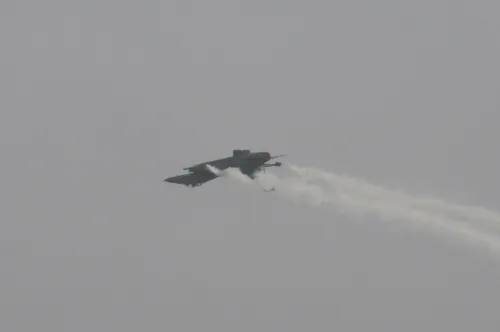
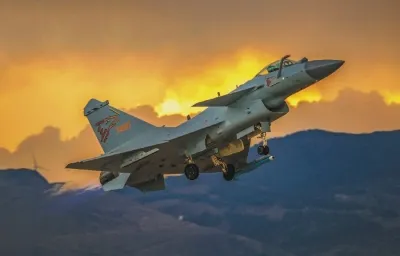
Defence exports, particularly aircraft, are contingent on strong production capabilities, adequate training, and reliable post-delivery support for spare parts. However, the Chinese-manufactured JF-17 aircraft, central to Pakistan's defence export ambitions, has shown significant shortcomings, as detailed in a recent report by India Narrative.
“Myanmar has grounded its JF-17 aircraft purchased from Pakistan and China in 2015 due to technical difficulties and lack of spare parts. Additionally, the aircraft has faced numerous incidents, including crashes linked to cracks in guide vanes, exhaust nozzles, and flame stabilizers. Pakistan’s economic hurdles and foreign exchange constraints may further complicate long-term commitments for spare part exports, maintenance, and operational support,” the report indicated.
“Moreover, the viability of this defence business is questionable. Potential contracts remain undisclosed, with most information emerging through anonymous official sources instead of formal agreements. A robust defence export capability necessitates a strong domestic defence industry adept at developing complex weapon systems, a stage Pakistan has yet to reach. Historically, the defence production sector has not prioritized research and development, relying predominantly on foreign technology,” it continued.
The India Narrative report further highlighted that Pakistan's unemployment rate stands at 7.1 percent, and failing poverty alleviation initiatives, exacerbated by the Covid-19 pandemic and devastating floods in 2022, have placed a significant strain on the fragile economy. Furthermore, the conditions attached to IMF loans necessitate budgetary restrictions. Yet, the 'ageing' civil-military leaders of Pakistan persist in their delusions, “fantasizing” about economic recovery through arms sales without adequate groundwork.
“However, beyond economic rejuvenation, the ‘project JF-17’ appears to carry strategic implications. For the past decade, China has unsuccessfully attempted to market the aircraft as a cost-effective, multi-role fighter to nations in the Global South. Now, with Pakistan, its 'all-weather friend,' taking the lead, there are suspicions that this is part of China's 'backdoor' strategy to promote these sales to 'neutral' countries,” the report stated.
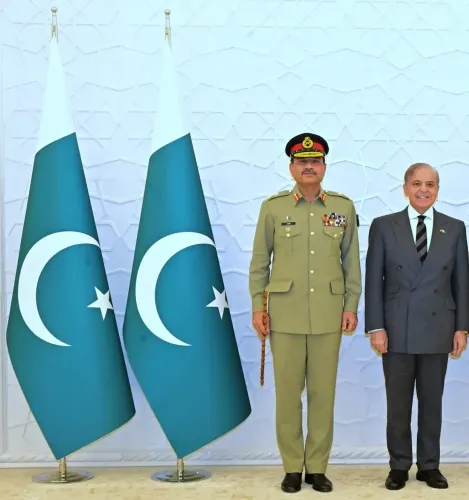
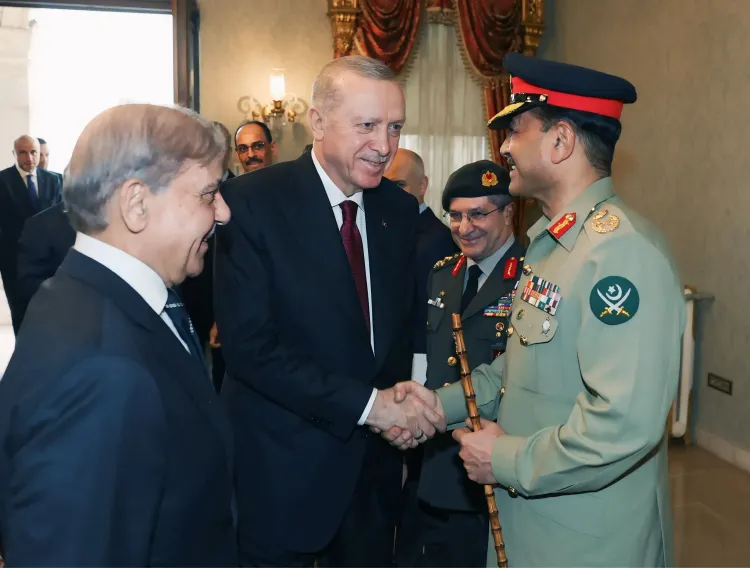
“In this light, Field Marshal Asim Munir’s push for a propaganda framework surrounding JF-17 fighters is understandable. The Pakistani military's compliance with Chinese 'requests' is evident. Moreover, this arms sale initiative provides a facade of rescuing Pakistan’s struggling economy, which the military seems indifferent towards. This effort appears to be more about deceiving the dissatisfied populace than a genuine effort to revive the nation’s economy,” the report concluded.
Point of View
It is critical to observe that while the civil-military leadership in Pakistan seeks to bolster the economy through arms sales, the underlying structural problems require comprehensive solutions rather than superficial strategies. Nation's progress should prioritize sustainable development and genuine economic reforms.
NationPress
19 Sept 2026
Frequently Asked Questions
What are the main economic challenges faced by Pakistan?
Pakistan is currently dealing with high unemployment rates, ineffective poverty alleviation programs, and significant debt obligations, all exacerbated by external factors like the Covid-19 pandemic and natural disasters.
Why is the JF-17 aircraft considered problematic?
The JF-17 has faced multiple technical issues, including crashes and parts availability, which have raised questions about its reliability and the sustainability of Pakistan's defense export ambitions.
How do IMF loans affect Pakistan's economy?
IMF loans come with stringent conditions that necessitate fiscal discipline, limiting government spending, which can impact social and economic programs.
What role does China play in Pakistan's arms sales?
China is a key ally in Pakistan's defense sector, promoting the JF-17 as a cost-effective fighter, which raises concerns about the nation's autonomy in military decisions.
Is there a long-term strategy for Pakistan's defense exports?
Currently, there is skepticism about the sustainability of defense exports due to a lack of transparency and the underdevelopment of Pakistan's indigenous defense industry.