Bangladesh July Uprising women sidelined from power after Hasina fall
Synopsis
Women who were central to toppling Sheikh Hasina's government in Bangladesh's July 2024 Uprising have been almost entirely shut out of the political order they helped create. From institutional exclusion to coordinated online abuse targeting 15 prominent figures, the pattern is clear — and no political party has met even the minimal five per cent women's nomination threshold set by the July Charter.
Key Takeaways
Women played a decisive role in Bangladesh's July 2024 Uprising , leading protests that brought down the Awami League government of Sheikh Hasina .
Shireen Pervin Huq , head of the Women's Reform Commission under the Muhammad Yunus -led interim government, says women were marginalised from the outset of the post-uprising restructuring.
A Daily Star analysis found 63 per cent of 139 posts targeting 15 prominent women from the movement contained sexual slurs, derogatory language, or character assassination.
Under the July Charter , parties were required to nominate women for at least 5 per cent of 300 Parliamentary seats — none complied.
Activists argue women are treated as 'crisis-time assets' rather than equal partners in state-building.
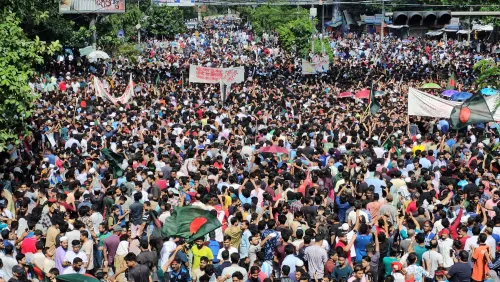
Women were among the most visible and decisive forces on Bangladesh's streets during the July Uprising of 2024, yet after the collapse of the Awami League government led by former Prime Minister Sheikh Hasina, their presence rapidly diminished from the country's political and state structures, according to a report by The Daily Star.
Women at the Forefront of the Uprising
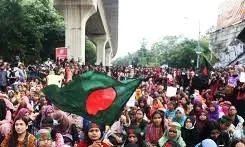
During the July 2024 protests, women were a prominent and active presence across universities and campuses throughout Dhaka and the rest of Bangladesh. They led slogans, blocked prison vans, rescued the injured, provided medical care, and arranged food for protesters. Crucially, the report notes, they were not merely participants — they helped shape decisions and steer the movement's course.
Rapid Marginalisation After the Regime Change
Despite their central role during the uprising, women leaders and activists say they have been systematically excluded from positions of power in the aftermath. Shireen Pervin Huq, who led the Women's Reform Commission formed under the interim government headed by Muhammad Yunus, said women were marginalised from the very beginning.
'On the day we submitted our report, many in the advisory council were excited. But days later, a faction held a rally, professed to annul our report, and hurled abuses at us. The entire advisory council remained silent,' she said, according to the report.
Huq added that her Commission was initially excluded from broader reform processes and later faced resistance from other commissions.
Online Abuse and Gendered Attacks
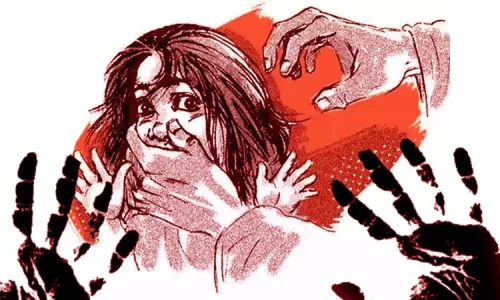
The marginalisation has not been limited to institutional exclusion. A Daily Star analysis of 139 posts targeting 15 prominent women from the July movement found that 63 per cent contained sexually suggestive slurs, derogatory language, or character assassination, alongside widespread body-shaming.
Nafsin Mehanaz Azireen, a former coordinator for private universities during the movement, noted a stark double standard: a disagreement with a male politician is countered through logic, while women face attacks on their clothing, personal life, and family. She questioned whether society views women only as crisis-time assets, rather than as equal partners in state-building.
Political Parties Fail to Honour Commitments
The report also highlights a failure of institutional follow-through. Under the July Charter, political parties were expected to nominate women for at least five per cent of the 300 Parliamentary seats in the national election. According to the report, none of the parties complied with this commitment.
What Comes Next
The findings raise urgent questions about the depth of Bangladesh's democratic transition. Women's rights advocates are calling for enforceable quotas, institutional accountability, and an end to the gendered online harassment that deters participation. Whether the country's new political dispensation will address these structural barriers — or repeat the exclusions of the past — remains to be seen.
Point of View
But the treatment of women who made it possible tells a different story. The failure of every political party to meet even a five per cent women's nomination threshold is not an oversight — it is a structural choice. The coordinated online abuse campaign against 15 named women activists, largely met with institutional silence, signals that the new dispensation is replicating the exclusions of the old one. A revolution that sidelines half its workforce is not a revolution; it is a transfer of power between the same gatekeepers.
NationPress
24 Sept 2026
Frequently Asked Questions
What role did women play in Bangladesh's July 2024 Uprising?
Women were central to the July 2024 protests in Bangladesh, leading slogans, blocking prison vans, rescuing the injured, providing medical care, and shaping the movement's decisions. They were not merely participants but active decision-makers who helped bring down the Awami League government of Sheikh Hasina.
Why have women been sidelined after the uprising?
According to reports, women face a combination of political, structural, and social barriers. The Women's Reform Commission led by Shireen Pervin Huq was initially excluded from reform processes and later faced resistance. Women activists also report coordinated online abuse and gendered attacks that deter participation in public life.
What does the July Charter say about women's representation?
The July Charter required political parties to nominate women for at least five per cent of the 300 Parliamentary seats in Bangladesh's national election. According to the report, no political party complied with this commitment.
What kind of online abuse did women from the July movement face?
A Daily Star analysis of 139 social media posts targeting 15 prominent women from the July movement found that 63 per cent contained sexually suggestive slurs, derogatory language, character assassination, or body-shaming. The abuse largely went unchallenged by institutional authorities.
Who is Shireen Pervin Huq?
Shireen Pervin Huq led the Women's Reform Commission established by the interim government of Muhammad Yunus following the July Uprising. She has spoken publicly about how women were marginalised from the post-uprising political restructuring and how her Commission's report faced attempts at annulment.