Bangladesh anti-graft body flags Humaiun Kobir appointment as unconstitutional
Synopsis
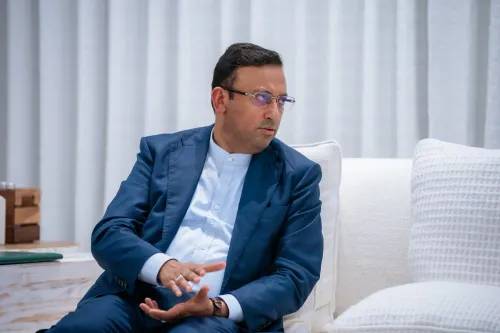
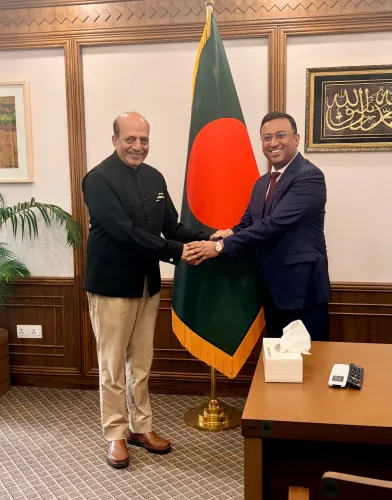
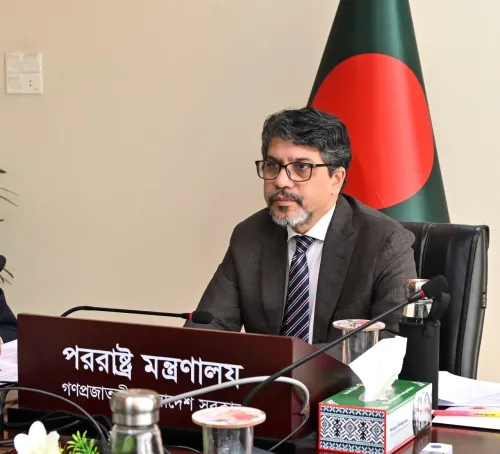
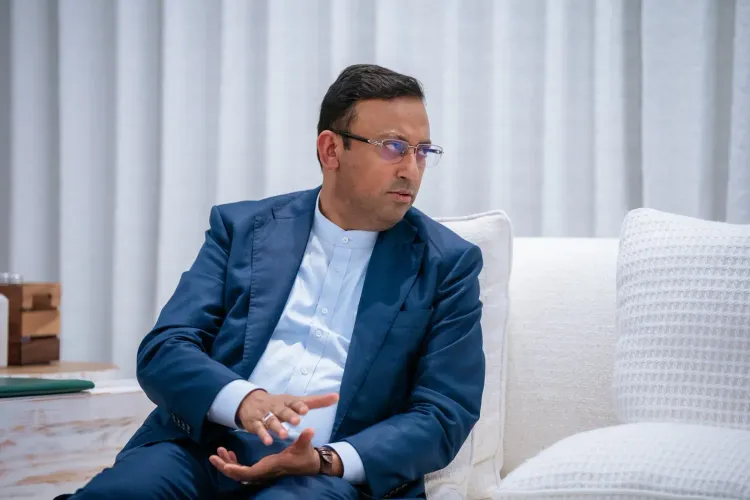
Bangladesh's top anti-corruption body has publicly labelled the appointment of State Minister for Foreign Affairs Humaiun Kobir 'unconstitutional', citing his alleged dual citizenship. With TIB warning of a chilling effect on press freedom after Kobir's combative response to journalists, the episode is shaping into a full-blown constitutional and media-freedom crisis for the Dhaka government.
Key Takeaways
Transparency International Bangladesh (TIB) on 25 August called the appointment of Humaiun Kobir as State Minister for Foreign Affairs 'unconstitutional'.
Kobir allegedly holds foreign citizenship, which critics say disqualifies him from office under Bangladesh's constitution.
TIB Executive Director Iftekharuzzaman condemned the minister's evasive, counter-questioning response to journalists as 'ethically unacceptable'.
TIB warned the minister's conduct poses a threat to press freedom and could create a 'chilling effect' on independent journalism in Bangladesh.
TIB has demanded the government immediately disclose verifiable proof of Kobir's citizenship status and rule on the constitutional validity of his appointment.
The watchdog also urged disclosure of citizenship details for all ministers and state ministers facing similar dual-citizenship questions.
Bangladesh's anti-corruption watchdog Transparency International Bangladesh (TIB) on Tuesday, 25 August declared the appointment of dual citizen Humaiun Kobir as State Minister for Foreign Affairs under the technocrat quota 'unconstitutional', according to local media reports. TIB also condemned the minister's refusal to directly address questions about his citizenship status, calling his conduct a threat to press freedom.
The Constitutional Question at Issue
At the heart of the controversy is whether Kobir held foreign citizenship at the time he assumed office — a condition that, critics argue, would bar him from the post under Bangladesh's constitutional provisions. TIB pointed to multiple media reports indicating that the state minister reportedly holds foreign citizenship and has also been involved in active politics in the country of that citizenship.
TIB Executive Director Iftekharuzzaman, quoted by leading Bangladeshi newspaper The Daily Star, said: 'The fundamental question is whether he retained his foreign citizenship when he assumed office as state minister. He has an obligation to directly address such a clear constitutional question involving the public interest.'
TIB's Criticism of the Minister's Response
Rather than clarifying his status, Kobir reportedly responded to journalists' questions with counter-questions — a tactic TIB condemned as evasive and unbecoming of a senior state official. Iftekharuzzaman said the minister's conduct was 'ethically unacceptable and deeply concerning.'
'When someone in a responsible state position is questioned about a matter of public interest, it is expected that he will give a straightforward, factual answer. By answering the relevant constitutional and legal questions and disclosing the necessary evidence, the state minister for foreign affairs could instead have set an example of transparency and accountability,' Iftekharuzzaman said, as quoted by Dhaka Tribune.
He added: 'Rather than doing so, his resentful and aggressive counter-questions directed at media outlets reporting on his dual citizenship and journalists raising questions about the matter are unbecoming of the dignity and responsibility of a State Minister; they are ethically unacceptable and deeply concerning.'
Threat to Press Freedom and Journalists
TIB warned that the minister's aggressive posture towards the media could have a broader chilling effect on journalism in Bangladesh. Iftekharuzzaman noted that such responses place 'unreasonable and unwarranted pressure on the journalists concerned' and could create a tendency to make it risky for reporters to ask uncomfortable questions of those in power.
'Ultimately, it undermines the people's right to know,' he said, adding that the conduct ran 'contrary to free media, freedom of expression, and independent journalism.'
TIB's Demands from the Government
TIB urged the Bangladesh government to immediately disclose 'accurate and verifiable information' regarding Kobir's actual citizenship status and to take an appropriate decision on the constitutional validity of his appointment. The watchdog also called on the government to publicly disclose citizenship details of any other minister or state minister if similar questions arise, in the interest of transparency and constitutional accountability.
Iftekharuzzaman described the matter as 'embarrassing for the government' and warned of potential 'avoidable reputational embarrassment' for Bangladesh given the global implications of the Foreign Affairs portfolio. With TIB's public intervention now on record, pressure on the government to respond with documentary evidence is likely to mount in the days ahead.
Point of View
Which means any delay in disclosure is politically costly. More troubling is the minister's instinct to attack journalists rather than answer them: in a country with a fragile press-freedom record, that posture from a Foreign Affairs portfolio — the face Bangladesh presents to the world — risks compounding diplomatic embarrassment. If the government cannot produce clean documentation swiftly, the technocrat quota itself, designed to bring expertise into government, may come under scrutiny as a vehicle for bypassing constitutional vetting.
NationPress
9 Oct 2026
Frequently Asked Questions
Why has TIB called Humaiun Kobir's appointment unconstitutional?
TIB says Kobir allegedly holds foreign citizenship, which under Bangladesh's constitution disqualifies a person from holding ministerial office. The watchdog argues his appointment under the technocrat quota is therefore constitutionally invalid and demands the government disclose verifiable proof of his actual citizenship status.
Who is Humaiun Kobir and what is his role?
Humaiun Kobir is Bangladesh's State Minister for Foreign Affairs, appointed under the technocrat quota. His appointment has come under scrutiny after multiple media reports indicated he may hold dual citizenship, raising questions about his eligibility for the post under Bangladeshi constitutional provisions.
How did Humaiun Kobir respond to questions about his citizenship?
According to TIB and local media reports, Kobir responded to journalists' questions about his dual citizenship with counter-questions rather than direct answers. TIB Executive Director Iftekharuzzaman described this response as 'resentful and aggressive' and said it was 'unbecoming of the dignity and responsibility of a State Minister.'
What is TIB demanding from the Bangladesh government?
TIB has demanded that the government immediately disclose accurate and verifiable information about Kobir's citizenship status and take a formal decision on the constitutional validity of his appointment. It also urged the government to publicly disclose citizenship details of any other minister facing similar dual-citizenship questions.
Why does TIB say this matters beyond just one minister?
TIB warns that the minister's aggressive response to journalists could create a chilling effect on press freedom in Bangladesh, making reporters reluctant to question those in power. The watchdog also notes that the Foreign Affairs portfolio carries global implications, and unresolved questions about the minister's citizenship risk reputational damage for Bangladesh internationally.