Bangladesh IGP's 'crossfire' remark sparks rights backlash, TIB demands apology
Synopsis
Bangladesh's top cop openly suggested police could resort to 'crossfire' with government approval — and the backlash was immediate. Rights watchdog TIB is calling for his removal, the Awami League is crying constitutional foul, and the statement has exposed a raw nerve over extrajudicial killings that Bangladesh has never fully reckoned with.
Key Takeaways
IGP Md Ali Hossain Fakir stated that Bangladesh police may resort to 'crossfire' if the government permits it, in remarks made at a Dhaka event on Monday, 27 October 2026 .
Transparency International Bangladesh (TIB) condemned the remarks and demanded the IGP retract his statement, issue an unconditional public apology, and be removed from office pending accountability.
TIB Executive Director Iftekharuzzaman called the position 'professional bankruptcy' and said Articles 31 and 32 of Bangladesh's constitution cannot be overridden by executive decisions.
Bangladesh's Awami League also criticised the remark, warning it raises grave concerns about human rights and the rule of law.
Critics noted the IGP's own address was internally contradictory — simultaneously pledging to uphold the constitution and endorsing potential extrajudicial killings.
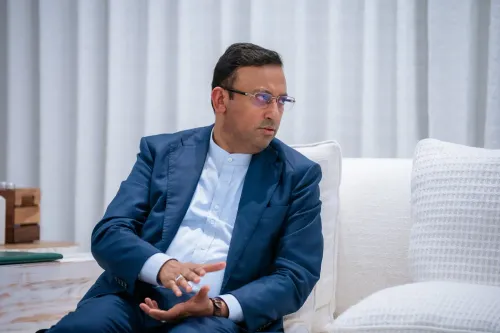
Bangladesh's Inspector General of Police (IGP) Md Ali Hossain Fakir on Monday triggered a sharp national backlash after publicly stating that law enforcement personnel may resort to 'crossfire' if circumstances demand it and the government grants permission. The remarks, made at an event in Dhaka, have drawn condemnation from civil society groups and political parties alike, reigniting fears over the normalisation of extrajudicial killings in the country.
What the IGP Said
Speaking as chief guest at a Dhaka event, IGP Fakir was quoted by The Daily Star, Bangladesh's leading English-language newspaper, as saying: 'Wherever crossfire is necessary, if the government allows it, we will do that.' The statement came in the same address where the IGP also spoke of discharging duties in accordance with the law and the constitution — a contradiction that critics were quick to highlight.
Civil Society Condemns the Remarks
Anti-corruption watchdog Transparency International Bangladesh (TIB) issued a sharp rejoinder, urging the government to seek a formal explanation from the IGP, ensure he retracts the statement, issues an unconditional public apology, and is held administratively accountable. TIB also called for his removal from office pending accountability proceedings.
TIB Executive Director Iftekharuzzaman said: 'Is the police chief seeking to use the discredited practice of crossfire as a shield for the police's failure to maintain law and order? Does seeking to legitimise extrajudicial killings by making them conditional on government approval amount to an admission of failure to combat crime through lawful means?'
He stressed that the police are mandated to conduct professional investigations, identify offenders, and bring the accused to trial based on admissible evidence. 'Presenting crossfire as an alternative cannot resolve institutional weaknesses; rather, it is an example of professional bankruptcy,' Iftekharuzzaman said.
Constitutional and Legal Concerns
Iftekharuzzaman further pointed out the internal contradiction in the IGP's own remarks, noting that constitutional protections cannot be overridden by executive decisions. 'No government approval can legitimise an extrajudicial killing. The rights to legal protection and to life and personal liberty guaranteed under Articles 31 and 32 of the constitution cannot be set aside by executive decisions. Regardless of the seriousness of an allegation, the police have no authority to kill anyone by bypassing due process,' he said.
Political Reaction
Bangladesh's Awami League also sharply criticised the remarks, stating that such a statement from the country's highest-ranking police official raises grave concerns about human rights, constitutional safeguards, and the rule of law. 'No government permission can legitimise an extrajudicial killing. The right to life, due process, and equal protection under the law must be upheld for every citizen, regardless of political affiliation or accusation,' the party said in a statement.
Broader Context
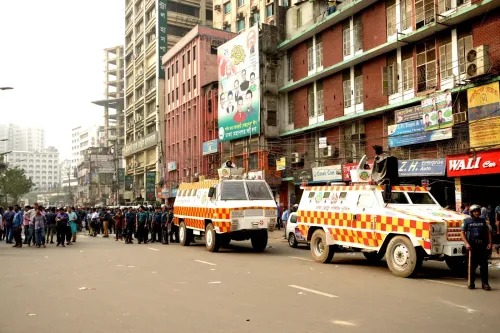
The controversy comes at a time when Bangladesh has faced recurring scrutiny over alleged extrajudicial killings linked to law enforcement operations. Rights groups have long documented 'crossfire' incidents — a local euphemism for alleged encounter killings — as a pattern of abuse. The IGP's statement, critics argue, risks emboldening such practices and signalling institutional tolerance for bypassing due process. How the government responds to the mounting pressure for accountability will be closely watched.
Point of View
In a public speech, suggests the practice enjoys broader internal acceptance than official denials admit. TIB's demand for removal is the right instinct, but it sidesteps the deeper question: why do police leadership feel comfortable saying this at all? The government's response — or silence — will be the real tell on whether Bangladesh's post-transition authorities are serious about rule-of-law reform or merely managing optics.
NationPress
27 Oct 2026
Frequently Asked Questions
What did Bangladesh's IGP say about 'crossfire'?
Inspector General of Police Md Ali Hossain Fakir said at a Dhaka event that police may resort to 'crossfire' wherever necessary, provided the government grants permission. The remarks were reported by The Daily Star and triggered widespread condemnation from rights groups and political parties.
What is 'crossfire' in the Bangladesh context?
'Crossfire' is a local euphemism widely used in Bangladesh to describe alleged encounter killings by law enforcement — cases where suspects die during police operations under circumstances that rights groups say amount to extrajudicial executions. Rights organisations have documented a long pattern of such incidents.
What action has TIB demanded over the IGP's remarks?
Transparency International Bangladesh has urged the government to seek a formal explanation from the IGP, ensure he retracts the statement and issues an unconditional public apology, hold him administratively accountable, and remove him from office until accountability is established.
Why are critics calling the IGP's remarks contradictory?
In the same address, the IGP spoke of discharging duties in accordance with the law and constitution while also endorsing potential crossfire killings subject to government approval. TIB's Executive Director Iftekharuzzaman pointed out that no executive decision can override Articles 31 and 32 of Bangladesh's constitution, which guarantee the right to life and legal protection.
How has the Awami League responded to the IGP's statement?
Bangladesh's Awami League sharply criticised the remarks, stating that they raise grave concerns about human rights and constitutional safeguards. The party said no government permission can legitimise an extrajudicial killing and that the right to life and due process must be upheld for every citizen.