ISI using migration narrative to derail India-Bangladesh ties reset

Synopsis
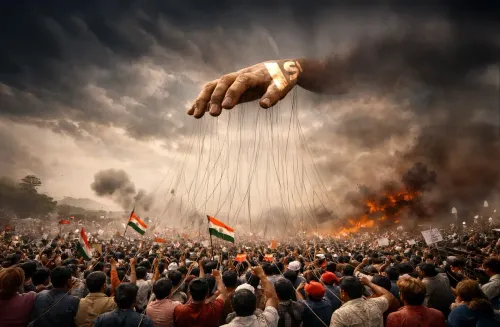
Pakistan's ISI is allegedly running a two-phase operation against the India-Bangladesh diplomatic reset — first a disinformation blitz around migration, then activation of HuJI and JMB border modules. With Bangladesh High Commissioner Riaz Hamiduallah flying to Dhaka for emergency consultations, the fragile thaw between New Delhi and Dhaka is under direct pressure from Islamabad's proxies.
Key Takeaways
Pakistan's ISI is allegedly orchestrating a disinformation campaign around migration to sabotage the India-Bangladesh diplomatic reset.
Terror outfits Harkat-ul-Jihadi Islami (HuJI) and Jamaat-ul-Mujahideen Bangladesh (JMB) are reportedly active and could be activated in a second phase.
Bangladesh High Commissioner Riaz Hamiduallah flew to Dhaka on Tuesday for consultations on managing the migration issue with India .
Since the BNP came to power, India and Bangladesh have been cooperating on border management, consular services, and Joint River Commission meetings.
Indian Intelligence Bureau officials say hardliners, pro-Pakistan influencers, and the two terror groups are under active surveillance.
Pakistan's Inter-Services Intelligence (ISI) is reportedly exploiting the sensitive issue of migration to spread disinformation and sabotage the ongoing reset in India-Bangladesh bilateral relations, according to officials briefed on the matter. The warning comes as the two countries have been working to rebuild ties following Tarique Rahman's Bangladesh Nationalist Party (BNP) winning elections and forming a government.
Background: A Fragile Reset
Bilateral relations between India and Bangladesh had deteriorated sharply following the fall of the Sheikh Hasina-led Awami League government. However, ties improved significantly after the BNP's electoral victory, with both sides engaging on border management, consular services, and Joint River Commission meetings. Officials say migration — a perennially sensitive issue — is being handled maturely by both governments. That opening, however, has apparently drawn attention from Islamabad.
ISI's Alleged Disinformation Strategy
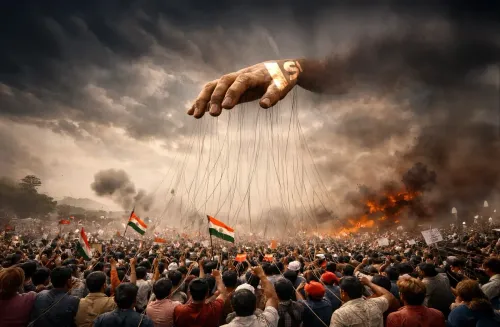
According to officials, the ISI has instructed its operatives and proxies in Bangladesh to amplify a false narrative around migration, with the dual aim of stoking communal discord within Bangladesh and poisoning the diplomatic relationship with India. An Intelligence Bureau (IB) official said the ISI is currently operating covertly, tapping into ideologically driven groups and intensifying digital campaigns against India. Migration, the official noted, is the primary focus of this first phase.
"The ISI, since the fall of the Sheikh Hasina government, has managed to expand its footprint across Bangladesh," another official said. "It has managed to set up several networks aimed at working against the interests of India and Bangladesh."
Terror Modules on the Border
The second phase of the alleged plan involves activating militant modules in states bordering Bangladesh. Officials have flagged two groups as particularly concerning: Harkat-ul-Jihadi Islami (HuJI) and Jamaat-ul-Mujahideen Bangladesh (JMB). Both outfits are reportedly active, with cadres who have made multiple visits to Pakistan and undergone training there. These groups are said to have established modules in the India-Bangladesh border regions, which could be activated following the disinformation phase.
Experts note that the ISI's involvement in Bangladesh is not a new phenomenon — it dates back to the Liberation War — but the current surge in activity reflects an ambition to expand operational reach at a moment of diplomatic vulnerability.
Diplomatic Moves and Intelligence Response
Bangladesh High Commissioner to India Riaz Hamiduallah flew to Dhaka on Tuesday to consult with the country's political leadership on how to engage with the Indian government on the migration issue. Indian intelligence agencies are said to be keeping a close watch on ISI-linked activities in Bangladesh, with hardliners, pro-Pakistan influencers, and the two terror outfits — HuJI and JMB — all reportedly on the radar.
Why India-Bangladesh Ties Matter
Officials and analysts alike stress that stable India-Bangladesh relations are a pillar of security in eastern South Asia. Strong bilateral ties help reduce cross-border terrorism, curb insurgent activity, and are critical to peace in India's northeastern states. Bangladesh watchers warn that attempts to drum up false narratives will be repeated, and that derailing ties with India remains central to Pakistan's strategic calculus in the region.
With intelligence agencies on alert and diplomatic consultations under way, the coming weeks will test whether the India-Bangladesh reset can withstand a sustained disinformation offensive.
Point of View
Amplify it through proxies, and let the disinformation do the diplomatic damage. What is new is the scale of operational infrastructure reportedly built in Bangladesh since the Hasina government fell. The BNP's willingness to engage with India is a strategic inconvenience for Islamabad, and the activation of HuJI and JMB modules as a second phase signals this is not merely a social media operation. India's northeastern states remain the ultimate vulnerability — and that is precisely the pressure point the ISI appears to be targeting. Whether New Delhi and Dhaka can manage the migration narrative jointly, faster than Islamabad can poison it, may define the trajectory of eastern South Asia's security architecture for years.
NationPress
21 Sept 2026
Frequently Asked Questions
Why is Pakistan's ISI targeting India-Bangladesh relations?
According to officials, the ISI views the ongoing India-Bangladesh diplomatic reset as a strategic setback and is allegedly working to derail it. The ISI has reportedly expanded its footprint in Bangladesh since the fall of the Awami League government and is using migration as a disinformation trigger to create communal discord and damage bilateral ties.
What is the ISI's alleged two-phase plan in Bangladesh?
The first phase reportedly involves a digital disinformation campaign focused on migration to inflame public sentiment and strain India-Bangladesh ties. The second phase involves activating militant modules — specifically HuJI and JMB cadres — in the border regions between India and Bangladesh.
Who are HuJI and JMB, and why are they a concern?
Harkat-ul-Jihadi Islami (HuJI) and Jamaat-ul-Mujahideen Bangladesh (JMB) are Islamist militant outfits reportedly active in Bangladesh, with cadres who have trained in Pakistan. Officials warn these groups have established modules near the India-Bangladesh border and could pose a serious threat to India's national security, particularly in the northeastern states.
How have India-Bangladesh ties changed since the BNP came to power?
Relations improved significantly after the Bangladesh Nationalist Party (BNP) led by Tarique Rahman won elections, reversing the strain caused by the fall of the Awami League government. Both countries have since been cooperating on border management, consular services, and Joint River Commission meetings, and are working to resolve the illegal immigration issue amicably.
What steps are being taken to address the ISI threat?
Indian intelligence agencies are reportedly monitoring ISI-linked activities in Bangladesh, with hardliners, pro-Pakistan influencers, HuJI, and JMB all under surveillance. Bangladesh High Commissioner Riaz Hamiduallah flew to Dhaka on Tuesday to consult with political leadership on how to engage with India on the migration issue diplomatically.