Is Pakistan's Strategy in Bangladesh a Multi-faceted Threat?

Synopsis
As Bangladesh approaches its crucial elections, a multi-faceted approach by Pakistan raises significant concerns. From fostering anti-India sentiment to enhancing defense ties, Pakistan's engagement in Bangladesh is a growing focus for regional stability and security.
Key Takeaways
Pakistan's strategic moves aim to influence Bangladesh's politics.
Trade relations have surged, raising potential security concerns.
Defense cooperation is significantly increasing between the two nations.
India remains vigilant over the evolving situation.
Bangladesh's upcoming elections are pivotal for regional dynamics.
New Delhi, Jan 9 (NationPress) Numerous efforts have been observed to delay the elections in Bangladesh scheduled for February this year.
During this crucial period leading up to the elections, Pakistan has taken various actions that have brought it closer to Bangladesh.
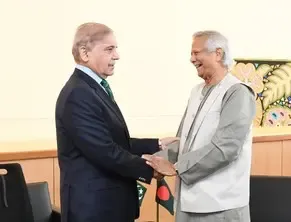
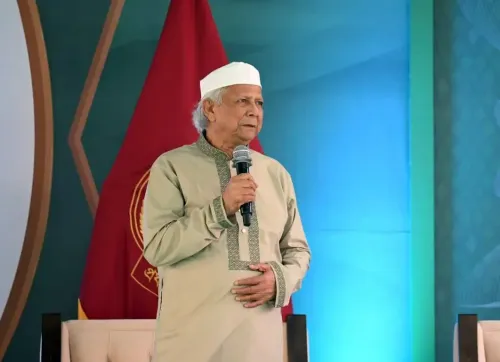
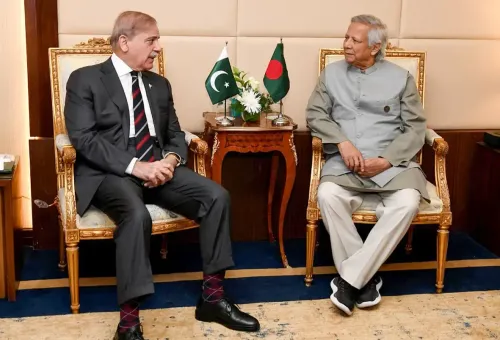
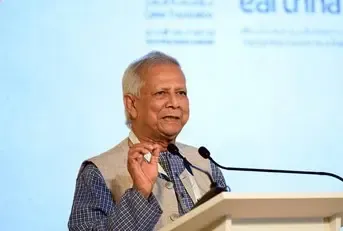
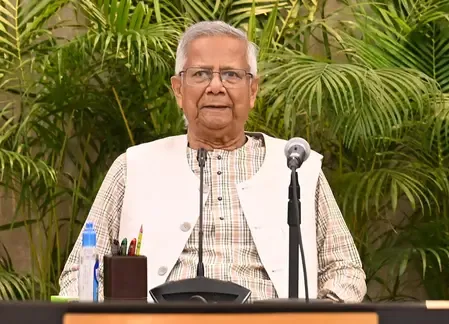
Following the removal of Sheikh Hasina, relations between Bangladesh and India have nearly deteriorated completely. Nevertheless, with Muhammad Yunus now at the helm of the interim government, Pakistan appears to have gained significant ground in Bangladesh. It is actively attempting to foster an environment of anti-India sentiment among the populace, coupled with advancements in defense collaboration and trade.
For Pakistan, the primary objective remains a quest for retribution for the 1971 defeat. Once the Hasina administration was ousted, it swiftly aligned itself with Jamaat-e-Islami to ensure a compliant leader was positioned in power.
Through Yunus, the ISI aims to achieve as much as possible, and if the complete agenda cannot be accomplished prior to the elections, there looms the possibility of another postponement, officials have indicated.
To facilitate its strategy, the ISI has established a specialized cell in Dhaka. This unit has been instrumental in reactivating previously dormant terror networks. It has also ensured that top trainers from terrorist organizations such as Lashkar-e-Taiba and Jaish-e-Mohammed are dispatched to Dhaka to train operatives and assist in recruiting new members.
Furthermore, Pakistan has aimed to boost trade relations with Dhaka, leading to the reopening of maritime routes.
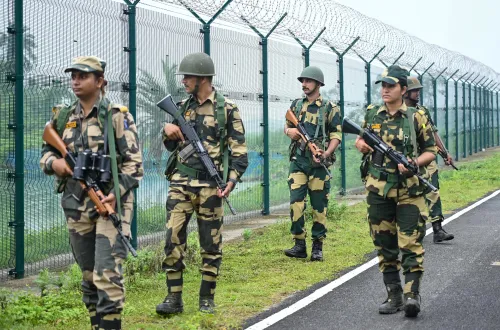
India has expressed concerns regarding this development, as security agencies fear this route could potentially be utilized for transporting terrorists along with arms and ammunition.
The inaugural Pakistani cargo ship docked at Chittagong port in November 2024. Additionally, the two nations have revived the Joint Economic Commission, which had been inactive for two decades.
Since the commission's activation, trade between the countries has surged significantly. Pakistan's exports of cotton yarn, machinery, and chemicals have experienced a 27% increase.
In 2024, exports to Bangladesh reached $778.11 million, with an additional 20% increase expected by 2025. Defense cooperation has also witnessed substantial growth.
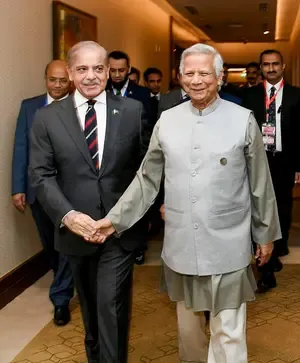
Numerous high-level meetings between the two nations have taken place. Notably, last year marked a significant meeting between Pakistan's Joint Chiefs Chairman General Sahir Shamshad Mirza and Yunus.
The AMAN-225 naval exercise also occurred during this timeframe. Discussions during these meetings led to an agreement for Pakistan to sell JF-17 Thunder Fighter jets to Bangladesh.
Furthermore, Dhaka opted to procure 40,000 rounds of 155mm artillery ammunition from Pakistan. On the diplomatic front, the frequency of visits has also increased.
In 2024, Pakistani officials made 1,950 visits to Dhaka. This number escalated to 3,387 in 2025. These figures and developments strongly indicate that Pakistan aims to exert full control over Bangladesh, reminiscent of the pre-1971 era.
Officials have remarked that trade is only one dimension of the strategy. The objective is to instill a perception among the Bangladeshi populace that their nation is not merely a launchpad against India.
Intelligence Bureau sources have indicated that Pakistan is strategizing for the long term in Bangladesh. The goal is to create a scenario where Bangladesh becomes so reliant on Pakistan that no governing party can afford to overlook its influence. India continues to monitor these events closely.
At present, two primary concerns for India are securing borders and safeguarding minorities in Bangladesh.
New Delhi has expressed its readiness to collaborate with Bangladesh and is awaiting the conclusion of the elections in February.
With opinion polls indicating a likely victory for the Bangladesh Nationalist Party (BNP), New Delhi has already begun engaging with its leadership.
Recently, the External Affairs Minister visited Bangladesh and offered condolences to Tarique Rahman, the son of Khaleda Zia, who recently passed away.
Point of View
It is imperative to remain committed to presenting an unbiased perspective. The developments between Pakistan and Bangladesh warrant close attention, particularly in light of regional dynamics. Ensuring our reporting remains factual and insightful is paramount as the situation continues to evolve.
NationPress
23 Oct 2026
Frequently Asked Questions
What is the current political situation in Bangladesh?
Bangladesh is approaching elections scheduled for February 2024, amidst attempts to postpone them and increasing political maneuvering by Pakistan.
How has Pakistan's involvement affected Bangladesh?
Pakistan's involvement has intensified trade relations and defense cooperation while fostering anti-India sentiment among the Bangladeshi population.
What are India's concerns regarding this situation?
India is particularly concerned about secure borders and the protection of minorities in Bangladesh amidst rising influence from Pakistan.
What role does Muhammad Yunus play in this context?
Muhammad Yunus, as the caretaker leader, is seen as a strategic figure for Pakistan to advance its agenda in Bangladesh.
What are the implications of increased trade between Pakistan and Bangladesh?
The rise in trade may lead to Bangladesh's increased dependency on Pakistan, raising concerns over its sovereignty and regional stability.