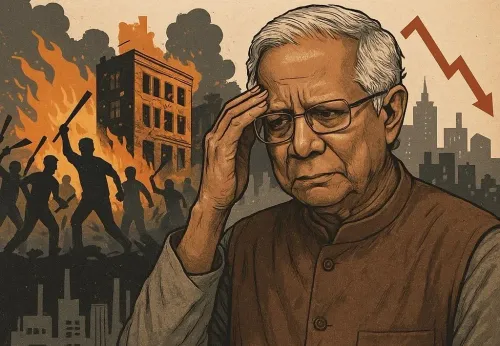
Does the mob lynching of another Hindu youth in Bangladesh reveal the failures of Yunus's government?

Synopsis
The tragic mob lynching of yet another Hindu youth in Bangladesh within a week raises alarms over the efficacy of the Yunus-led government. Former diplomat Mahesh Sachdeva sheds light on the implications of this incident for law and order and the escalating tensions in the nation’s political landscape.
Key Takeaways
Second mob lynching of a Hindu youth in one week raises alarms.
Indicates the failure of the Yunus-led government to maintain order.
Political rivalry intensifies sectarian tensions.
Tarique Rahman's return could reshape election dynamics.
Urgent need for a peaceful and inclusive political environment.
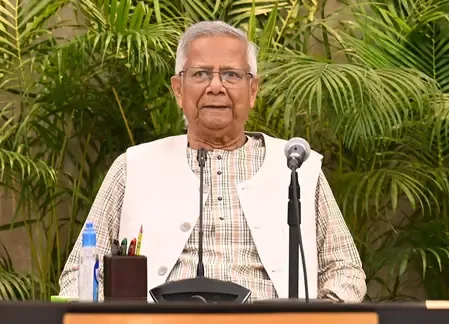
New Delhi, Dec 26 (NationPress) Former diplomat Mahesh Sachdeva emphasized on Friday that the recent mob lynching of a Hindu youth in Bangladesh, marking the second such incident within a week, highlights the inability of the Muhammad Yunus-led interim government to uphold law and order in the region.
This statement came a day after reports from Bangladeshi media confirmed the death of another Hindu, 29-year-old Amrit Mondal, who was allegedly attacked by a mob in the Hossaindanga area of Kalimohar Union late Wednesday, fueled by sectarian animosity.
In an exclusive conversation with IANS, Sachdeva remarked, "The emergence of this second incident within such a short timeframe raises significant concerns. It first and foremost indicates the ineffectiveness of the Bangladeshi interim government in ensuring public safety. Furthermore, it highlights the growing competitive Islamism among political factions in Bangladesh, as parties strive to present themselves as increasingly pro-Muslim and fundamentalist than their competitors."
He further pointed out that this political rivalry has led to a surge in hatred against minorities, the proliferation of conspiracy theories, and heightened social tensions and insecurities within minority communities.
"Lastly, it poses critical questions regarding whether this wave of communal violence will diminish following the February 12 elections or if these forces will escalate their power, worsening the situation," Sachdeva noted.
Additionally, the former diplomat stressed that the recent return of the Bangladesh Nationalist Party's (BNP) acting chairman, Tarique Rahman, after 17 years of self-imposed exile, is likely to influence the electoral dynamics in the country, with the BNP anticipated to be a major contender in the upcoming February 12, 2026, elections.
Commenting on Rahman’s address to a large crowd in Dhaka, Sachdeva stated, "His arrival was marked by conciliatory statements, asserting that Bangladesh is for everyone, including Muslims and Christians, while commending the nation’s progress during his absence, implicitly recognizing the advancements made by the Awami League government. Observers are keen to see if he will adopt a more moderate approach towards India and outline a comprehensive economic and social agenda amidst Bangladesh's current challenges."
Analysts believe that Rahman's involvement in the February 2026 elections will be a critical test of the political landscape, which is currently under the significant stress of the Yunus-led interim government that faces immense pressure to conduct a free, fair, and credible election.
Bangladesh has witnessed rampant violence over the past 14 months, escalating since the announcement of the election schedule. Critics caution that Rahman's return to the charged political environment could heighten tensions throughout the nation.
The BNP, under Khaleda Zia, collaborated closely with Yunus's interim government to oust the democratically elected Awami League government last year.
Point of View
The recent events in Bangladesh starkly illustrate the urgent need for effective governance and protection of minority rights. It is crucial for the authorities to address the root causes of this violence and foster an environment of peace and inclusivity, ensuring that every community feels secure and represented.
NationPress
20 Sept 2026
Frequently Asked Questions
What caused the mob lynching in Bangladesh?
The mob lynching was driven by sectarian hatred, with tensions between different religious communities escalating.
Who is Mahesh Sachdeva?
Mahesh Sachdeva is a former diplomat who has commented on the political and social issues in Bangladesh.
What are the implications of Tarique Rahman's return?
Tarique Rahman's return may significantly impact the upcoming elections and the political dynamics in Bangladesh.
How has the Yunus government responded to the violence?
Critics argue that the Yunus government has failed to maintain law and order, leading to increased violence and insecurity.
What can be expected from the February 2026 elections?
The elections may either exacerbate existing tensions or provide a chance for political reform and stability.