Bolivia cabinet reshuffle: Paz unveils economic council amid protests
Synopsis
Facing more than three weeks of protests demanding his resignation, Bolivian President Rodrigo Paz has unveiled a cabinet reshuffle and a new monthly economic-social council — the government's first structural response to the crisis. With over 100 detained in El Alto and clashes spreading into central La Paz, the question is whether dialogue gestures can outpace street pressure.
Key Takeaways
President Rodrigo Paz announced a cabinet reshuffle and a new economic and social council on 21 May in La Paz .
The council will hold monthly meetings with farmers, trade unions, transport workers, artisans and other social groups.
Protests have continued for more than three weeks , led by farmers, miners, teachers and groups aligned with former President Evo Morales .
More than 100 people were detained during police and military operations in El Alto last weekend.
Foreign Minister Fernando Aramayo urged the OAS to support Bolivia's constitutional order and requested an international assessment mission.
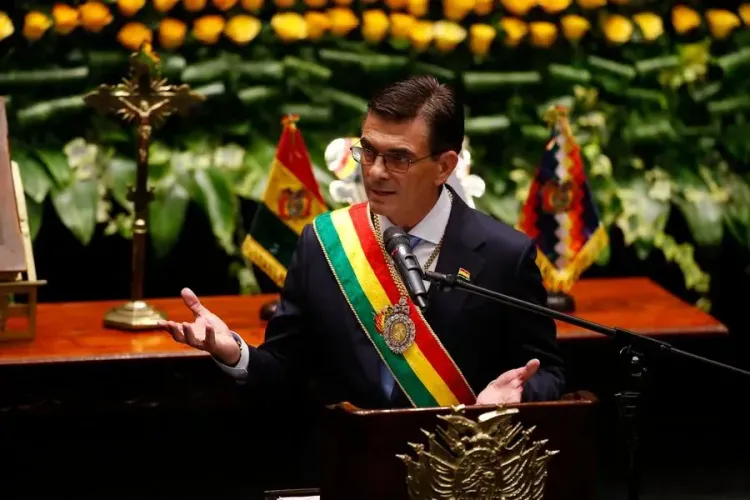
Bolivian President Rodrigo Paz on Wednesday, 21 May announced a cabinet reshuffle and the creation of a new economic and social council in La Paz, marking the government's first significant political restructuring since widespread protests erupted in late April. Demonstrators — including farmers, miners, teachers and factory workers — have been demanding his resignation since he took office in November.
What Paz Announced
'I want to announce that we are going to reshuffle the cabinet, which must have the capacity to listen. The president cannot be everywhere, the president cannot solve all the problems, but he must address all the problems,' Paz told reporters at a press conference in the Bolivian capital.
He said the restructured cabinet would be 'more agile, more accessible and willing to listen,' with a stronger emphasis on dialogue and addressing accumulated social grievances.
How the Economic and Social Council Will Work
The proposed council will bring together representatives of farmers, trade unions, the self-employed, transport workers, artisans and other social segments. Members will participate in monthly meetings with the government.
The body will be tasked with evaluating the implementation of public policies, deliberating on reforms proposed by the president, and countering what officials describe as misinformation about government measures.
The Scale of Bolivia's Unrest
The announcement comes as Bolivia faces some of its most severe civil unrest in recent years. For more than three weeks, protesters have erected roadblocks across the country. Key participants include the Bolivian Workers' Central union and groups aligned with former President Evo Morales.
Tensions escalated sharply after police and military operations last weekend in El Alto, near La Paz, to clear roads and restore access to food and fuel supplies. Officials said more than 100 people were detained. Since Monday, protests have shifted into central La Paz, where clashes, looting and damage to public and private property have been reported.
Bolivia's Appeal to the OAS
Bolivian Foreign Minister Fernando Aramayo addressed a virtual session of the Organization of American States (OAS) Permanent Council on Wednesday, warning that weeks of road blockades, protests and violence pose a threat to Bolivia's democratic order, institutional stability and basic rights.
Aramayo called on the OAS and its member states to reaffirm support for Bolivia's constitutional order and condemn political violence aimed at disrupting state institutions. He also requested the dispatch of an international OAS mission to assess the situation on the ground. 'No demand can justify violence, intimidation or violations of citizens' rights,' he said.
What Comes Next
The cabinet reshuffle and council formation represent the government's opening bid at political de-escalation, but whether they will satisfy protest leaders — many of whom are demanding Paz's outright resignation — remains to be seen. The OAS mission request, if accepted, could add an international dimension to the crisis in the weeks ahead.
Point of View
But it also signals that La Paz does not believe it can resolve this domestically. With Evo Morales-aligned groups in the streets and over 100 detained in El Alto, the window for a soft landing is narrowing.
NationPress
7 Oct 2026
Frequently Asked Questions
Why is Bolivian President Rodrigo Paz reshuffling his cabinet?
President Paz announced the reshuffle on 21 May in response to more than three weeks of nationwide protests demanding his resignation. He said the new cabinet would be more agile, accessible and willing to address accumulated social grievances.
What is Bolivia's new economic and social council?
It is a consultative body that will bring together representatives of farmers, trade unions, the self-employed, transport workers and artisans for monthly meetings with the government. The council will evaluate public policy implementation and debate presidential reforms.
Who is behind the protests in Bolivia?
The protests involve a broad coalition including farmers, miners, teachers, factory workers, the Bolivian Workers' Central union and groups aligned with former President Evo Morales. What began as sectoral grievances has escalated into a political movement demanding Paz's resignation.
What happened in El Alto during the Bolivia unrest?
Police and military conducted operations in El Alto, near La Paz, last weekend to clear roadblocks and restore access to food and fuel. Officials confirmed that more than 100 people were detained. Protests subsequently moved into central La Paz, where clashes and looting were reported.
What did Bolivia ask the OAS to do?
Foreign Minister Fernando Aramayo asked the OAS Permanent Council to reaffirm support for Bolivia's constitutional order, condemn political violence and dispatch an international mission to assess the political and social situation on the ground.