Bulgaria Conducts Its 8th Parliamentary Election in Five Years
Synopsis
On April 18, Bulgarians participated in their eighth parliamentary election in five years, driven by political unrest and government resignations. With over 6.6 million voters and a diverse candidate pool, the election seeks to restore stability in the nation.
Key Takeaways
Bulgaria's election marks its eighth in five years.
6.6 million voters are eligible to vote.
The election is prompted by political instability and protests.
Polling stations are open until 8 p.m. local time.
Final results are expected by April 23 .
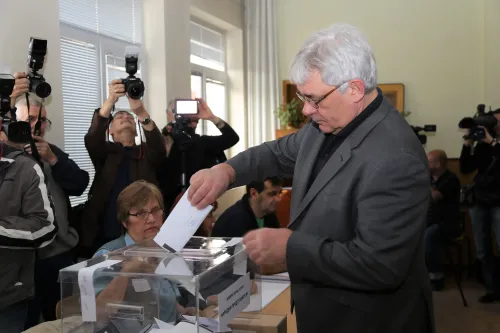
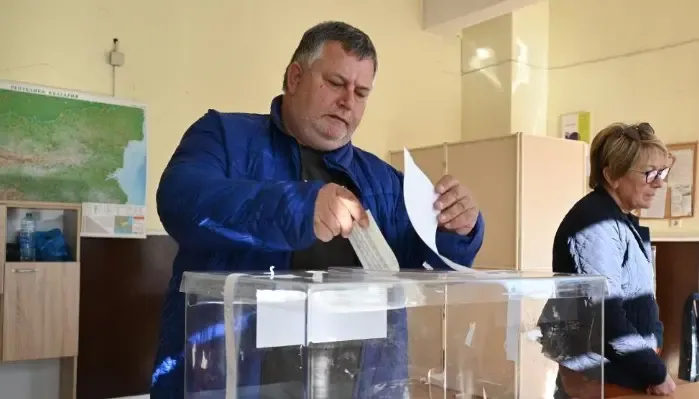
Sofia, April 18 (NationPress) On Sunday, Bulgarians cast their votes in an early parliamentary election, marking the eighth legislative vote in just five years.
Approximately 6.6 million voters are eligible to select 240 lawmakers from a pool of over 4,700 candidates representing 14 political parties, 10 coalitions, and one independent candidate, as per the Central Election Commission, according to Xinhua news agency.
The commission reported that polling stations across the nation opened at 7 a.m. (local time) and will close at 8 p.m.
Additionally, polling stations in 55 countries and regions have been established for Bulgarians residing abroad to participate in the election.
Exit polls will be released immediately following the closing of polling stations in Bulgaria, with final results expected no later than April 23.
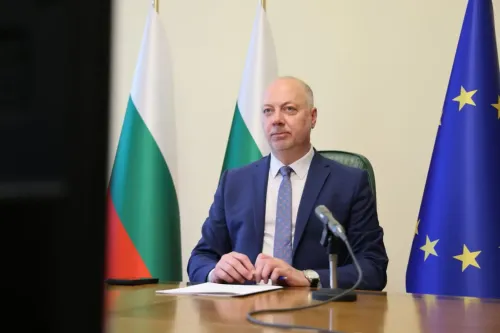
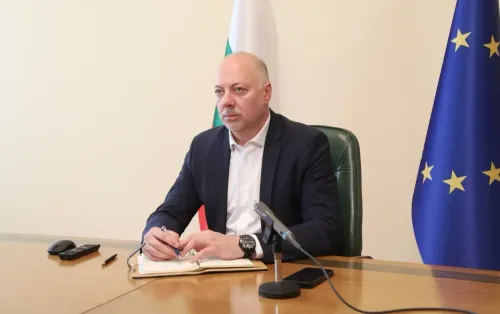
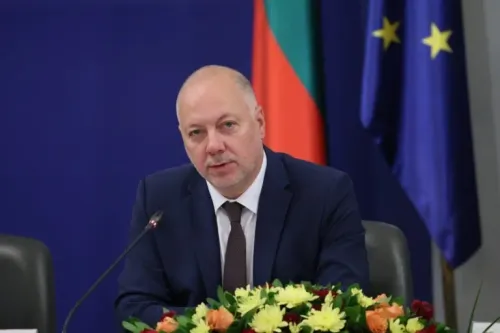
The elections became necessary after the resignation of Prime Minister Rosen Zhelyazkov's coalition government in December 2025, sparked by widespread protests against the ruling majority's economic policies. Subsequently, parliamentary parties failed to establish a new government.
Zhelyazkov’s administration assumed power on January 16 last year following snap elections in October 2024.
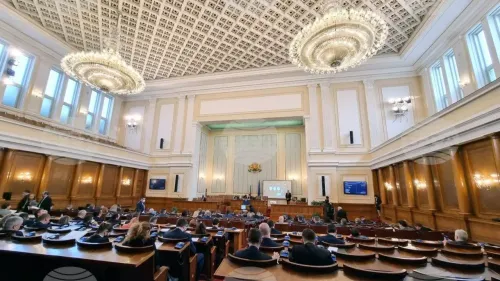
The National Assembly serves as Bulgaria's legislative authority, responsible for electing the government by simple majority and holds a four-year term, barring certain exceptional situations.
Bulgaria is conducting early parliamentary elections after the third and final attempt to form a government within the existing legislature was unsuccessful in January.
Bulgaria’s President Rumen Radev had proposed the parliamentary group 'Alliance for Rights and Freedoms' (ARF) to form a government in January, but the offer was declined. The two largest parliamentary groups, GERB-UDF and PP-DB, also rejected the opportunity to form a government during the same month.
In February, President Iliana Lotova appointed Andrey Gurov as the caretaker prime minister.
Point of View
I observe that Bulgaria’s current political climate reflects significant instability. The repeated elections indicate ongoing challenges in establishing a stable government, necessitated by public discontent over economic policies. This election presents an opportunity for change, but the outcome remains uncertain.
NationPress
19 Sept 2026
Frequently Asked Questions
Why is Bulgaria holding another election?
Bulgaria is conducting its eighth parliamentary election in five years due to the resignation of Prime Minister Rosen Zhelyazkov's coalition government amid protests and the failure to form a new government.
What is the voter turnout expected to be?
Approximately 6.6 million citizens are eligible to vote in this election, but turnout will depend on various factors, including public sentiment and engagement.
When will the final election results be announced?
Final results from the election are expected to be announced no later than April 23.
Who is the caretaker prime minister of Bulgaria?
Andrey Gurov was appointed as the caretaker prime minister by President Iliana Lotova in February.
What are the major political parties involved?
The election features candidates from 14 political parties and 10 coalitions, including the two largest groups, GERB-UDF and PP-DB.