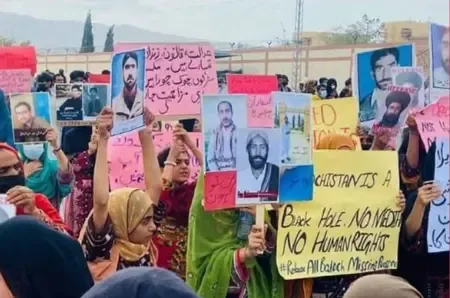
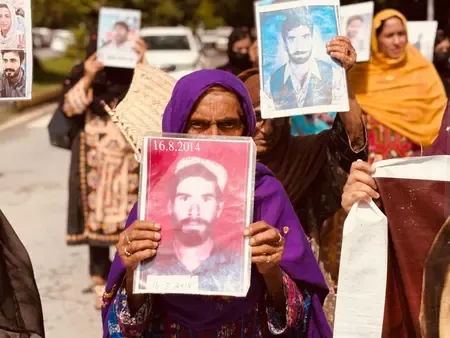
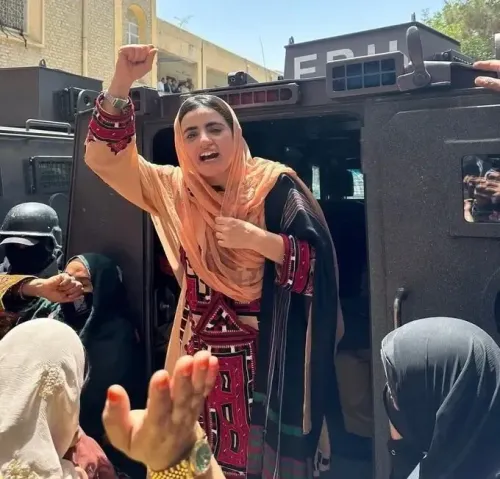
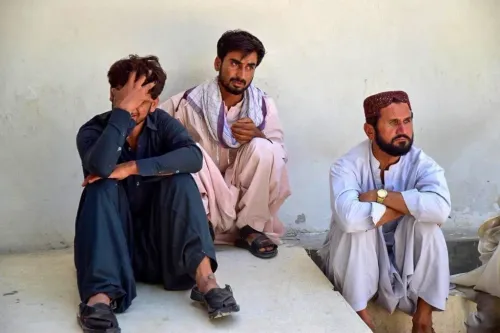
BYC report: 43 'kill and dump' victims in Balochistan in early 2026
Synopsis
A new BYC report documents 43 'kill and dump' victims and 21 targeted killings in Balochistan in just four months of 2026 — figures the rights body says are an undercount. With incidents spanning six districts and judiciary accountability described as compromised, the organisation is now calling for UN-led independent investigation.
Key Takeaways
The Baloch Yakjehti Committee (BYC) documented 43 'kill and dump' victims and 21 targeted killings in Balochistan between January and April 2026 .
Figures are described as undercounts, excluding unidentified bodies, fake encounters, and cases where families were pressured to bury victims silently.
In the first half of 2025 , the BYC had recorded 47 kill and dump victims and 32 targeted killings , including minors.
Incidents were reported across six districts : Awaran, Gwadar, Kech, Kharan, Panjgur, and Quetta.
The BYC alleged Pakistan's judiciary has issued "biased and influenced" rulings, shielding security forces from accountability.
The rights body has called on the UN Human Rights Council and special rapporteurs to pressure Islamabad and establish independent investigative bodies.
The Baloch Yakjehti Committee (BYC) on 6 May 2026 released a thematic report documenting a sharp rise in alleged extrajudicial killings and body-dumping incidents in Balochistan, attributing the pattern to Pakistani security forces. The report, titled Kill and Dump Policy in Balochistan, recorded 43 victims of so-called "kill and dump" cases and 21 cases of targeted killings between January and April 2026 — with victims identified by their families.
Key Findings of the BYC Report
The BYC cautioned that its documented figures are likely an undercount. "These figures do not include those victims who were either unidentified, buried in silence, or bodies of victims secretly handed over to families to bury them at once. These figures do not include fake encounters, unidentified dumped bodies and victims killed in other modes," the rights body stated in its report.
For context, the organisation recorded 47 victims of kill and dump cases and 32 victims of targeted killings in the first half of 2025, including minors in both categories. The BYC described the early 2026 data as indicative of a significant increase in both scale and intensity compared to prior periods.
Districts Where Incidents Were Reported
According to the BYC, recurring patterns of killings were documented across multiple districts, including Awaran, Gwadar, Kech, Kharan, Panjgur, and Quetta. The organisation described the geographic spread as raising grave concerns about the systematic nature of these acts, noting that such incidents have been reported over the past two decades.
Judiciary and Accountability Failures
The report highlighted a near-total absence of judicial accountability. The BYC alleged that judges and state officials who have spoken out against these human rights violations have faced reprisals from Pakistani authorities. It further charged that Pakistan's judiciary — from the apex court down to anti-terrorism courts — has, in its assessment, "exhausted" the people of Balochistan through what it described as "biased and influenced" rulings, compromising judicial independence.
This comes amid longstanding international concern over enforced disappearances in the province, a practice that United Nations human rights bodies have repeatedly flagged in periodic reviews of Pakistan's record.
What the BYC Is Demanding
The rights body called for a strengthened legal framework to criminalise enforced disappearances and for independent investigative bodies — insulated from political and military influence — that include participation from United Nations special rapporteurs and international experts. "Establishing independent investigative bodies with the participation of international independent experts or special rapporteurs from the United Nations... can provide a transparent mechanism for addressing cases," the BYC stated.
The organisation also urged the UN Human Rights Council, special rapporteurs, working groups, and other international bodies to pressure Pakistani authorities to adopt a more humane approach toward the people of Balochistan. How Islamabad responds to this latest report — and whether international pressure translates into any accountability mechanism — will be closely watched in the months ahead.
Point of View
Yet accountability remains structurally absent. The most telling detail is not the raw numbers — it is the admission that those numbers are undercounts, with families pressured into silence and bodies buried without record. That the report also indicts the judiciary, from apex court to anti-terrorism tribunals, suggests the failure is not incidental but institutional. Without an independent UN mechanism with real access, these figures will continue to be documented and ignored in equal measure.
NationPress
23 Sept 2026
Frequently Asked Questions
What is the 'kill and dump' policy documented by the BYC in Balochistan?
The term refers to a pattern of alleged extrajudicial killings by Pakistani security forces in which victims are killed and their mutilated bodies subsequently dumped. The BYC's 2026 report documented 43 such victims between January and April 2026, in addition to 21 targeted killings.
Who is the Baloch Yakjehti Committee (BYC)?
The Baloch Yakjehti Committee is a human rights organisation that monitors and documents alleged abuses against Baloch civilians in Balochistan, Pakistan. It has released multiple thematic reports on enforced disappearances and extrajudicial killings in the region.
How does the 2026 data compare to 2025 figures?
In the first half of 2025, the BYC recorded 47 kill and dump victims and 32 targeted killings, including minors. The organisation says early 2026 data indicates a significant increase in both scale and intensity of such incidents.
Which districts in Balochistan were most affected?
The BYC report identified recurring incidents across Awaran, Gwadar, Kech, Kharan, Panjgur, and Quetta, describing the geographic spread as evidence of a systematic pattern rather than isolated incidents.
What action is the BYC calling for internationally?
The BYC has urged the UN Human Rights Council, special rapporteurs, and working groups to pressure Pakistan and help establish independent investigative bodies — including international experts insulated from political and military influence — to ensure transparent accountability.