Cambodia's Retail Fuel Prices Fall Amid US-Iran Ceasefire
Synopsis
In a significant move, Cambodia's retail fuel prices have decreased following a ceasefire between the US and Iran. This article explores the implications of this price drop and the government's efforts to mitigate the impact of rising fuel costs on citizens.
Key Takeaways
Fuel prices in Cambodia have dropped following a ceasefire agreement.
The price of regular gasoline is now 5,100 riels per litre.
Diesel costs 6,400 riels per litre.
Government subsidies aim to alleviate the impact of rising fuel prices.
Cambodia remains reliant on imported fuel sources.
Phnom Penh, April 15 (NationPress) - Fuel prices for consumers in Cambodia have seen a further decrease following a two-week ceasefire agreement between the United States and Iran, as reported by the Ministry of Commerce.
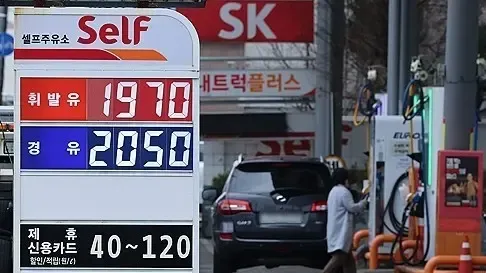
According to the ministry's announcement, the price of a litre of regular gasoline has been set at 5,100 riels (approximately 1.28 US dollars) effective from Wednesday until further notice, marking a 1.9 percent decline from the previous price of 5,200 riels (about 1.3 dollars) over the last five days.
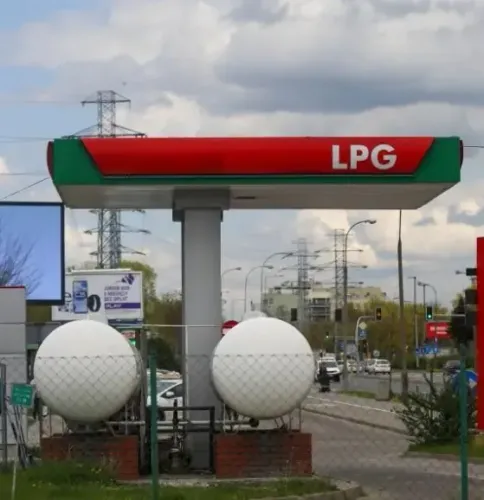
Meanwhile, diesel is now priced at 6,400 riels (around 1.6 dollars) per litre, reflecting a 7.24 percent drop, while the cost of Liquefied Petroleum Gas remains stable at 3,900 riels (approximately 0.97 dollars) per litre.
Prime Minister Hun Manet of Cambodia announced last Saturday that the General Department of Customs and Excise has been providing around 50 million dollars monthly through reductions in import duties and taxes to alleviate the burden of increasing fuel prices.
Earlier, on April 10, the Ministry of Commerce had indicated that a litre of regular gasoline was priced at 5,200 riels (1.3 US dollars) until further notice, which was a 5.4 percent reduction from 5,500 riels (1.37 dollars) in the preceding three days.
The price of diesel had then been 6,900 riels (1.73 dollars) per litre, down by 15.8 percent from 8,200 riels (2.05 dollars), as stated in that announcement.
In addition, the cost of Liquefied Petroleum Gas has remained unchanged at 3,900 riels (0.97 dollars) per litre.
The General Department of Customs and Excise revealed on Wednesday that it has subsidized approximately 47 million US dollars monthly to offset the impact of fuel price increases due to the ongoing conflict in the Middle East.
These subsidies have been facilitated through reductions in import duties and taxes on oil and gas, as well as on electric vehicles, plug-in hybrid electric vehicles, electric stoves, and solar-powered devices.
The Southeast Asian nation is fully dependent on imported petroleum and diesel, as its own offshore oil reserves have yet to be tapped.
Point of View
It is crucial to inform the public about the fluctuations in fuel prices that directly affect daily life. The recent drop in prices due to international factors shows the interconnectedness of global events and local economies. The government’s proactive measures to subsidize costs reflect a commitment to supporting citizens amid external pressures.
NationPress
19 Sept 2026
Frequently Asked Questions
What are the current fuel prices in Cambodia?
As of now, regular gasoline is priced at 5,100 riels (about 1.28 US dollars) per litre, while diesel costs 6,400 riels (approximately 1.6 dollars) per litre.
Why have fuel prices decreased in Cambodia?
Fuel prices have decreased due to a two-week ceasefire between the United States and Iran, which has influenced market conditions.
How does the Cambodian government support fuel pricing?
The Cambodian government subsidizes fuel prices by reducing import duties and taxes, amounting to around 50 million dollars a month.
Is Cambodia self-sufficient in oil production?
No, Cambodia relies entirely on imported petroleum and diesel as its domestic oil reserves have not been exploited yet.
What is the price of Liquefied Petroleum Gas in Cambodia?
The price of Liquefied Petroleum Gas remains unchanged at 3,900 riels (approximately 0.97 dollars) per litre.