Shahdol's Shubham Tiwari builds millet brand Granoxy with PMFME aid
Synopsis
Rejected by Coal India due to colour blindness, Shahdol's Shubham Tiwari turned to Kodo and Kutki millets — and with ₹50 lakh in PMFME-backed credit, built Granoxy into a multi-city brand now exporting to the UAE, USA, and Gulf nations, with a Walmart partnership in the works.
Key Takeaways
Shubham Tiwari of Shahdol, Madhya Pradesh founded millet brand Granoxy after being denied a Coal India job due to colour blindness in 2016 .
He secured approximately ₹50 lakh in bank loans under the PMFME scheme , including a ₹10 lakh subsidy; total project cost was approximately ₹2 crore .
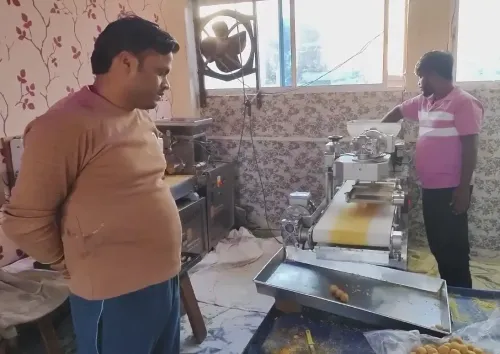
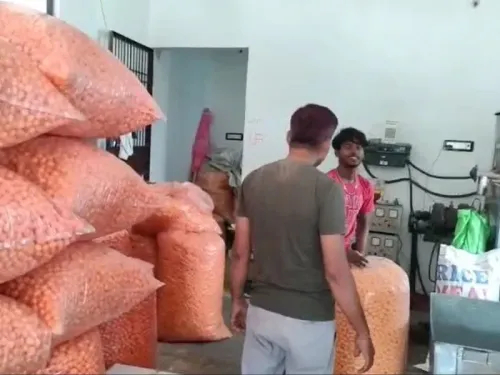
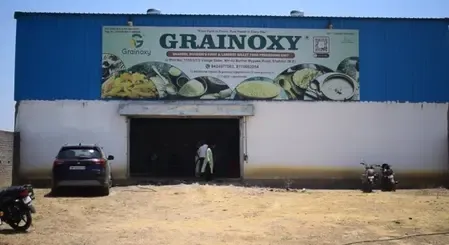
Granoxy operates processing and retail units in Shahdol , Ujjain , and Jabalpur , with a processing capacity of one ton per hour .
Products are currently exported to Sri Lanka , the UAE , Gulf nations , Iran , and the USA ; a Walmart partnership for the UK and Canada is reportedly in progress.
A pre-order of 42 tons of produce has already been received.
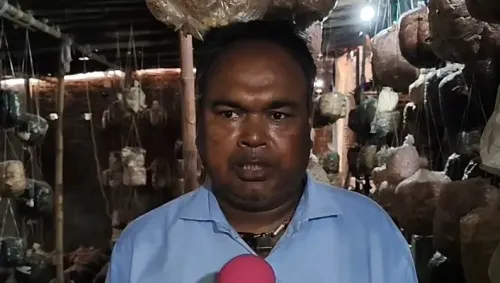
The enterprise has generated local employment, with workers citing improved financial stability.
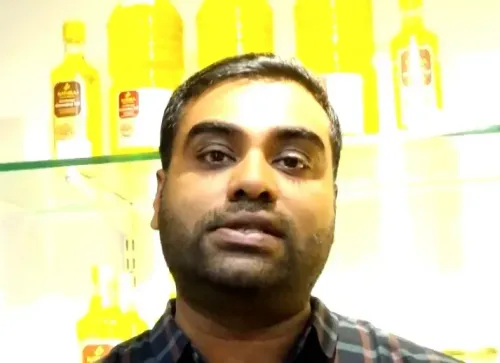
Shubham Tiwari, a young entrepreneur from Shahdol district in Madhya Pradesh, has built a thriving millet-based food enterprise called Granoxy — with units across three cities and products now reaching international markets — after overcoming a career setback caused by colour blindness. His journey, supported in part by the Pradhan Mantri Formalisation of Micro Food Processing Enterprises (PMFME) scheme, has drawn attention as a model of rural entrepreneurship powered by government-backed credit and subsidy.
From Rejection to Enterprise
Shubham's path to entrepreneurship was shaped by adversity. He was declared colour-blind in 2016 and consequently denied appointment at Coal India despite having cleared the required examinations. The setback, according to his father Santosh Kumar Tiwari, pushed Shubham to chart his own course rather than pursue conventional employment.
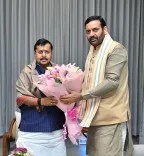
A subsequent meeting with the then-Governor of Kerala, Arif Mohammed Khan, and a prominent businessman from the United States — who provided initial financial support — proved pivotal. Following the COVID-19 pandemic, Shubham set his sights on millet processing, leveraging coarse grains such as Kodo and Kutki that are native to the tribal belt of Madhya Pradesh.
Building Granoxy: Three Units, Multiple Products
Shubham established his first millet processing unit in Shahdol, with a capacity of one ton per hour. He subsequently opened a bakery unit in Ujjain and a 'Superfood Cafe' in Jabalpur, offering millet-based pizzas, sandwiches, pasta, cookies, and other health-focused food items. Granoxy positions these products as nutritionally superior alternatives to conventional processed foods.
The organisation's Director, Sakshi Tiwari, stated that she oversees quality operations and acknowledged that government schemes have significantly aided the enterprise's growth.
PMFME Scheme: The Financial Backbone
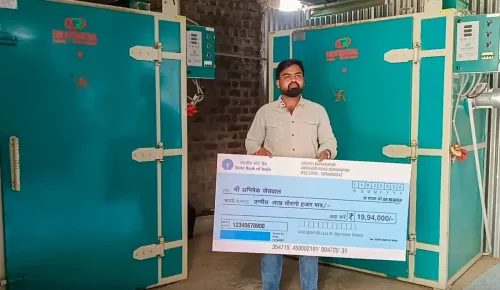
Under the PMFME scheme, Shubham secured a bank loan of approximately ₹50 lakh — including a subsidy of ₹10 lakh. Mobilising additional resources alongside this support, he established the processing unit at a total project cost of approximately ₹2 crore. He has stated that without the scheme's assistance, his family's financial situation would have been untenable.
His mother, Usha Tiwari, highlighted the role played by both the Central and State governments in enabling the venture's growth.
International Reach and Expansion Plans
Granoxy's products are currently reaching markets in Sri Lanka, the UAE, Gulf nations, Iran, and the USA. Shubham is reportedly preparing to expand into the UK and Canada through a partnership with Walmart, and has received a pre-order for 42 tons of produce.
Local Employment Impact
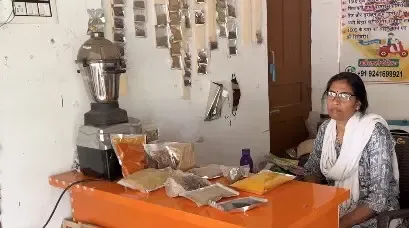
The enterprise has also created local livelihoods. Workers Deepmala Saket, Durga Devi Chaudhary, and Mahak Chaudhary, employed at the unit, shared that securing jobs there has improved their financial stability and enabled them to better provide for their families. As Granoxy eyes further international markets, its trajectory will serve as a test of whether PMFME-backed micro-enterprises can scale sustainably beyond domestic boundaries.
Point of View
But the harder question is whether PMFME's ₹10 lakh subsidy component is genuinely driving scale or simply providing a launchpad that most beneficiaries cannot sustain past the initial unit. Granoxy's international reach — if the Walmart partnership and 42-ton pre-order materialise — would be a rare proof point for the scheme. India's millet push under the International Year of Millets has generated significant government narrative; what it still lacks is a cluster of verifiable, export-scale enterprises. Granoxy could be one, but independent verification of export volumes and employment numbers would strengthen the case considerably.
NationPress
13 Oct 2026
Frequently Asked Questions
What is the PMFME scheme that helped Shubham Tiwari?
The Pradhan Mantri Formalisation of Micro Food Processing Enterprises (PMFME) scheme is a Central government initiative that provides credit-linked subsidies to micro food processing units. Under it, Shubham Tiwari secured a bank loan of approximately ₹50 lakh, including a ₹10 lakh subsidy, to establish his millet processing operations.
What is Granoxy and what products does it make?
Granoxy is a millet-based food enterprise founded by Shubham Tiwari, with units in Shahdol, Ujjain, and Jabalpur in Madhya Pradesh. It uses coarse grains Kodo and Kutki to produce pasta, cookies, pizzas, sandwiches, and other health-focused food items.
Which countries does Granoxy export to?
Granoxy currently exports to Sri Lanka, the UAE, Gulf nations, Iran, and the USA. The enterprise is reportedly preparing to enter the UK and Canadian markets through a partnership with Walmart.
Why did Shubham Tiwari not take up a government job?
Shubham Tiwari was declared colour-blind in 2016 and was denied appointment at Coal India despite clearing the required examinations. This setback led him to pursue entrepreneurship in millet processing instead.
How many people does Granoxy employ locally?
The article mentions at least three workers — Deepmala Saket, Durga Devi Chaudhary, and Mahak Chaudhary — who are employed at the unit and have reported improved financial stability as a result of their employment there.