Funding Shortage Disrupts Free Cancer Treatment in Khyber Pakhtunkhwa
Synopsis
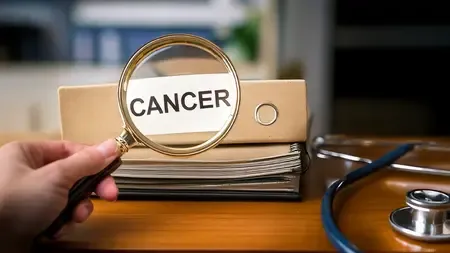
In Khyber Pakhtunkhwa, Pakistan, a lack of funds is obstructing free cancer treatment for over 1,000 patients. Health officials are calling for urgent financial support to prevent a healthcare crisis as costs of essential medications soar.
Key Takeaways
Over 1,000 cancer patients are awaiting treatment in Khyber Pakhtunkhwa due to funding shortages.
The government needs to release PKR 680 million to continue the free treatment program.
Prices for vital medications have surged, making access increasingly difficult for low-income patients.
Oncologists warn that the halt in free medications may lead to increased mortality rates.
Government intervention is urgently needed to address both funding and medication price issues.
Islamabad, April 17 (NationPress) The provision of complimentary cancer treatment for patients at three prominent medical teaching facilities in Khyber Pakhtunkhwa, Pakistan, is facing significant challenges due to insufficient funding, as reported by local media on Friday.
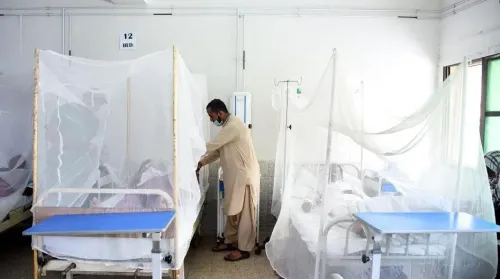
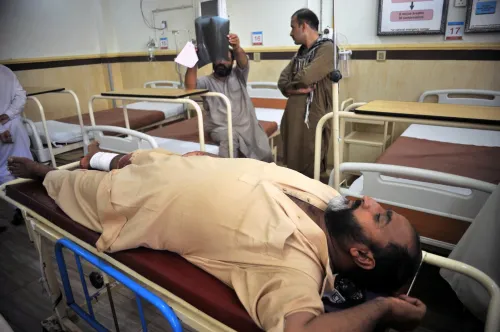
Health Secretary of Pakistan, Shahidullah Khan, has been in discussions with the Planning and Development Department regarding the reallocation of funds necessary to restart cancer treatments, according to the daily Dawn. Currently, over 1,000 underprivileged patients registered for cancer care are awaiting medications at Hayatabad Medical Complex (HMC) and Khyber Teaching Hospital (KTH) in Peshawar, as well as Ayub Teaching Hospital (ATH) in Abbottabad.
Reports indicate that the government must allocate PKR 1,500 million for the free treatment initiative for the fiscal year 2025-26; however, only PKR 820 million has been disbursed to date, leaving PKR 680 million pending.
To date, 347 patients have received free medications from ATH since August 2025, but their stock, last replenished in December 2025, is almost exhausted. KTH similarly lacks stock, leaving 623 registered patients without necessary drugs, as reported by Dawn.
Oncologists involved in the free medication program revealed that more than 10,000 patients have benefited since its inception. They emphasized that the initiative is open to all patients, asserting that hospitals cannot deny care to those in dire circumstances, such as patients in the advanced stages of cancer. The cessation of free medication could lead to an increased mortality rate among afflicted individuals, given the high costs of cancer drugs.
In parallel, the prices of medications have surged dramatically in the open market, particularly at the pharmaceutical hub of Bohor Bazaar in Rawalpindi, with increases ranging from 50% to 500%, according to local news reports.
Essential medicines, such as those for diabetes, hypertension, antibiotics, gastrointestinal disorders, and cough remedies, have seen notable price hikes. For instance, the cost of an insulin injection device has escalated from PKR 2,200 to PKR 4,720, as reported by The Express Tribune.
Vitamin B supplements have also increased from PKR 500 to PKR 600, while medications for indigestion and acidity have risen from PKR 530 to PKR 620. Prices for nutritional and vitamin supplements have grown from PKR 480 to PKR 510.
The cost of thyroid medication has jumped from PKR 85 to PKR 290, and commonly used typhoid treatments have increased from PKR 805 to PKR 930. Many other crucial medications have also seen price increases.
Critics have labeled the price hikes as “unbearable,” arguing that the rising costs of insulin devices, now priced between PKR 2,000 and PKR 5,000, are making it increasingly difficult for low-income patients to access vital treatments, urging government intervention.
Point of View
It is crucial to highlight the dire consequences of inadequate funding for healthcare, particularly for vulnerable populations. The situation in Khyber Pakhtunkhwa exemplifies the broader challenges faced by the healthcare system in Pakistan, necessitating immediate government action to ensure that patients receive the treatment they deserve.
NationPress
25 Sept 2026
Frequently Asked Questions
What is causing the lack of free cancer treatment in Khyber Pakhtunkhwa?
The lack of free cancer treatment in Khyber Pakhtunkhwa is primarily due to insufficient funding, with only PKR 820 million allocated out of the required PKR 1,500 million for the 2025-26 fiscal year.
How many patients are affected by the funding shortfall?
Over 1,000 cancer patients are currently waiting for treatment due to the funding shortfall at major medical institutions in Khyber Pakhtunkhwa.
What has been the impact of rising medication prices?
Rising medication prices have made it increasingly difficult for patients, especially those from low-income backgrounds, to afford essential treatments, compounding the healthcare crisis.
What are oncologists saying about the situation?
Oncologists have raised concerns that the cessation of free medication could lead to increased fatalities among cancer patients, as many cannot afford the high costs of necessary drugs.
What actions are being taken to resolve the funding issue?
Health Secretary Shahidullah Khan is in discussions with the Planning and Development Department to reallocate funds needed to resume cancer treatments.