China coal mine blast kills 82 in Shanxi, nine still trapped
Synopsis
A gas explosion at the Liushenyu coal mine in Shanxi Province has killed 82 people — one of China's deadliest mining disasters in recent years — with nine workers still trapped underground. Despite years of tightened safety rules, the blast exposes how far China's coal sector remains from eliminating fatal accidents, and President Xi Jinping has personally ordered accountability.
Key Takeaways
A gas explosion at Liushenyu coal mine , Qinyuan County , Shanxi Province on Friday killed 82 people .
Nine workers remain trapped underground as rescue operations continue.
China deployed six national mine rescue teams totalling 345 personnel to the site.
More than 100 people have been hospitalised; a company official has been placed under legal control.
President Xi Jinping ordered maximum rescue effort and a full accountability investigation.
The blast is among China's deadliest mining incidents in recent years, despite tightened safety regulations.
A gas explosion at the Liushenyu coal mine in Qinyuan County, Shanxi Province, northern China, has killed 82 people and left nine others trapped underground, according to reports from the site. The blast struck on Friday, triggering one of the deadliest mining disasters in the country in recent years, with rescue operations still under way as of Saturday, 23 May.
Scale of the Rescue Operation
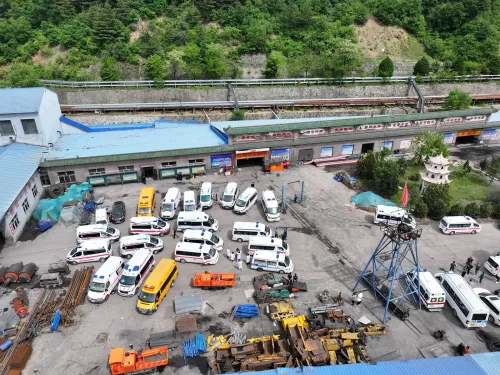
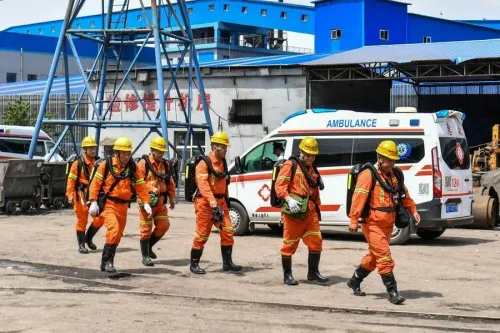
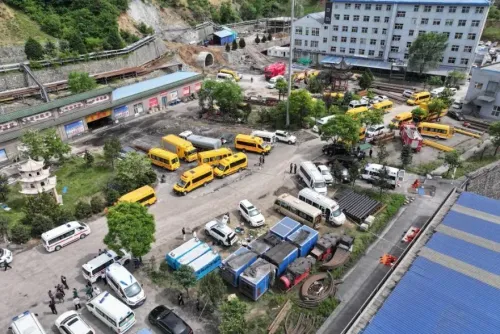
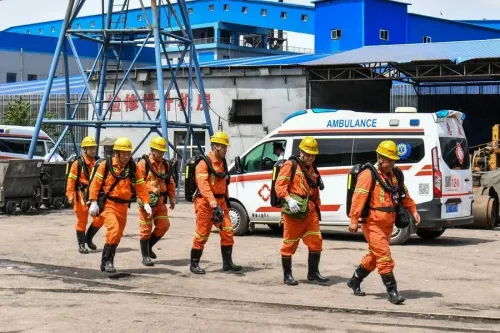
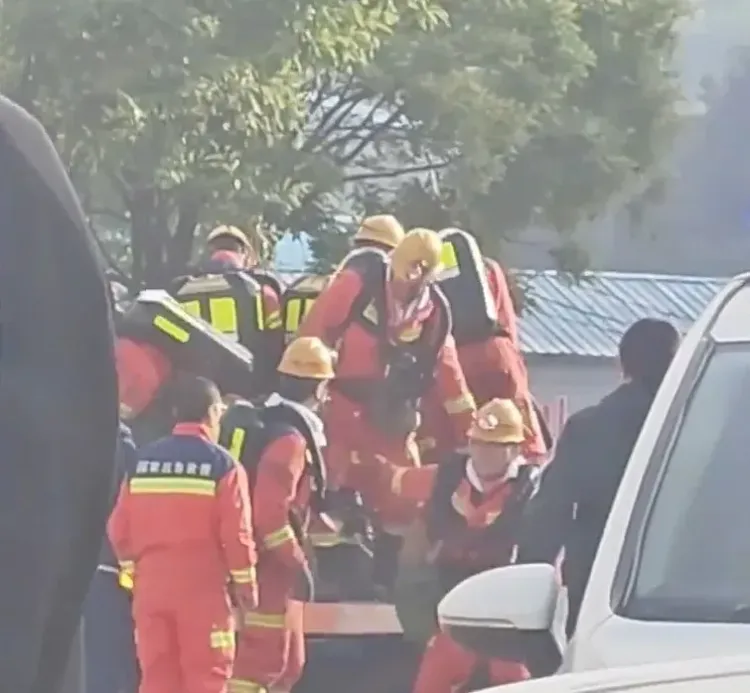
China's Ministry of Emergency Management deployed six national mine emergency rescue teams comprising 345 personnel with specialised equipment to the site in Changzhi city. Hundreds of additional rescuers have also been mobilised on the ground. Footage from state media showed paramedics carrying stretchers near waiting ambulances, with more than 100 people reported to have been transferred to hospital for treatment.
Government Response and Accountability
Chinese President Xi Jinping directed authorities to exhaust every possible effort to rescue survivors and ensure adequate medical care for the injured. He also ordered a thorough investigation into the cause of the explosion and instructed that those found responsible be held to account. Separately, a company official linked to the mine has been placed under legal control by authorities, according to the rescue headquarters.
Pattern of Mining Disasters in China
Deadly accidents have long plagued China's coal mining sector. Although safety regulations have been progressively tightened over the past decade, fatal incidents continue to occur with regularity. Earlier in 2025, three workers were trapped after an underground tunnel collapse at a coal mine in Zhenping County, Ankang city, in Shaanxi Province — a separate incident in which five of eight workers managed to escape safely. The Shanxi explosion underscores the persistent gap between regulatory intent and on-ground safety compliance in China's vast coal sector.
What Comes Next
Rescue teams continue to work through the mine to reach the nine still trapped. Investigators are expected to determine whether ventilation failures, illegal blasting, or equipment faults triggered the gas build-up. The outcome of the government's accountability probe — and whether it results in meaningful enforcement action — will be closely watched by mining safety advocates across the region.
Point of View
Yet Shanxi, the country's coal heartland, continues to produce mass-casualty incidents. The swift detention of a company official signals political pressure to assign blame fast, but accountability theatre and structural reform are different things. Until incentive structures for mine operators change — and until local governments stop prioritising output over safety — the next disaster is a matter of when, not if.
NationPress
20 Sept 2026
Frequently Asked Questions
What happened at the Liushenyu coal mine in China?
A gas explosion struck the Liushenyu coal mine in Qinyuan County, Shanxi Province, on Friday, killing 82 people and leaving nine others trapped underground. More than 100 individuals have been taken to hospital, and rescue operations remain ongoing.
How many rescuers have been deployed to the Shanxi mine blast?
China's Ministry of Emergency Management dispatched six national mine emergency rescue teams totalling 345 personnel with equipment to the site. Hundreds of additional local rescuers have also been mobilised.
What has President Xi Jinping said about the coal mine accident?
President Xi Jinping directed authorities to make every possible effort to rescue survivors and ensure proper medical treatment for the injured. He also ordered a full investigation into the cause of the explosion and called for those responsible to be held accountable.
Has anyone been held responsible for the Shanxi mine explosion?
A person responsible for the company involved in the explosion has been placed under legal control by authorities, according to the rescue headquarters. A broader government investigation into the cause is under way.
Is coal mining dangerous in China despite safety regulations?
Yes. China has progressively tightened mine safety standards over the past decade, but fatal accidents continue to occur. Earlier in 2025, a separate tunnel collapse in Shaanxi Province trapped three workers, highlighting that safety compliance remains an ongoing challenge across the sector.