China Rejects Trump's 'Gift' Claim Over Seized Iranian Ship
Synopsis
China's Foreign Ministry called Trump's 'gift from China' claim about a seized Iranian ship baseless speculation. The vessel, intercepted near the Strait of Hormuz, has been linked by Nikki Haley to missile-related chemical shipments — a charge Beijing flatly denies, deepening US-China diplomatic friction.
Key Takeaways
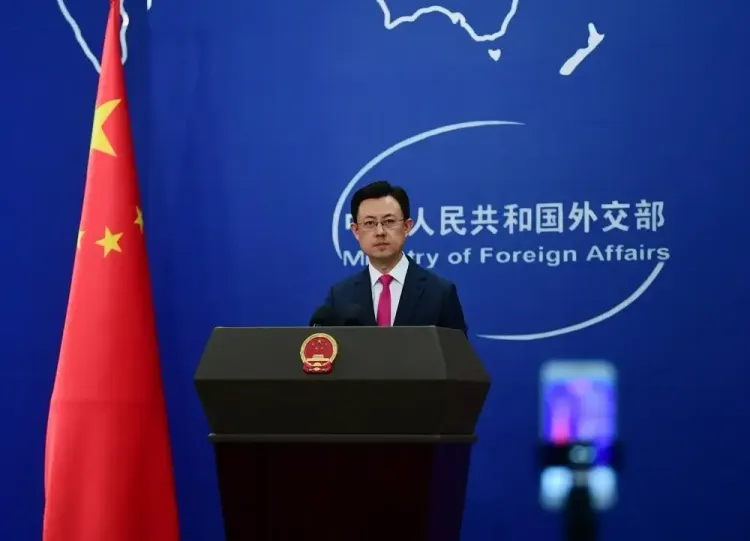
China's Foreign Ministry spokesperson Guo Jiakun on April 24 rejected Trump 's claim that a seized Iranian cargo ship carried a 'gift from China,' calling it baseless speculation.
President Trump made the 'gift from China' remark during a CNBC interview on April 22 , saying he was surprised given his understanding with President Xi Jinping .
Former US Governor Nikki Haley alleged on April 21 that the ship travelled from China to Iran and was linked to chemical shipments for missiles .
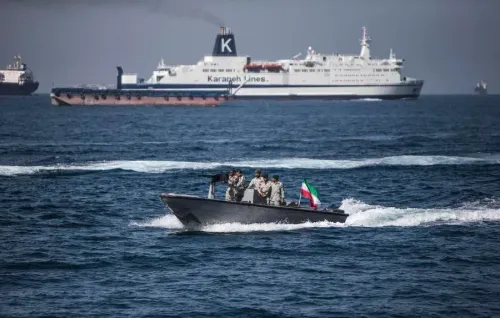
The vessel was intercepted near the Strait of Hormuz , a critical corridor through which one-fifth of global oil trade passes.
Guo Jiakun had earlier on April 20 described the Strait of Hormuz situation as "complex and fragile" and urged all parties to avoid escalating tensions.
The incident deepens existing friction between Washington and Beijing over China's alleged role in sustaining Iran's military and economic capabilities amid international sanctions.
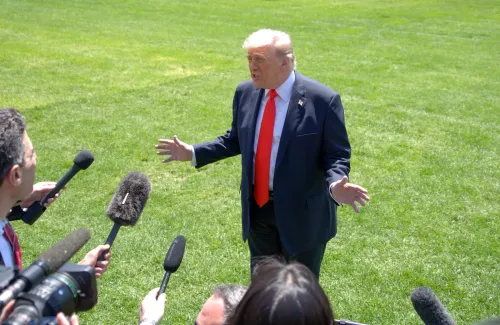
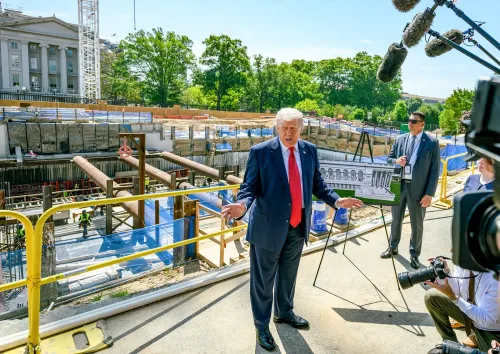
Beijing, April 24: China's Foreign Ministry on Friday, April 24, firmly rejected US President Donald Trump's suggestion that an Iranian cargo ship intercepted by American forces may have been carrying a 'gift from China'. The denial came during a regular press briefing in Beijing, escalating diplomatic tensions between Washington and Beijing over the vessel seized near the Strait of Hormuz.
China's Official Denial
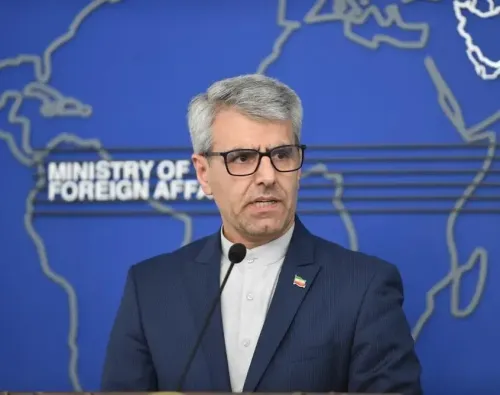
Chinese Foreign Ministry spokesperson Guo Jiakun categorically dismissed the claims, stating, "China rejects any assertion and speculation that lack factual evidence. Normal trade between countries should not be disrupted or harmed." The spokesperson's remarks underline Beijing's consistent position that its commercial dealings with Iran are lawful bilateral trade activities.
This marks the second time in less than a week that Guo Jiakun has been compelled to address the ship seizure publicly, signalling the growing diplomatic weight of the incident. Beijing's language — measured yet firm — reflects its broader strategy of pushing back against what it views as US overreach in international maritime corridors.
What Trump Said That Sparked the Row
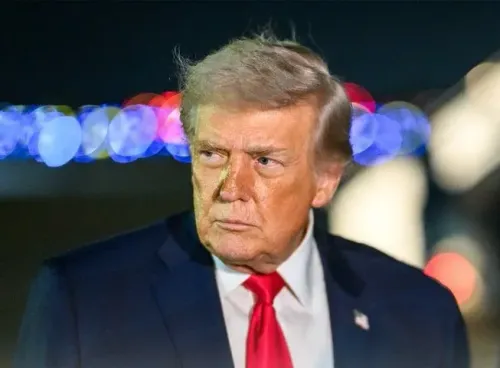
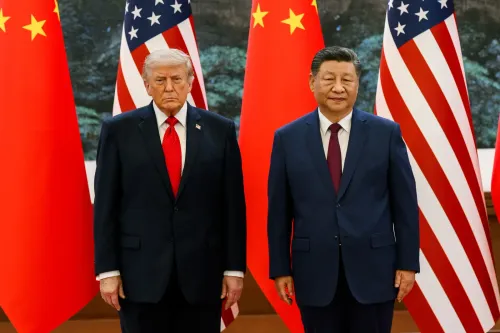
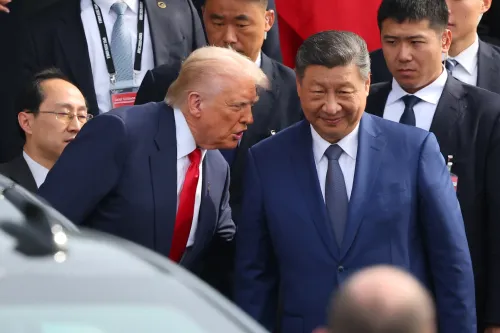
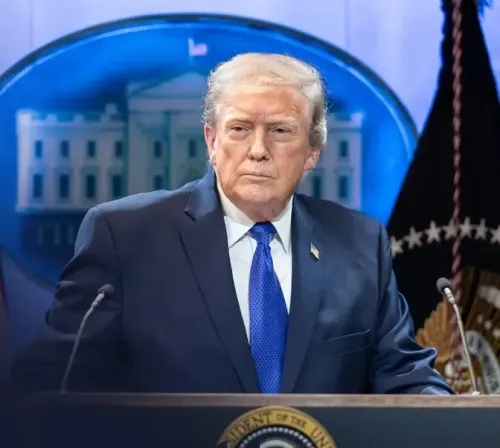
The controversy began when President Trump, during a CNBC interview on Tuesday, April 22, revealed that US forces had intercepted a ship the previous day carrying items he described as "not very nice." Trump said, "A gift from China perhaps, I don't know, but I was a little surprised — because I have a very good relationship and I thought I had an understanding with President Xi."
Trump's remarks were notable for their informal tone, simultaneously accusing China of complicity while suggesting his personal rapport with Chinese President Xi Jinping had led him to expect better. The comment sent ripples through diplomatic circles, as it implied a potential breach of an informal understanding between the two leaders amid ongoing US-China trade tensions.
Nikki Haley's Explosive Allegation
Adding further fuel to the controversy, former South Carolina Governor Nikki Haley posted on X (formerly Twitter) on April 21, alleging that the vessel "was headed from China to Iran and is linked to chemical shipments for missiles." She wrote, "It refused repeated orders to stop. Another reminder that China is helping prop up Iran's regime — a reality that can't be ignored."
Haley's assertion directly connects the seized ship to Iran's ballistic missile programme — a claim that, if verified, would represent a significant violation of international sanctions. However, neither the US government nor independent agencies have publicly released cargo manifests or verified the nature of the seized materials as of the time of reporting.
China's Earlier Concern Over the Seizure
On April 20, before Trump's interview, Guo Jiakun had already voiced concern over the US forcibly intercepting the vessel, describing the situation in the Strait of Hormuz as "complex and fragile." He urged all parties to "honor the ceasefire agreement in a responsible manner, avoid aggravating disputes and escalating tensions, and provide necessary conditions for the restoration of normal passage through the Strait."
The Strait of Hormuz is a narrow but strategically critical maritime corridor linking the Persian Gulf to the Arabian Sea. Approximately one-fifth of global oil trade passes through this chokepoint, making any disruption here a matter of global economic concern.
Geopolitical Stakes and Broader Implications
This incident sits at the intersection of three of the world's most volatile geopolitical fault lines: US-China rivalry, the Iran nuclear standoff, and the ongoing West Asia conflict. China has long maintained that it engages in legitimate trade with Iran, even as Western nations accuse Beijing of enabling Tehran's military ambitions through dual-use chemical and technological exports.
Notably, US sanctions on Iran have been in place for decades, and Washington has repeatedly accused China of circumventing these restrictions through third-party trade routes. The seizure of this vessel — if it does contain missile-related chemicals — could provide Washington with rare physical evidence to press its case at the United Nations Security Council or in bilateral negotiations with Beijing.
For India, which relies heavily on the Strait of Hormuz for energy imports and maintains strategic relationships with both Iran and the United States, any escalation in the region carries direct economic and diplomatic consequences. Rising tensions in the strait could push global oil prices higher, impacting India's import bill and domestic fuel costs.
As the US-China trade war continues and diplomatic back-channels remain strained, the seized Iranian ship has become a microcosm of a far larger confrontation. Analysts expect Washington to use this episode as leverage in upcoming negotiations, while Beijing is likely to continue denying involvement and framing the incident as American interference in free maritime trade. All eyes now turn to whether the US Navy will release detailed cargo findings — a disclosure that could fundamentally reshape the diplomatic calculus.
Point of View
Not a formal statement — reveals how personalised and transactional US foreign policy has become under his administration. But beneath the informality lies a serious accusation: that China is actively enabling Iran's missile programme, potentially in violation of international sanctions. Beijing's denial is predictable, but the pattern is not — this is at least the third major incident in recent months where Chinese-origin goods have allegedly surfaced in sanctioned supply chains. The mainstream narrative focuses on the diplomatic spat; what it misses is that the real battleground is the global sanctions architecture itself, and whether Washington has the evidence — and the will — to defend it.
NationPress
19 Sept 2026
Frequently Asked Questions
Why did China reject Trump's claim about the Iranian ship?
China's Foreign Ministry rejected Trump's suggestion that the seized Iranian cargo ship carried a 'gift from China,' calling the assertion baseless speculation lacking factual evidence. Spokesperson Guo Jiakun stated that normal trade between nations should not be disrupted by unverified allegations.
What ship did the US intercept near the Strait of Hormuz?
The US intercepted an Iranian cargo ship near the Strait of Hormuz around April 20, 2025. Former Governor Nikki Haley alleged the vessel had travelled from China to Iran and was linked to chemical shipments associated with missile production.
What did Trump say about China and the seized Iranian ship?
During a CNBC interview on April 22, Trump said the intercepted ship carried items that were 'not very nice' and speculated it might be 'a gift from China.' He added he was surprised given his personal relationship with Chinese President Xi Jinping.
Why is the Strait of Hormuz strategically important?
The Strait of Hormuz is a narrow maritime corridor connecting the Persian Gulf to the Arabian Sea, through which approximately one-fifth of global oil trade passes. Any disruption there directly impacts global energy prices and supply chains, including India's oil imports.
What are the implications of China allegedly supplying Iran with missile chemicals?
If verified, Chinese-origin missile-related chemicals aboard the Iranian vessel would constitute a violation of international sanctions against Iran, potentially triggering new US sanctions on Chinese entities. It would also intensify pressure on Beijing at the UN Security Council and complicate ongoing US-China trade negotiations.