How has Cyclone Gezani affected Madagascar with a rising death toll?
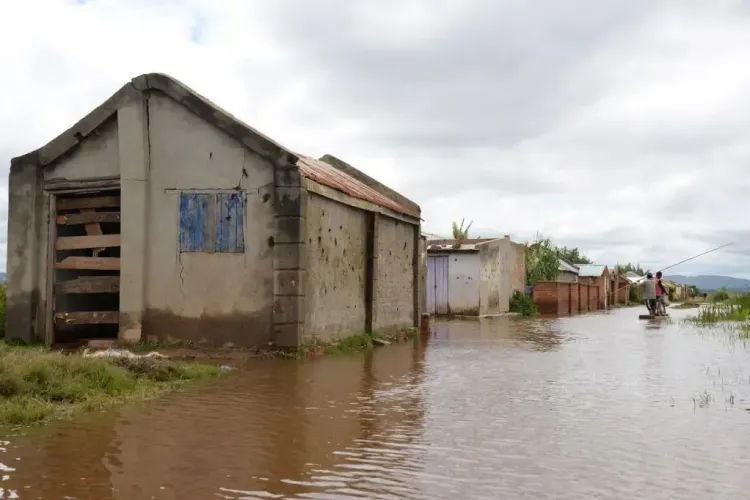
Synopsis
The devastation caused by Cyclone Gezani in Madagascar has resulted in a rising death toll and widespread destruction. As the government seeks international aid, the impact on thousands of lives raises urgent concerns. Discover the ongoing relief efforts and the extent of the damage inflicted by this catastrophic weather event.
Key Takeaways
59 fatalities reported due to Cyclone Gezani.
Over 804 individuals injured.
More than 420,000 people affected across 25 districts .
Government declared a state of national disaster .
UN allocates three million US dollars for aid.
Antananarivo, Feb 16 (NationPress) The casualty count from Cyclone Gezani in Madagascar has escalated to 59, with 804 individuals reported injured, as per a recent update from the National Office for Risk and Disaster Management (BNGRC) released on Monday.
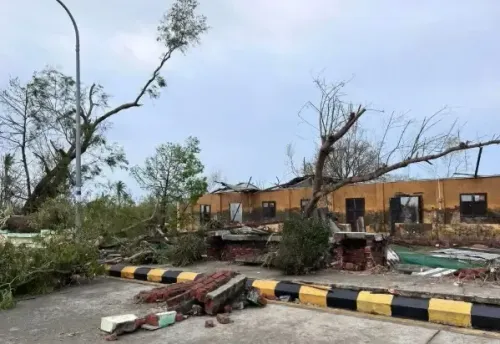
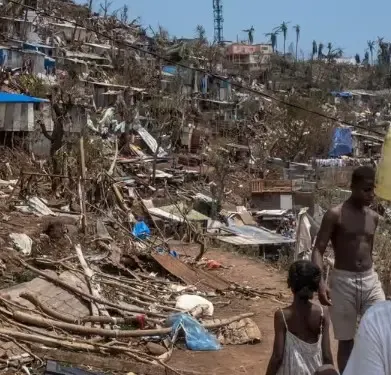
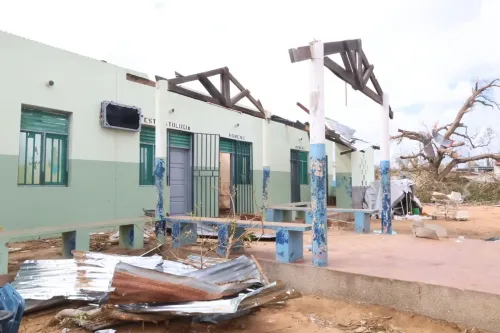
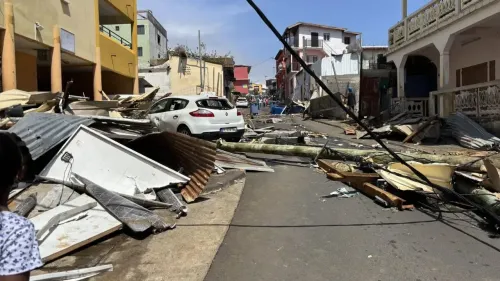
The BNGRC indicated that over 420,000 people have been impacted across 25 districts in five regions of eastern and central Madagascar. The cyclone has caused damage to more than 49,000 houses and resulted in the destruction of over 25,000 homes.
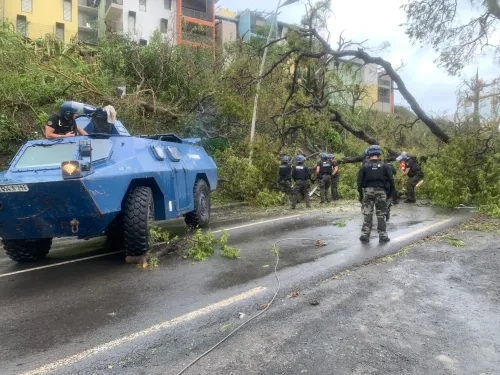
Authorities are actively assessing the damage and conducting relief operations in the affected regions, with ongoing assistance being provided to those impacted.
The Malagasy government declared a state of national disaster on February 11 in reaction to the extensive destruction caused by Cyclone Gezani.
The storm has caused significant harm to infrastructure, homes, and livelihoods, leading to severe flooding and considerable economic losses.
The government’s decree highlighted the tragic loss of life and the disruption to communities as critical factors. It also noted that Cyclone Gezani has severely impacted multiple regions in Madagascar, worsening an already critical situation following Cyclone Fytia and ongoing heavy rainfall.
Last Thursday, the United Nations (UN) announced the allocation of three million US dollars for emergency aid to Madagascar in the aftermath of the destructive Tropical Cyclone Gezani.
The UN Office for the Coordination of Humanitarian Affairs (OCHA) stated that this allocation from the Central Emergency Response Fund will benefit over 90,000 people. Additional contributions from other donors are facilitating the initiation of response efforts.
As the storm continues to impact eastern and central Madagascar, initial reports suggest that more than 250,000 individuals have been affected, with close to 7,000 people displaced.
Last week, OCHA reported that more than 65,000 homes have been flooded, damaged, or destroyed, and around 600 classrooms have become partially or completely unusable.
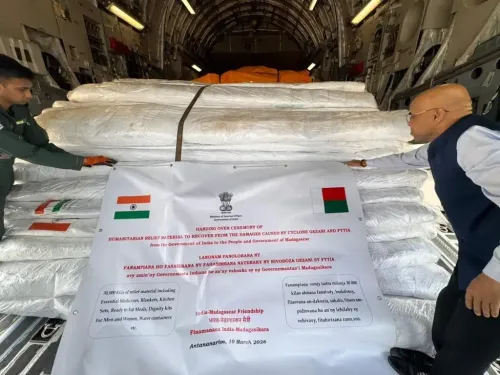
OCHA mentioned that the government has requested international assistance and is spearheading search-and-rescue, evacuation, shelter, and food aid efforts, which include the distribution of approximately 800 metric tonnes of rice, supported by the UN and its partners.
Point of View
I believe that reporting on natural disasters like Cyclone Gezani is crucial to raising awareness and mobilizing support. The situation in Madagascar highlights the vulnerability of communities to climate-related events and the need for global solidarity in times of crisis.
NationPress
19 Sept 2026
Frequently Asked Questions
What is the current death toll from Cyclone Gezani?
The death toll from Cyclone Gezani has risen to 59.
How many people have been affected by the cyclone?
More than 420,000 individuals have been affected across 25 districts.
What actions is the government taking?
The Malagasy government has declared a state of national disaster and is leading relief efforts.
What assistance is being provided to the affected people?
Emergency aid is being facilitated by the UN, with the allocation of three million US dollars.
How can I help the victims of Cyclone Gezani?
You can contribute by donating to organizations providing relief and support to those affected.